
Pin It

Pepperidge Farm Milano Cookies

Pepperidge Farm Milano Cookies
Jump to Recipe
Prep 20 min (plus 30 min cool) Cook 12 min Serves 24 sandwich cookies
Quick answer: Beat 1 stick (113g) softened unsalted butter with 1 cup sifted powdered sugar until light and fluffy, about 3 minutes. Add 4 large egg whites one at a time, beating after each, then add 1 teaspoon vanilla. Fold in 1¼ cups all-purpose flour and ¼ teaspoon salt until just combined. Transfer the batter to a piping bag fitted with a ½-inch plain round tip (Wilton #12). Pipe 3-inch ovals onto parchment-lined baking sheets, spacing 2 inches apart. Bake at 350°F for 10–12 minutes until the edges are just barely golden. Cool completely. Make the ganache: pour 4 tablespoons hot heavy cream over 6 oz finely chopped bittersweet chocolate. Let sit 2 minutes, then stir smooth. Let the ganache cool until thick enough to pipe — about 20 minutes. Pipe a generous dab onto the flat side of one cookie, press a second cookie on top flat-side down, and refrigerate 10 minutes to set. The egg-white-only batter is the key: no yolks means a crisp, delicate snap instead of a chewy or cakey texture. A 6-pack of Milano double cookies runs about $5–6 at the grocery store; this recipe makes 24 pairs for about $6 in ingredients.

Shop the tools

Gear matched to this recipe. These are Amazon affiliate links — we may earn a small commission if you buy, at no extra cost to you.

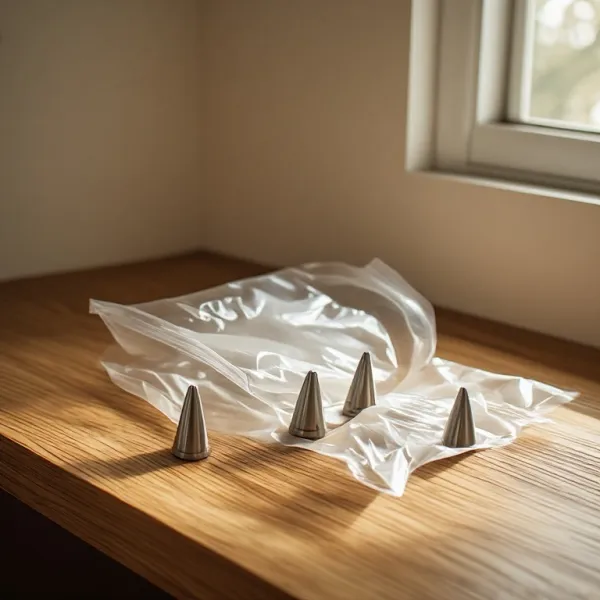
As an Amazon Associate, Copycat Spices earns from qualifying purchases. Product images are generic illustrations, not the exact item listed.

Pepperidge Farm Milano Cookies

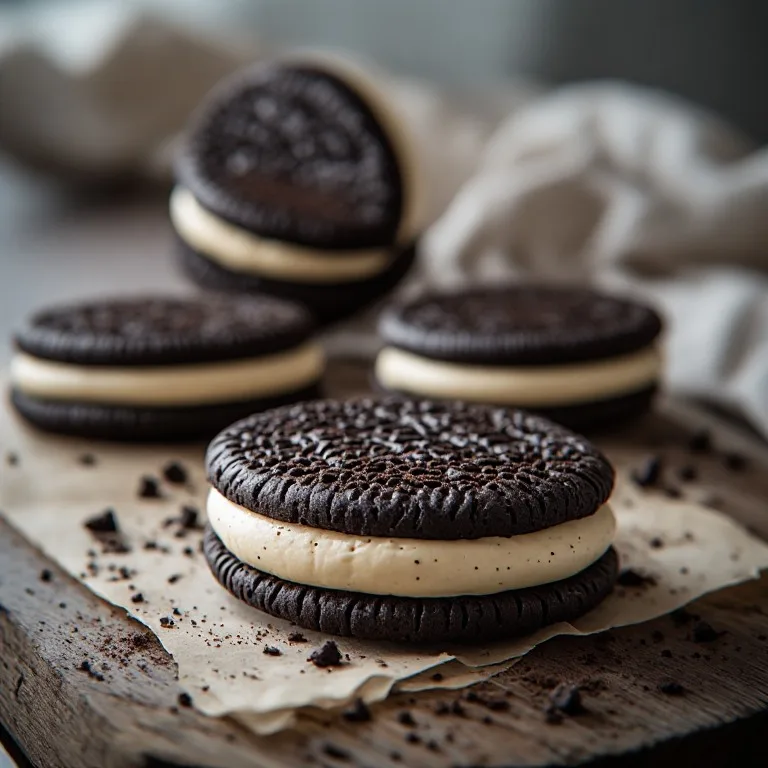
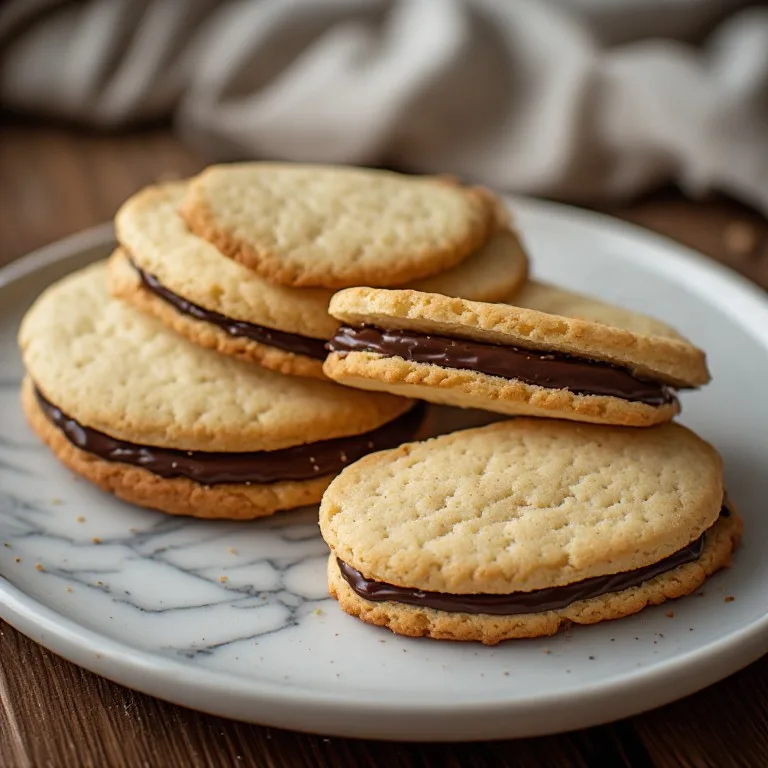
The copycat Pepperidge Farm Milano cookie — two thin, crispy oval butter cookies sandwiching a layer of dark chocolate ganache. The key is egg whites only (no yolks) for the signature crunch, and piping the dough into 3-inch ovals. Makes 24 sandwich pairs.

Medium Prep: 20 min (plus 30 min cool) Cook: 12 min Total: 32 min24 sandwich cookies servings ~$4.20/serving
Prep20 min (plus 30 min cool)
Cook12 min
Total32 min
Servings
24
At home~$4.20/serving
vs
Restaurant~$18.90/serving
You save ~78%

The Story Behind the Recipe

Pepperidge Farm was founded in 1937 by Margaret Rudkin at her family's estate in Fairfield, Connecticut — named for the pepperidge tree, a native species of tupelo, that grew on the property. Rudkin started baking stone-ground whole-wheat bread for her son's allergy and sold the excess loaves at the local store; within a year, she was shipping to New York City. The company grew steadily through the 1940s and 1950s, and Campbell Soup acquired it in 1961 for about $28 million. The European-inspired cookie collection launched in the mid-1950s, with each variety named for a city: Bordeaux, Geneva, Brussels, Naples, and Milano among them.

The Milano has a well-known origin story. Its predecessor was a cookie called Naples — a single oval butter wafer with chocolate piped on one flat side. As the widely repeated account goes, the sandwich was born in warm-weather shipping: Naples cookies packed together would soften and the chocolate would fuse two wafers into one, so Pepperidge Farm leaned into it, began making them as sandwiches on purpose, and renamed the cookie for Milan. Pepperidge Farm has never published a definitive company history of the change, so treat it as lore rather than documented fact — but the lineage from the still-related Naples wafer to the Milano sandwich is real. What makes Milanos distinct from most home-baked cookies is the formula: the dough uses egg whites rather than whole eggs, which removes the fat and emulsifier in the yolk. That means a thinner, crisper snap rather than a chewy or cakey bite. The chocolate filling is a simple dark ganache — not milk chocolate, not frosting — which gives each sandwich its clean, restrained richness. A 6-pack of Milanos retails for about $5–6. Making them at home costs roughly $6 for three times as many cookies, and the ganache can be made with any good bittersweet chocolate you prefer.

Nutrition Facts

Per serving (24 sandwich cookies servings)
Calories130
Total Fat8g
Total Carbs14g
Dietary Fiber1g
Sugars9g
Protein2g
Sodium35mg

* Estimated values based on standard recipe preparation. Actual values may vary.

Ingredients

  • For the Milano cookie wafers
  • For the dark chocolate ganache filling

Instructions

💡
Pro tip: This recipe tastes even better the next day. The flavors need time to meld together in the fridge.
❄️
Storage: Keeps in an airtight container in the fridge for up to 2 weeks. Freezer-friendly for up to 3 months.
🎃 Free Halloween cookbook — download now The Copycat Halloween Cookbook A ready-made, photo-illustrated PDF of our best halloween copycat recipes — free to download, no building required. Pay what you want to support if you love it.

Free PDF — instant download. We'll also send new seasonal copycat recipes now and then; unsubscribe anytime. Or just download it →

Pepperidge Farm Milano Cookies

Prep time: 20 min (plus 30 min cooling) Cook time: 12 min Makes: 24 sandwich cookies

Pepperidge Farm was founded in 1937 by Margaret Rudkin on her family’s Connecticut estate, named for the pepperidge tree — a native tupelo — on the property. Rudkin started by baking bread for a son with food allergies, sold the surplus to a local store, and within two years was shipping to grocers in New York City. Campbell Soup Company acquired Pepperidge Farm in 1961. The European-inspired cookie collection had been selling since the mid-1950s, each variety named for a city: Bordeaux, Geneva, Brussels, Naples, and Milano.

The Milano began as a cookie called Naples — a single oval butter wafer with a stripe of chocolate on one flat side. The most-repeated story is that the sandwich was a happy accident: in warm weather, Naples cookies shipped stacked together would soften and the chocolate would glue two wafers into a pair, and that pairing turned out to be the better product. Pepperidge Farm has never confirmed a precise account, so this is best treated as lore — but the Milano did grow out of the Naples wafer, and Pepperidge Farm began making the sandwich version intentionally and named it for Milan.

The Recipe Is Two Things: A Crisp Wafer and a Dark Ganache

Milanos are not complicated. What they require is a specific formula and technique for the wafer.

Why Egg Whites Only

Most butter cookies use whole eggs. Milanos use only the whites. The difference is in the yolk: egg yolk is fat and emulsifier, and fat makes baked goods soft and tender. For a cookie that is supposed to have a clean, dry snap rather than a chewy bite, you want structure without added fat — and that is exactly what egg whites provide. If you substitute whole eggs, the wafers will be paler, softer, and slightly domed rather than flat. Use egg whites. Save the yolks for custard, curd, or pasta.

The Chocolate Filling Is a Ganache, Not a Frosting

Pepperidge Farm’s filling is dark chocolate — not milk chocolate, not a sugar-and-shortening frosting. The ganache is heavy cream poured over finely chopped bittersweet chocolate, stirred smooth after a two-minute rest. That’s it. The simplicity is what keeps the flavor clean. The ratio here (4 tablespoons cream to 6 ounces chocolate) produces a ganache that sets firm enough to hold the sandwich at room temperature without running, but stays creamy when you bite through it. Use a good bittersweet bar — Ghirardelli, Lindt, or Callebaut all work well.

The Piping Technique

The oval shape is not decorative; it determines the cookie’s thickness and how it bakes. An oval piped 3 inches long and about ¾ inch wide will bake into a thin, flat, crisped wafer. A round blob piped like a doughnut drop will puff in the center and bake unevenly.

You do not need a professional piping setup. A zip-top bag with a ½-inch corner snipped produces workable ovals. Pipe each one at a 45-degree angle in a single fluid forward motion without stopping and starting mid-stroke. The batter should be thick enough that it holds the oval shape for 30 seconds after piping before starting to relax.

If the batter is running immediately after piping, it is too warm — refrigerate the filled bag for 15 minutes and try again.

Peppermint Milano Variation

Pepperidge Farm sells a seasonal Peppermint Milano from fall through early January. To replicate it: add ½ teaspoon of pure peppermint extract to the finished ganache (stir it in after the ganache is smooth), and press a pinch of finely crushed candy cane into the top edge of each assembled sandwich before refrigerating. Peppermint oil can replace peppermint extract at half the quantity (start with ¼ teaspoon and taste); it is more concentrated and stays potent after mixing.

Cost Comparison: Home vs. Store
Pepperidge Farm (store)Homemade
Quantity6 sandwich cookies24 sandwich cookies
Price~$5.50–6.00~$6–8 in ingredients
Per cookie~$0.92–1.00~$0.28–0.33
Savings—~65–70% per cookie

The main cost variable is the chocolate. A 4-oz Ghirardelli 60% baking bar costs about $3.50; this recipe needs 6 oz (1.5 bars). Using a mid-tier bittersweet bar keeps total ingredient cost under $8 for three times the cookies at any store price.

Storage

Assembled cookies keep at room temperature in an airtight container (parchment between layers) for 3–4 days. Refrigerated, they keep up to 10 days; cold storage firms the ganache, which some prefer. To freeze: set assembled sandwiches on a baking sheet, freeze until the ganache is solid (about 1 hour), then transfer to a zip-top bag with parchment between layers. They keep frozen up to 2 months and thaw at room temperature in about 20 minutes.

More Holiday Cookies and Chocolate
🥗

Make It Healthier

Love Pepperidge Farm Milano Cookies but want a lighter version? Try these simple swaps:

  • ✓Reduce the powdered sugar to ¾ cup — the cookies are already not very sweet (the flavor comes from the dark chocolate), and the smaller sugar amount still produces a properly crisp cookie.
  • ✓Use 70% cacao chocolate for the ganache instead of 60%; the higher cacao content means more antioxidants and less sugar per serving, with a noticeably more complex, less candy-sweet flavor.
  • ✓The recipe makes 24 sandwiches — package them in groups of 4 rather than leaving the full batch accessible. Portioned packaging has a meaningful effect on how many you eat in a sitting.
  • ✓To reduce saturated fat slightly, substitute 2 tablespoons of the butter in the ganache with coconut cream. The ganache will be slightly less smooth but will set firmer at room temperature.

Frequently Asked Questions

Why do Milano cookies use egg whites instead of whole eggs?

The fat in egg yolks makes baked goods tender and chewy — great for chewy cookies, wrong for Milanos. Milanos are supposed to be crisp and delicate, with a clean snap rather than a soft bite. Egg whites provide protein structure without added fat, which means the thin cookies hold their shape, bake up dry and crackery, and stay crisp even after sandwiching with the chocolate. If you substitute whole eggs, the cookies will come out paler, softer, and slightly domed rather than flat — acceptable but noticeably different from the original. Stick with egg whites. Four large egg whites from room-temperature eggs beat in more smoothly than cold ones.

I don't have a piping bag. Can I use a zip-top bag or a spoon?

A zip-top bag with one corner snipped works fine — cut about a ½-inch opening for a tip that approximates the Wilton #12 size. For the most oval-shaped cookies, pipe a short sausage shape (rather than a dot) and let the batter settle into place. A small spoon works if you're patient: use a scant teaspoon of batter and spread it into a rough oval shape with the back of the spoon dipped in water. The baked cookies will be slightly less uniform in shape but will taste identical. The piping bag or zip-lock makes the 48 individual cookies much faster to place, so it's worth the minor setup.

Why did my cookies spread too much or not hold their oval shape?

Three common causes: (1) the butter was too soft or melted before you started, which makes the batter loose; the butter should hold an indent when pressed but not be shiny or greasy; (2) the baking sheet was still warm from a previous batch — always let sheets cool to room temperature before piping; (3) the flour was undermeasured (spoon into the measuring cup, level off — do not pack). If the batter feels very loose after mixing, refrigerate it 15–20 minutes before piping. The baked ovals should hold their shape and spread only slightly. They should not puff; they should flatten and develop a thin, lacy edge.

What chocolate should I use for the ganache?

The original Milano filling is dark chocolate — bittersweet (60–70% cacao) gives the cleanest, most authentic result. Semi-sweet (50–55% cacao) works and makes a slightly sweeter filling that some people prefer. Milk chocolate makes the filling taste more like a candy bar and less like the original, but it is a legitimate variation. Use chocolate you would eat straight — a 3–4 oz bar of Ghirardelli, Lindt, or Callebaut all work. Do not use chocolate chips for ganache; they contain stabilizers that prevent smooth melting. For the Peppermint Milano (a seasonal Pepperidge Farm flavor), add ½ teaspoon of pure peppermint extract to the ganache and press a single crushed candy cane into the top of each set sandwich.

How do I know when the ganache is the right consistency for piping?

Freshly made ganache is fluid — it would run off the cookie. Give it 20–30 minutes at room temperature to thicken, or speed things up with 10 minutes in the refrigerator. The right consistency is similar to thick peanut butter: it holds a shape when dropped from a spoon without flowing flat. If your kitchen is warm, the ganache may need more chilling time. If it becomes too firm to pipe, microwave it in 5-second bursts, stirring between each, until it loosens to the right consistency. You can also use a small offset spatula to spread the ganache rather than piping it.

Can I make the dough and ganache ahead of time?

Yes. The raw dough keeps in the refrigerator for up to 2 days (transfer to a piping bag to warm up slightly before piping) or frozen for up to 1 month (thaw in the refrigerator overnight). The ganache keeps refrigerated up to 1 week or frozen up to 2 months — rewarm gently over a bain-marie or in the microwave in short pulses, stirring until smooth, before using. Baked but unfilled cookie wafers keep at room temperature in an airtight container for up to 3 days. Complete assembled sandwiches keep at room temperature for 3–4 days or refrigerated for up to 10 days; cold storage firms up the ganache slightly, which some people prefer.

How do homemade Milanos compare to store-bought in cost?

A standard Pepperidge Farm Milano 6-pack (6 double cookies, 3 servings by Pepperidge Farm's count) retails for about $5–6 at most grocery stores, or about $0.83–1.00 per sandwich cookie. A 7-oz package with more cookies costs $5.50–7.00. This recipe makes 24 sandwich cookies for roughly $6–8 in ingredients (butter, powdered sugar, flour, 4 egg whites, 6 oz good chocolate, cream) — about $0.28–0.33 per sandwich cookie, or about one-third the store cost. The main expense is the chocolate; use a mid-tier bittersweet bar (Ghirardelli 60% baking bar is about $3.50 for 4 oz) rather than Callebaut couverture to keep costs down without sacrificing quality.

Love this recipe? Share it!

Free PDF: our 12 most-wanted copycat recipes — instant download.

Made it? Buy us a coffee

Every recipe here is free, with no paywalls. If this one was a hit at your table, a small tip keeps new copycats coming.

$

Pepperidge Farm is a trademark of its owner, used here only to describe the dish this recipe recreates. This is an independent copycat written in our own words — Copycat Spices is not affiliated with, endorsed by or sponsored by Pepperidge Farm.

Ratings & Reviews

—
No ratings yet

Rate this recipe

Click a star to rate

Leave a Review

0/500

CS

Copycat Spices Editorial

Researched + fact-checked. Every recipe on Copycat Spices is built from published sources — official ingredient lists, brand-published recipes, interviews and food-science references — and fact-checked before it goes live, then written as clear, step-by-step instructions for home cooks of all skill levels.

Learn more about our mission →