


Pin It

Viral TikTok Tinned Fish Pasta (15 Minutes, Any Tin Works)

Viral TikTok Tinned Fish Pasta (15 Minutes, Any Tin Works)
Jump to Recipe
Prep 5 min Cook 12 min Serves 2
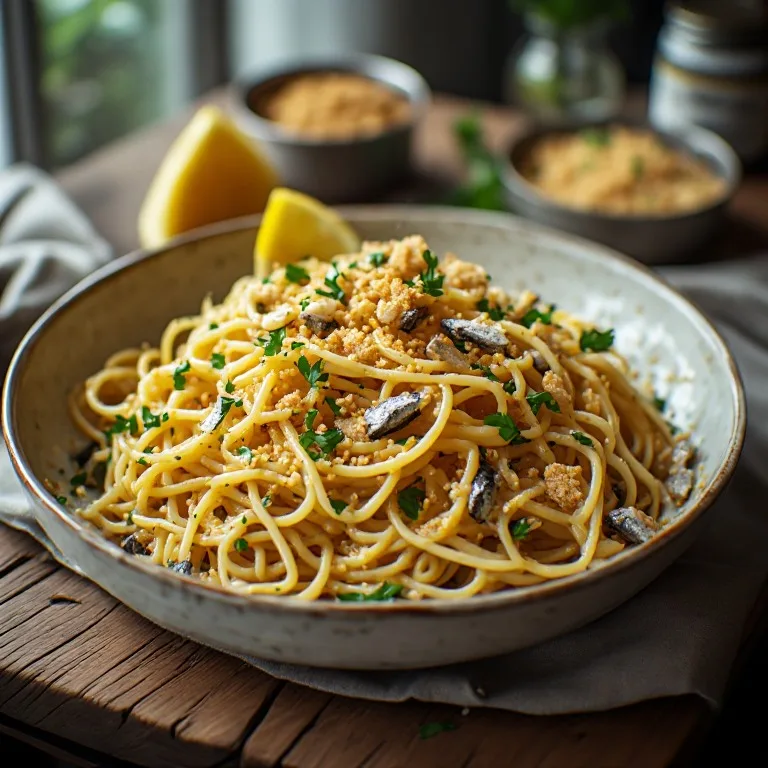
Quick answer: Viral TikTok tinned fish pasta is a 15-minute pantry pasta: bloom 4 cloves of sliced garlic in ¼ cup olive oil over low heat until golden (4–5 minutes), add 1 tin of fish (anchovies melt completely; sardines or smoked mackerel break into flakes), toss with cooked spaghetti or linguine, splash in ½ cup starchy pasta water to emulsify the oil into a glossy sauce, finish with lemon zest + juice, fresh parsley, and a shower of toasted panko. The pasta water is non-negotiable — it's the emulsifier that transforms a greasy oil coating into a sauce that clings. Total time: 15 minutes. The most important trick: don't rush the garlic. Pale-gold garlic at low heat is sweet and nutty; brown garlic at high heat is bitter.

Shop the tools

Gear matched to this recipe. These are Amazon affiliate links — we may earn a small commission if you buy, at no extra cost to you.

As an Amazon Associate, Copycat Spices earns from qualifying purchases. Product images are generic illustrations, not the exact item listed.

Viral TikTok Tinned Fish Pasta (15 Minutes, Any Tin Works)

The viral TikTok tinned fish pasta: garlic olive oil, your best tin of fish, pasta water to emulsify, toasted panko on top. 15 minutes, zero special ingredients, and anchovy-haters will ask for seconds.

Easy Prep: 5 min Cook: 12 min Total: 17 min2 servings ~$3.85/serving
Prep5 min
Cook12 min
Total17 min
Servings
2
At home~$3.85/serving
vs
Restaurant~$17.32/serving
You save ~78%

The Story Behind the Recipe

The viral TikTok tinned fish pasta: garlic olive oil, your best tin of fish, pasta water to emulsify, toasted panko on top. 15 minutes, zero special ingredients, and anchovy-haters will ask for seconds.

Nutrition Facts

Per serving (2 servings)
Calories580
Total Fat22g
Total Carbs68g
Dietary Fiber3g
Sugars2g
Protein24g
Sodium920mg

* Estimated values based on standard recipe preparation. Actual values may vary.

Ingredients

Instructions

💡
Pro tip: This recipe tastes even better the next day. The flavors need time to meld together in the fridge.
❄️
Storage: Keeps in an airtight container in the fridge for up to 2 weeks. Freezer-friendly for up to 3 months.
🎃 Free Halloween cookbook — download now The Copycat Halloween Cookbook A ready-made, photo-illustrated PDF of our best halloween copycat recipes — free to download, no building required. Pay what you want to support if you love it.

Free PDF — instant download. We'll also send new seasonal copycat recipes now and then; unsubscribe anytime. Or just download it →

Viral TikTok Tinned Fish Pasta — The 15-Minute Pantry Pasta Everyone’s Making

You’ve had a can of anchovies in your cabinet for two years. You’ve skipped past sardines at the grocery store. You own a can of fancy Fishwife smoked mackerel someone brought to a party and it’s been sitting on your counter ever since.

TikTok’s tinned fish pasta trend is the reason to finally open it.

This is a 15-minute pasta built entirely from pantry staples — a technique-driven dish where the tin of fish is less of an ingredient and more of a sauce base. The TikTok versions (driven largely by Fishwife’s beautifully packaged smoked salmon and trout) made the dish visual enough to go viral, but the underlying recipe is a centuries-old Italian technique: bloom garlic slowly in olive oil, melt the fish into that oil, emulsify with pasta water, finish with lemon and herbs.

The result tastes nothing like “canned fish pasta.” It tastes like something you’d order at a good Italian restaurant and wonder how they made it so good.

The Technique That Makes This Work

Most bad tinned fish pasta is just pasta with fish dumped on top. The sauce never integrates. The fish sits in clumps. The oil coats without clinging.

The TikTok version does two things differently:

1. Low and slow garlic. Sliced garlic in cold olive oil, heat turned to low, 4–5 minutes until pale gold. Not brown. Brown garlic has released its sugars into bitter compounds you can’t reverse. Low-heat garlic releases sweetness and pungency without bitterness — it’s the difference between an Italian-grandmother-quality sauce and a harsh one.

2. Pasta water emulsification. A ½ cup of starchy pasta water added to the oil and garlic and stirred vigorously creates an emulsion — oil and water bound together by dissolved starch. This is the same principle behind cacio e pepe and carbonara. Without it, you have oily pasta. With it, you have a glossy, clingy sauce that coats every strand uniformly. Reserve the water before you drain the pasta. This is the one non-negotiable step.

Which Tin to Use

Anchovies (oil-packed, Italian or Spanish): The most powerful flavor payoff from the smallest tin. They dissolve completely — the fish disappears, the umami doesn’t. Best for anchovy skeptics because by the time you eat it, there’s no anchovy texture anywhere, just depth.

Sardines: The chunkiest, meatiest option. Use oil-packed (not mustard or tomato sauce). They flake into pieces and hold their presence in the dish — this is a “sardine pasta” in the way carbonara is a “bacon pasta.” Lemon and olives are natural partners.

Smoked mackerel: The Fishwife-era TikTok standard. Rich, slightly smoky, breaks into substantial flakes. Best paired with capers, lemon, and toasted panko.

Smoked salmon: The most luxurious option. Do not heat it. Fold it in off heat at the very end — 30 seconds of residual warmth is all it needs to soften and integrate.

Oil-packed tuna: The most familiar. Less dramatic than anchovies but more accessible. Look for Italian tuna packed in olive oil (Genova Yellowfin or Ortiz are widely available), not water-packed grocery store tuna.

On the Panko

The toasted breadcrumb topping (pan grattato in Italian — “poor man’s Parmesan”) is more than a garnish. This pasta has no textural contrast otherwise — everything is tender and silky. The crunch is what makes the dish feel complete. Three tablespoons of panko, a dry skillet, constant stirring, two minutes. Set them aside before you start the sauce. They stay crispy for about an hour, so make them first.

Skip the Parmesan here. The combination of oily fish and aged cheese produces a flavor that works against both — the fish tastes fishier, the cheese tastes richer in a way that closes off the dish. The panko solves the texture problem cheese usually solves, with lemon doing the work of brightening that cheese normally does.

More Viral Pantry Pastas

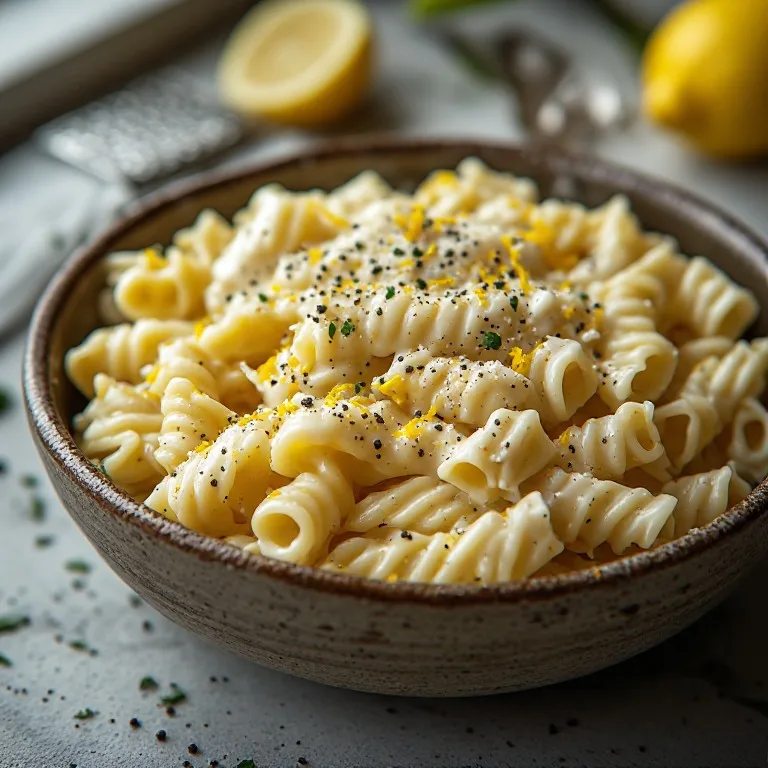
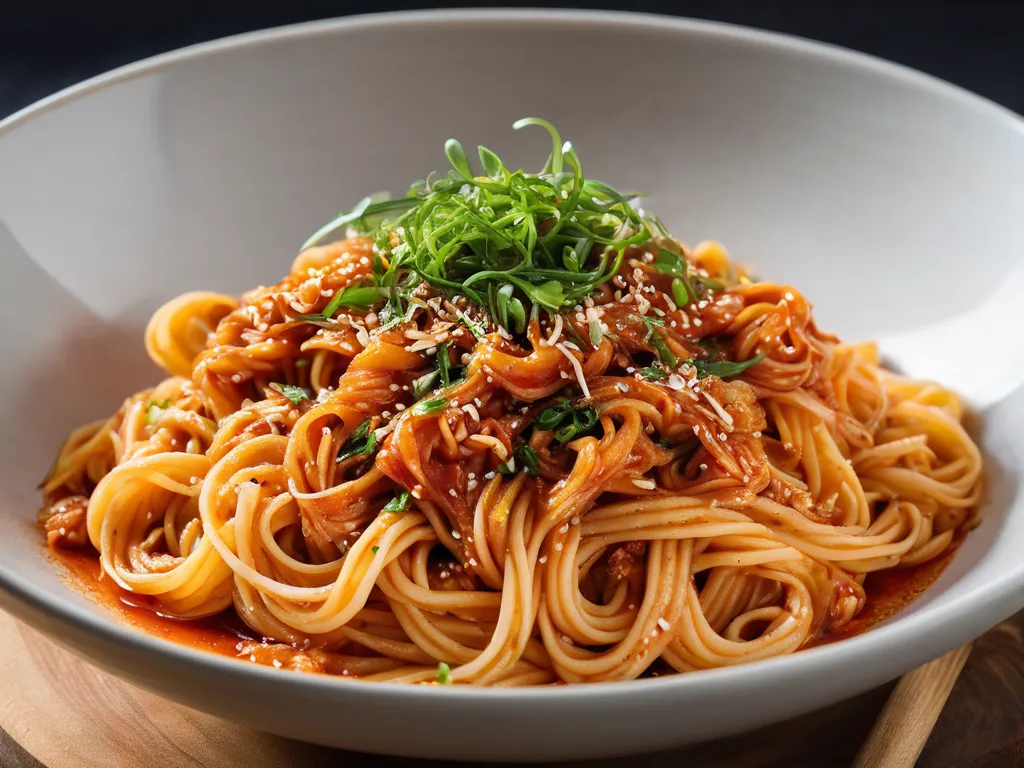
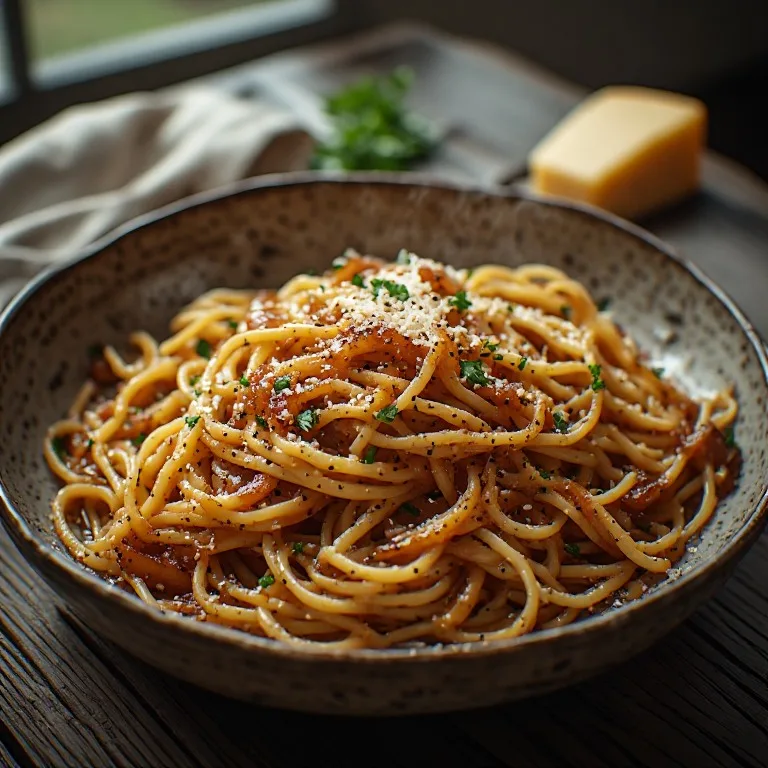
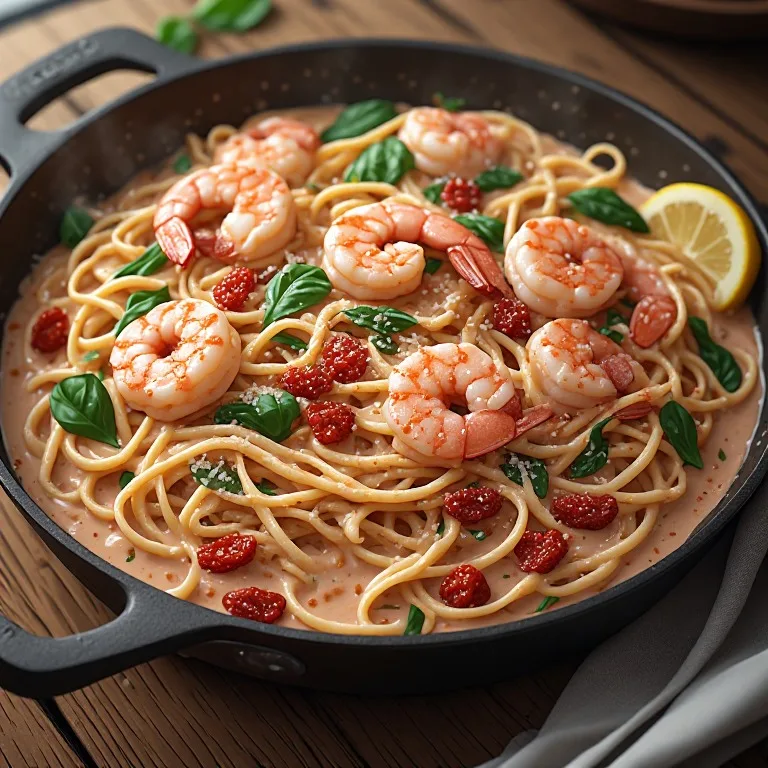
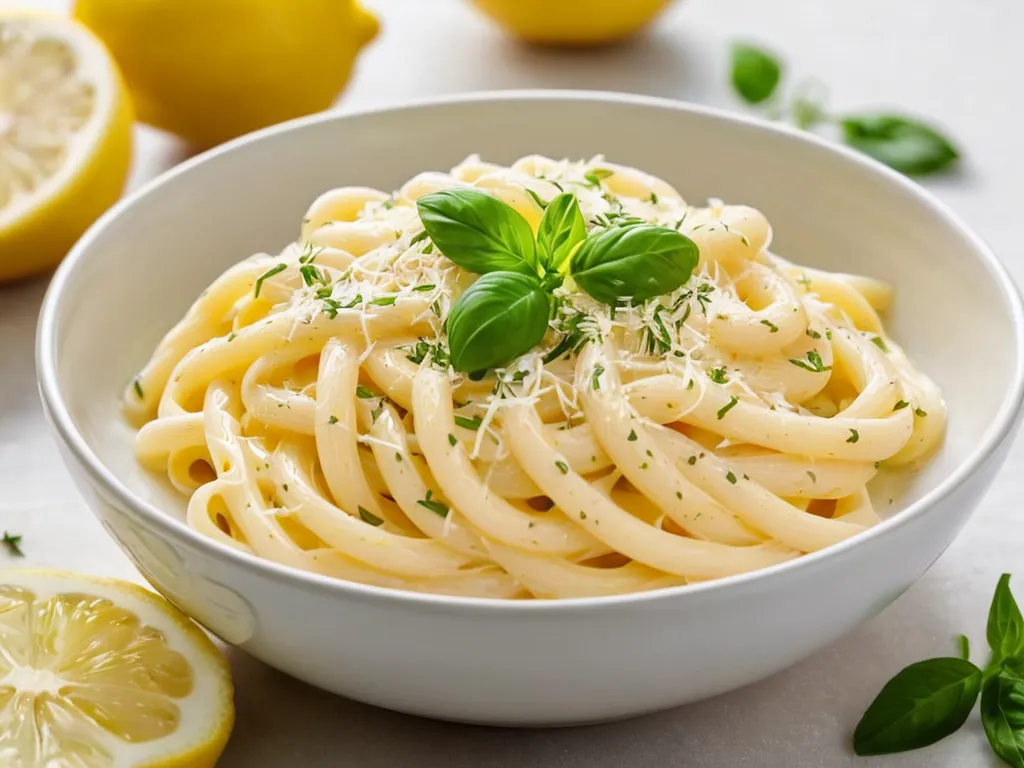
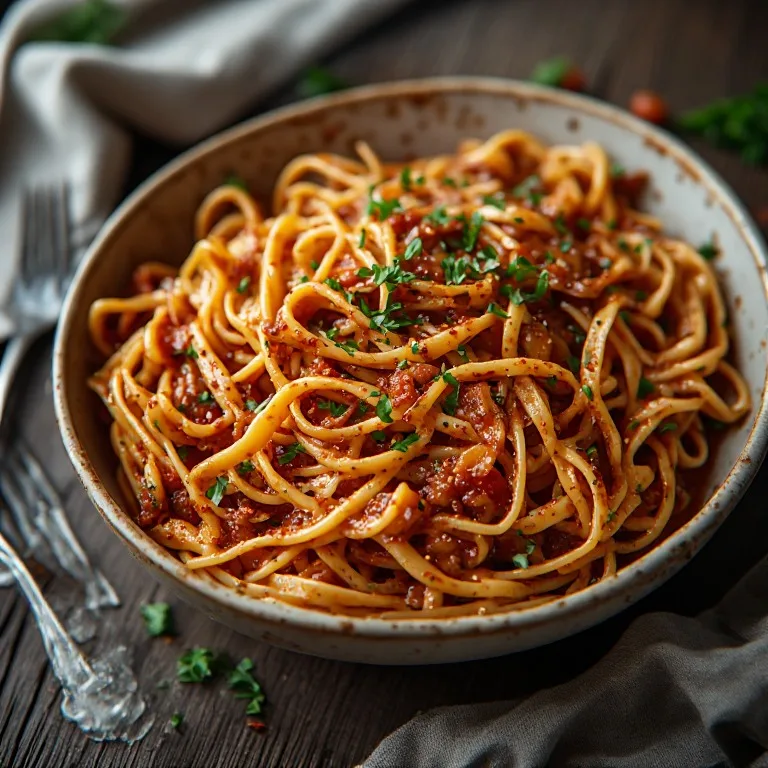
Once you’ve got the pasta-water emulsification down, it powers a whole category of 15-minute dinners. The same starchy-water trick turns garlic oil into sauce in creamy lemon pasta, does the heavy lifting in ultra-silky ricotta pasta, and rescues the low-and-slow onions in caramelized shallot pasta. For a bolder, spicier direction, gochujang pasta uses the exact same emulsify-with-pasta-water finish over a Korean chili base.
🥗

Make It Healthier

Love Viral TikTok Tinned Fish Pasta (15 Minutes, Any Tin Works) but want a lighter version? Try these simple swaps:

  • ✓Use whole wheat spaghetti to add 4–5g fiber per serving without changing the technique.
  • ✓Reduce oil to 3 tablespoons and compensate with an extra ¼ cup pasta water — the emulsification still works with slightly less fat.
  • ✓Add a large handful of arugula or fresh spinach off heat for greens that wilt softly in the residual heat without overcooking.
  • ✓Swap pasta for chickpea pasta if you need higher protein — it absorbs the sauce a little faster, so keep extra pasta water handy.

Frequently Asked Questions

Won't my kitchen smell like fish for days if I cook anchovies?

No — and this is the most common reason people avoid tinned fish pasta. Anchovies cooked in olive oil over low-medium heat melt completely into the oil within 2–3 minutes of contact. They dissolve, not sizzle or fry. What you're left with is an oil saturated with deep umami, a hint of salt, and almost none of the sharp fishiness from the tin. The fishy smell peaks for about 30 seconds when the anchovies first hit the pan, then fades as they break down. Your kitchen won't smell like a fishing boat; it will smell like a really good Italian restaurant. The volatile compounds responsible for that aggressive anchovy smell — primarily trimethylamine — are driven off by heat. If you open an anchovy tin over your stove and it smells strong, that's the concentrated brine, not what the finished dish will taste like.

Which tinned fish works best in pasta?

Each tin produces a different dish. Anchovies (oil-packed, Italian): completely dissolve, create invisible umami depth — the fish disappears but the flavor doesn't. Best for purists who want it to taste Italian without a strong fish presence. Sardines (oil-packed): firm enough to flake into chunks, slightly meatier, the fish stays present in the bite. Lemon and tomato are natural partners. Smoked mackerel (skin-on, boneless): the TikTok-viral Fishwife style — rich, smoky, slightly fatty, pairs with capers and lemon. Smoked salmon: luxurious, no heat needed (fold in at the very end, off heat). Olive oil tuna: flakes loosely, absorbs garlic oil well, the most approachable for people new to tinned fish pasta. Avoid water-packed tuna — the water releases into the sauce and dilutes the flavor; you need the fat from oil-packed fish to carry the emulsification.

What pasta shape is best for tinned fish pasta?

Long pasta (spaghetti, linguine, bucatini) is the traditional choice for aglio e olio style tinned fish — the oily sauce coats every strand and the twirlability is part of the experience. Bucatini, with its hollow center, carries slightly more sauce per bite. For chunky fish like sardines or smoked mackerel, rigatoni or mezzi rigatoni work better — the ridges and tubes catch the flakes and the bigger shape can handle the bolder flavor. Either way, cook pasta to al dente (1 minute less than package says) since it finishes cooking in the sauce.

Why is pasta water so important here — can I just use regular water?

Pasta water contains dissolved starch from cooking the pasta. That starch acts as an emulsifier: when you add it to the garlic oil and toss vigorously, the starch molecules bind to both the fat and the water, creating a glossy sauce that coats the pasta uniformly instead of pooling at the bottom. Regular tap water won't emulsify — it stays as separate water droplets sitting in oil. You can actually feel the difference: pasta dressed with starchy water has that restaurant-quality sheen and cling; pasta dressed with plain water is wet and slippery. Reserve at least 1 cup before you drain — you'll use ½ cup for the sauce and have extra if the pasta absorbs it too fast.

How do I make crispy panko topping — and do I have to use it?

The toasted panko is technically optional, but it's the textural contrast that makes this dish feel finished rather than thrown-together. Add 3 tablespoons of panko breadcrumbs to a dry skillet over medium heat. Stir constantly for 2–3 minutes until deeply golden and fragrant — they burn fast, so watch carefully. Off heat, toss with 1 teaspoon olive oil, a small pinch of salt, and optional lemon zest. Use them within the hour; they lose crunch quickly. Alternatives: crushed crackers (Ritz give a butter note), crushed croutons, or toasted regular breadcrumbs. In a pinch, the dish is still excellent without any crunch. In Italy, toasted breadcrumbs on pasta (pan grattato) are the 'poor man's Parmesan' — and they work better than cheese here because cheese plus oil-packed fish can clash.

Can I make this with water-packed tuna from a regular can?

You can, but the result will be significantly less flavorful. Water-packed tuna releases its water into the pan, diluting the garlic oil and preventing proper emulsification. The flavor is blander because the oil in oil-packed fish carries fat-soluble flavor compounds that water can't. If water-packed is all you have: drain it very thoroughly, pressing with a fork; add an extra tablespoon of olive oil to compensate; and increase garlic and red pepper flakes slightly. You'll get a decent dish — just not the depth that oil-packed delivers. For future reference, a $4 can of oil-packed Italian tuna from a grocery store import section is a game-changer.

Do I add Parmesan to tinned fish pasta?

It depends on the fish. Classic Italian cooking actually discourages cheese with fish (the flavors clash), and for anchovy-based pasta that rule holds — the anchovy oil sauce doesn't need or benefit from Parmesan. For smoked mackerel or sardine versions, a small amount of grated Pecorino (more pungent than Parmesan, stands up to strong fish) or no cheese at all works best. The one exception: if you're using a very mild fish like flaked olive oil tuna in a light tomato sauce, a little Parmesan rounds it out. The toasted panko topping solves the texture problem that cheese usually solves without the flavor clash.

How is this different from regular pasta with canned tuna?

The technique is completely different. Regular canned tuna pasta often means dumping drained tuna into jarred marinara or a quick tomato sauce — the tuna sits on top of the sauce flavor rather than integrating into it. The tinned fish pasta technique builds the sauce from scratch in the rendered fish fat and olive oil, blooms garlic slowly in that fat, and emulsifies everything with pasta water. The result is a sauce where you can't separate the fish from the base — it's one unified flavor. The quality of the tin matters enormously here (Fishwife, Matiz, Ortiz, La Sirena are common TikTok recommendations); premium tinned fish in good olive oil brings different flavor depth than grocery store water-packed tuna.

Love this recipe? Share it!

Free PDF: our 12 most-wanted copycat recipes — instant download.

Made it? Buy us a coffee

Every recipe here is free, with no paywalls. If this one was a hit at your table, a small tip keeps new copycats coming.

$

Ratings & Reviews

—
No ratings yet

Rate this recipe

Click a star to rate

Leave a Review

0/500

CS

Copycat Spices Editorial

Researched + fact-checked. Every recipe on Copycat Spices is built from published sources — official ingredient lists, brand-published recipes, interviews and food-science references — and fact-checked before it goes live, then written as clear, step-by-step instructions for home cooks of all skill levels.

Learn more about our mission →