

Pin It

Benihana Hibachi Noodles (Yakisoba)

Benihana Hibachi Noodles (Yakisoba)
Jump to Recipe
Prep 10 min Cook 10 min Serves 4
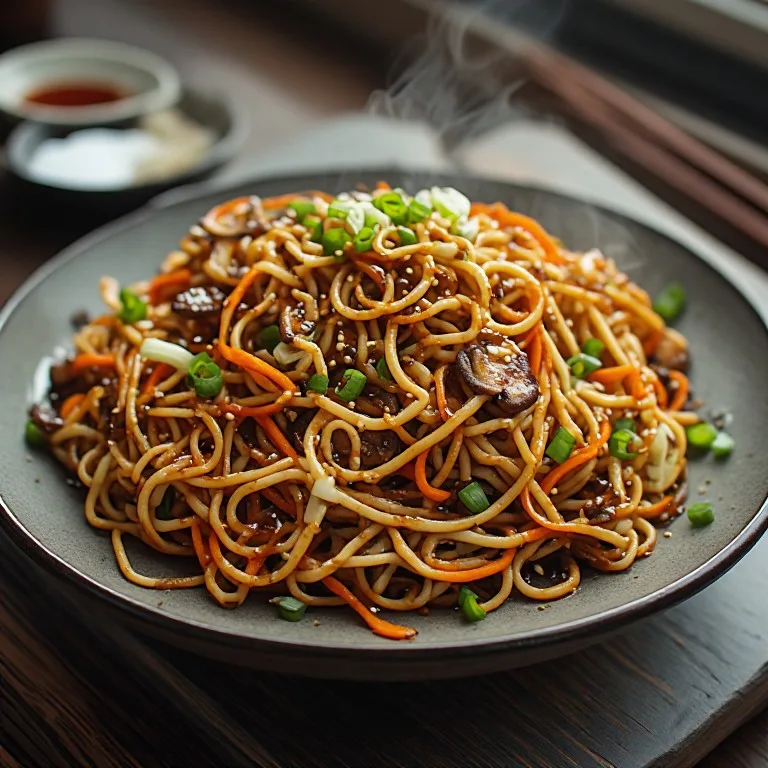
Quick answer: Benihana hibachi noodles are pre-packaged yakisoba noodles stir-fried on screaming-hot cast iron with Benihana's signature garlic butter (butter + minced garlic + Kikkoman soy sauce), a splash of yakisoba sauce, sliced cabbage, carrots, onion, and mushrooms, finished with sesame oil and green onion. The two non-negotiables: (1) real yakisoba noodles — not spaghetti or ramen — because they have the right chew and don't get gummy; (2) garlic butter added off the heat at the very end so the garlic stays bright rather than burnt. The entire dish takes about 10 minutes once your pan is hot. Cost: roughly $4 for four servings vs. $10–12 as a Benihana add-on.

Shop the tools

Gear matched to this recipe. These are Amazon affiliate links — we may earn a small commission if you buy, at no extra cost to you.

As an Amazon Associate, Copycat Spices earns from qualifying purchases. Product images are generic illustrations, not the exact item listed.

Benihana Hibachi Noodles (Yakisoba)

Make Benihana's hibachi noodles at home in 15 minutes — chewy yakisoba tossed on screaming-hot cast iron with garlic butter, soy sauce, and crisp vegetables. About $4 per batch, versus $10–12 as an add-on at the restaurant.

Easy Prep: 10 min Cook: 10 min Total: 20 min4 servings ~$4.50/serving
Prep10 min
Cook10 min
Total20 min
Servings
4
At home~$4.50/serving
vs
Restaurant~$20.25/serving
You save ~78%

The Story Behind the Recipe

Rocky Aoki opened the first Benihana in Manhattan in 1964, turning the Japanese teppanyaki cooking style into American dinner theater. The chef who chops, flips, and spatula-stacks onions into a volcano became a cultural institution. Within that theatrical spread, the hibachi noodles — a yakisoba stir-fry tossed on the same flat griddle as the steak and shrimp — are often the most ordered side. They go with everything, they're fast, and people who don't know what yakisoba is suddenly want more of it.

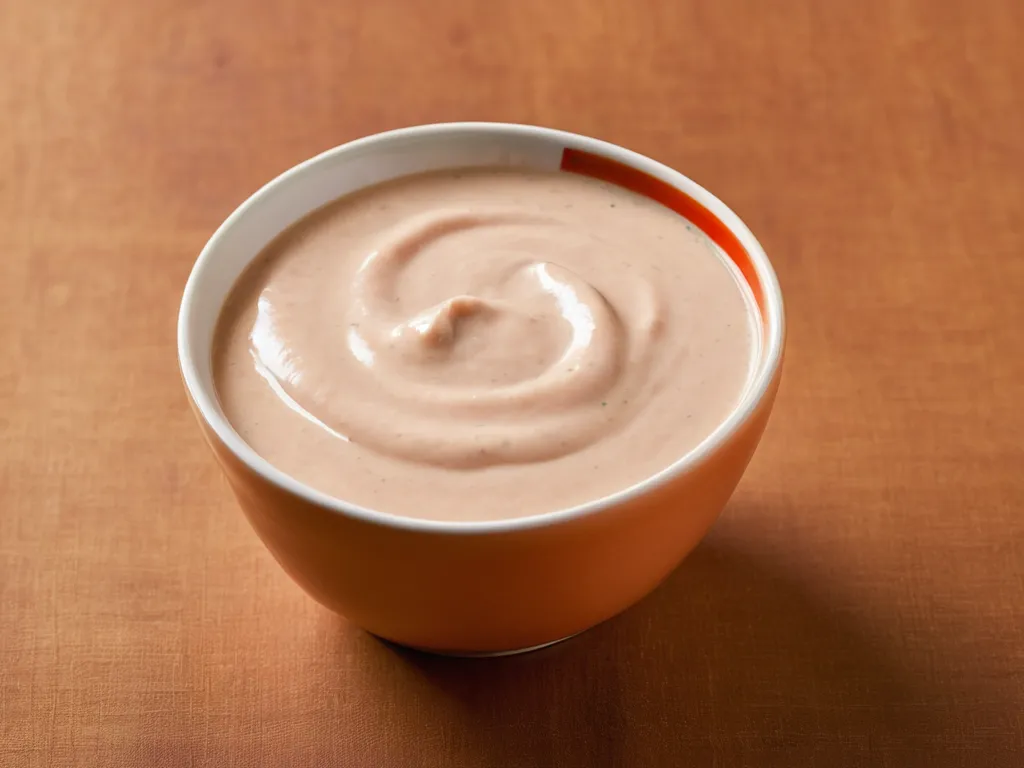
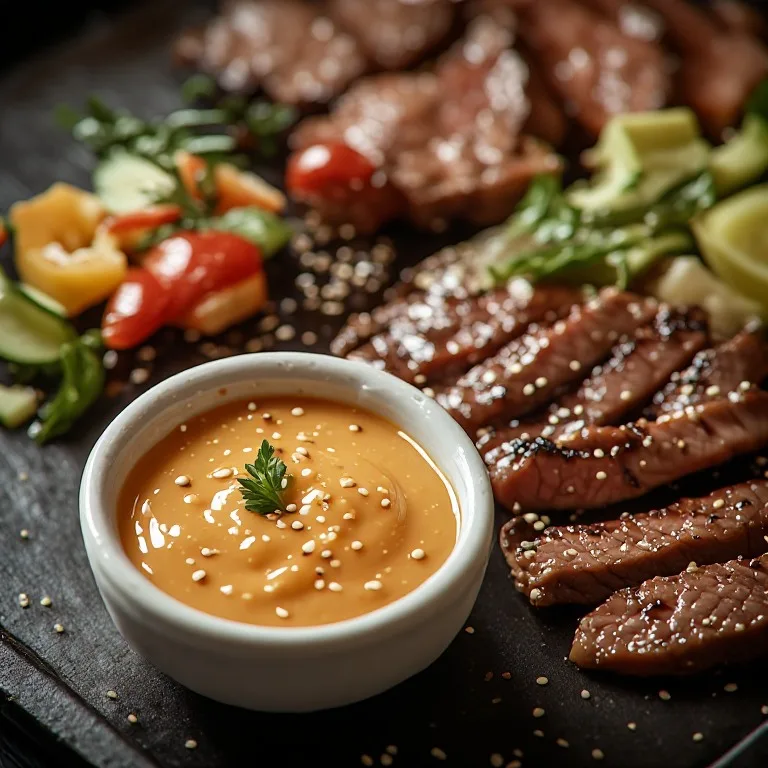
The secret to Benihana noodles is the same secret as every other Benihana dish: the garlic butter. The restaurant makes it in large batches by blending raw garlic into soy sauce, then folding softened butter in until smooth. That compound butter goes into the fried rice, the chicken, the shrimp, and the noodles — it's the connective flavor tissue across the whole menu. At home, a rough version (butter, minced garlic, a splash of Kikkoman) takes three minutes and keeps in the fridge for a week. Make a jar of it first and every Benihana component gets easier.

Nutrition Facts

Per serving (4 servings)
Calories470
Total Fat18g
Total Carbs67g
Dietary Fiber3g
Sugars6g
Protein11g
Sodium980mg

* Estimated values based on standard recipe preparation. Actual values may vary.

Ingredients

  • FOR THE VEGETABLES
  • FOR THE SAUCE
  • TO FINISH

Instructions

💡
Pro tip: This recipe tastes even better the next day. The flavors need time to meld together in the fridge.
❄️
Storage: Keeps in an airtight container in the fridge for up to 2 weeks. Freezer-friendly for up to 3 months.
🎃 Free Halloween cookbook — download now The Copycat Halloween Cookbook A ready-made, photo-illustrated PDF of our best halloween copycat recipes — free to download, no building required. Pay what you want to support if you love it.

Free PDF — instant download. We'll also send new seasonal copycat recipes now and then; unsubscribe anytime. Or just download it →

Copycat Benihana Hibachi Noodles (Yakisoba)

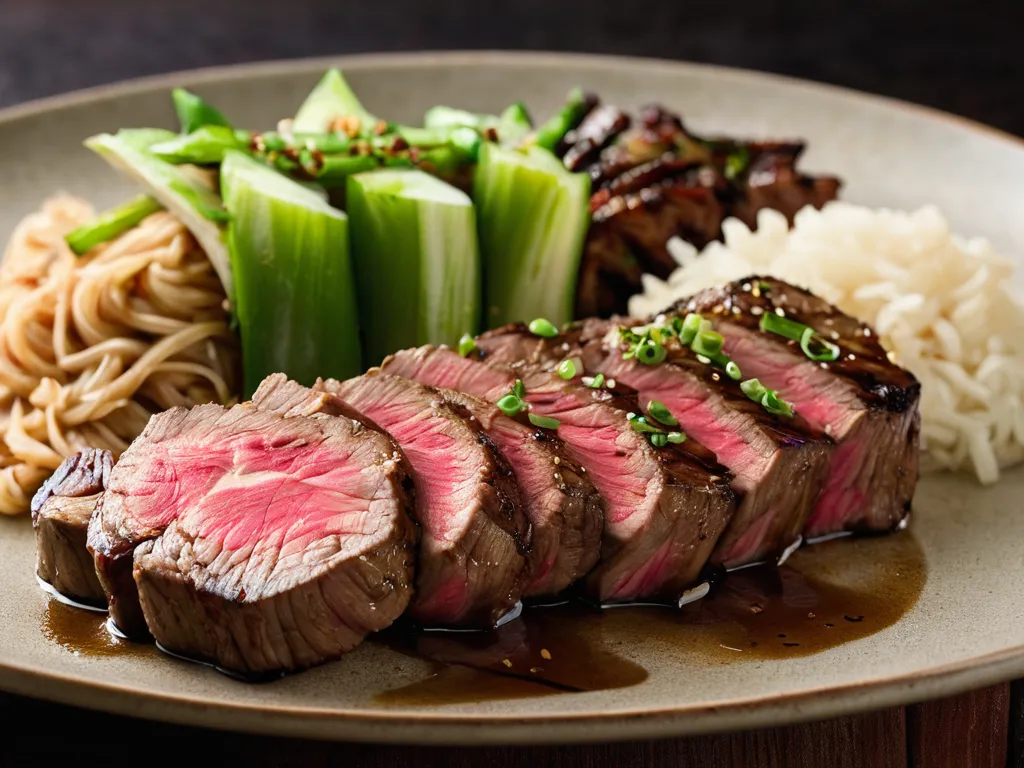
Benihana’s hibachi noodles — chewy yakisoba tossed on a screaming-hot flat griddle with garlic butter, soy, and crisp vegetables — are the side that disappears fastest from the teppanyaki spread. They take about 10 minutes to cook, cost roughly $4 for four servings at home, and the secret is the same one that runs through every Benihana dish: the garlic butter.

The Garlic Butter Is the Whole Story

Benihana makes a large compound butter at the start of each service: raw garlic blended into Kikkoman soy sauce, then folded into softened unsalted butter. A tablespoon of it goes into the fried rice, a tablespoon goes over the chicken, a tablespoon finishes the shrimp, and a tablespoon goes into the noodles. It is the consistent thread across the entire tableside menu.

At home, three minutes of mixing produces a week’s worth of this garlic butter. Make it first. Store it in a small jar in the fridge. Then every component of the Benihana spread — chicken, steak, vegetables, fried rice, noodles — gets easier because the hardest part is already done.

What Noodles to Use

The noodle matters here. Yakisoba noodles (Japanese wheat noodles, pre-cooked and refrigerated) have the right chew and don’t get gummy the way spaghetti or ramen does when stir-fried. Most Asian grocery stores carry them in the refrigerated produce section; many mainstream supermarkets now stock them too. Sun Noodle and Sun Luck are common brands. They come in 4-oz coils — three packages for four servings.

If your package includes a seasoning packet, discard it. You’re making your own sauce.

The High-Heat Step Most Home Cooks Skip

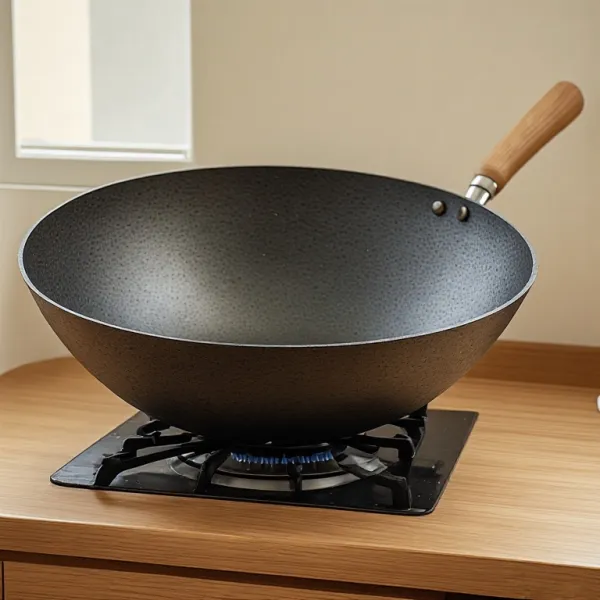
The char on Benihana noodles comes from direct contact with a 500°F+ flat griddle. At home, that means preheating your cast iron skillet or carbon steel wok for a full 3–4 minutes over the highest heat your stove produces until it is visibly smoking. Press the loosened noodles flat against the hot surface and don’t touch them for 45 seconds. You want some of the strands to char and crisp at the edges — those slightly burnt bits are exactly what makes them taste like the restaurant rather than a home stir-fry.

Garlic Butter Goes In Last, Off the Heat

This is the rule. The same high heat that gives the noodles their char will burn the garlic in under 10 seconds, turning it from sweet and nutty to harsh and bitter. Pull the pan off the burner before adding the garlic butter. Toss the noodles through the melting butter in the residual heat. That’s the move.

Complete the Benihana Spread

The classic Benihana combination plate is protein + fried rice + hibachi noodles + vegetables + soup + salad. If you’re doing the full spread at home:

🥗

Make It Healthier

Love Benihana Hibachi Noodles (Yakisoba) but want a lighter version? Try these simple swaps:

  • ✓Use 1 tablespoon of butter instead of 3 — the garlic and soy sauce carry flavor even at a lower fat level.
  • ✓Double the vegetables (extra cabbage and mushrooms) and reduce noodles to 2 packages for 4 servings to lower carbs and add fiber.
  • ✓Swap half the soy sauce for low-sodium soy sauce to bring sodium under 700mg per serving.
  • ✓Add edamame or silken tofu cubes to the vegetables for a protein boost without the calories of hibachi chicken or steak.

Frequently Asked Questions

What noodles does Benihana use for hibachi noodles?

Benihana uses yakisoba noodles — a Japanese wheat noodle pre-cooked and packed in a neutral brine. They're sold fresh (refrigerated) in most Asian grocery stores and increasingly in the produce aisle of mainstream supermarkets. Sun Noodle and Sun Luck are common brands. They come in tight coils; just loosen them under warm water before cooking. Do not substitute spaghetti, ramen, or udon — they have the wrong starch content and cook differently, which is why home versions often taste gummy or heavy.

What is Benihana's garlic butter made of?

Benihana's garlic butter is three ingredients: softened unsalted butter, raw minced garlic, and Kikkoman soy sauce. For restaurant quantities they blend the garlic into the soy first, then fold in softened butter. At home, mincing the garlic fine and mixing directly into soft butter with soy works just as well. The ratio is roughly 1 stick butter to 3–4 garlic cloves to 1 tablespoon soy sauce. This is the same garlic butter used across all their teppanyaki dishes — hibachi chicken, steak, shrimp, fried rice, and noodles.

Can I make Benihana hibachi noodles without a flat griddle?

Yes. A large cast iron skillet (12-inch or larger) or a carbon steel wok are the best home substitutes. The key is preheating the pan until it is genuinely smoking — 3–4 minutes over the highest heat your stove produces. A thin stainless or nonstick pan loses temperature the instant the cold noodles hit it and you end up steaming rather than charring. If your largest skillet isn't big enough for all the noodles in one layer, cook in two batches rather than piling them in.

What vegetables go in Benihana hibachi noodles?

Benihana's teppanyaki spread includes carrots, sliced onion, mushrooms, and sometimes bean sprouts — all tossed with the noodles on the flat griddle. Cabbage is a common addition in home versions and works well. The vegetables cook fast at high heat and should still have some crunch when served. Zucchini and broccoli florets are easy additions. Avoid vegetables with very high water content (like tomatoes) that would dilute the sauce and steam rather than sear.

What sauce goes in Benihana hibachi noodles?

The sauce is soy sauce, oyster sauce, and mirin — a simple trio that gives savory depth (soy), umami richness (oyster sauce), and a touch of sweetness (mirin). Benihana also uses Otafuku brand bottled yakisoba sauce at the restaurant; if you can find it, use 3 tablespoons of Otafuku in place of the three-ingredient sauce above. The garlic butter added at the end is layered on top of the sauce, not in place of it.

How do I keep the garlic from burning in hibachi noodles?

Always add the garlic butter off the heat or at the very end of cooking. Garlic on a screaming-hot griddle or skillet burns within seconds and turns bitter — the same heat level that gives the noodles their char will destroy the garlic. Pull the pan off the burner, then add the garlic butter and toss through the hot noodles. The residual heat is enough to melt the butter and bloom the garlic flavor without scorching it. This is the single most common mistake in home hibachi noodle recipes.

Love this recipe? Share it!

Free PDF: our 12 most-wanted copycat recipes — instant download.

Made it? Buy us a coffee

Every recipe here is free, with no paywalls. If this one was a hit at your table, a small tip keeps new copycats coming.

$

Benihana is a trademark of its owner, used here only to describe the dish this recipe recreates. This is an independent copycat written in our own words — Copycat Spices is not affiliated with, endorsed by or sponsored by Benihana.

Ratings & Reviews

—
No ratings yet

Rate this recipe

Click a star to rate

Leave a Review

0/500

CS

Copycat Spices Editorial

Researched + fact-checked. Every recipe on Copycat Spices is built from published sources — official ingredient lists, brand-published recipes, interviews and food-science references — and fact-checked before it goes live, then written as clear, step-by-step instructions for home cooks of all skill levels.

Learn more about our mission →