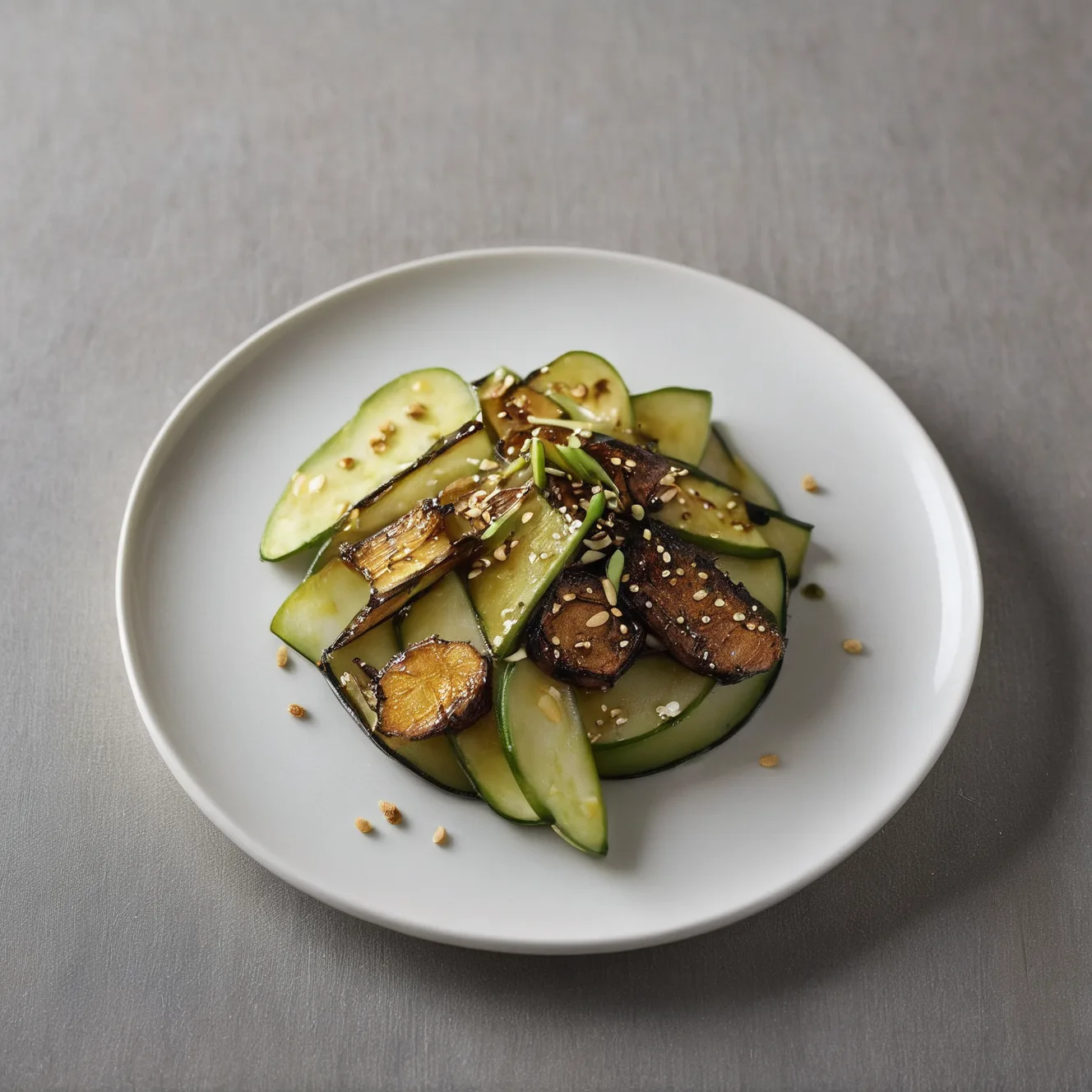
Copycat Benihana Hibachi Vegetables
Prep time: 8 min | Cook time: 7 min | Serves: 4 as a side
Benihana’s vegetable side is three ingredients cooked on a flat griddle at very high heat: zucchini, mushrooms, and onion, finished in garlic butter and soy sauce. The technique is the same one used for the steak and chicken — extreme heat, garlic butter added after the initial sear, soy sauce poured directly on the exposed pan surface so it reduces into a glaze rather than diluting over the vegetables.
Done right, the zucchini has a faint char at the edges, the mushrooms are mahogany brown on the cut face, and the onion is caramelized and slightly smoky. Done wrong — low heat, wet mushrooms, an overcrowded pan — and you get a steamed, watery mess that looks nothing like what comes off the teppanyaki grill.
This is a five-minute side dish once the pan is hot. The only real skill is knowing the order to add things and how hot to run the heat.
Why the Vegetable Order Matters
Onion goes in first because it takes the longest to cook and benefits from the longest contact with the hot oil. It needs a full 2.5 minutes to develop caramelization at the cut edges.
Mushrooms go in next because they’re the most vulnerable to a crowded, steam-filled pan — they need direct high-heat contact to sear, and they’ll never brown in the moisture released by the zucchini. Adding them before the zucchini means they hit a still-dry pan.
Zucchini goes in last because it cooks the fastest. Two minutes is usually enough to get color without turning it soft. Overcooked zucchini falls apart and releases water that undoes all the searing you did on the mushrooms.
Garlic butter goes in after everything has color — never before, because the garlic will burn. It takes less than 30 seconds to go from fragrant to bitter at the temperatures you’re cooking at.
Soy sauce goes on the hot pan surface, not on the vegetables. This is the same technique used in the hibachi steak and chicken recipes. On a hot pan, the water in the soy sauce evaporates immediately and the remaining liquid sugars and proteins caramelize into a concentrated glaze. That glaze then coats the vegetables as you toss them through it. Poured directly over the vegetables, soy sauce just runs off and tastes thin.
The Safflower Oil Difference
Most home hibachi recipes call for vegetable oil, and it works fine. Restaurants use safflower oil because it’s nearly flavorless and has a high smoke point (around 450°F). The practical effect: the oil contributes nothing but lubrication. Whatever you smell and taste comes from the vegetables, the garlic butter, and the soy sauce.
If you want the cleanest version of this recipe, use safflower oil. If you only have vegetable oil, use it — the difference in the final dish is small enough to ignore.
Avoid olive oil. Its smoke point (350–375°F for extra virgin) is too low for teppanyaki-style cooking. At the temperatures you need for proper hibachi vegetables, olive oil will smoke heavily and develop bitter compounds before the vegetables are done.
Making a Full Benihana Dinner
Hibachi vegetables are one component of the full teppanyaki spread — not the main event on their own. For a complete dinner at home, cook them in this order:
- Make the ginger salad dressing and refrigerate (30 min rest minimum)
- Start the Japanese onion soup — it holds on low heat
- Make the yum yum sauce and refrigerate
- Cook the hibachi vegetables (this recipe) — plate them and set aside
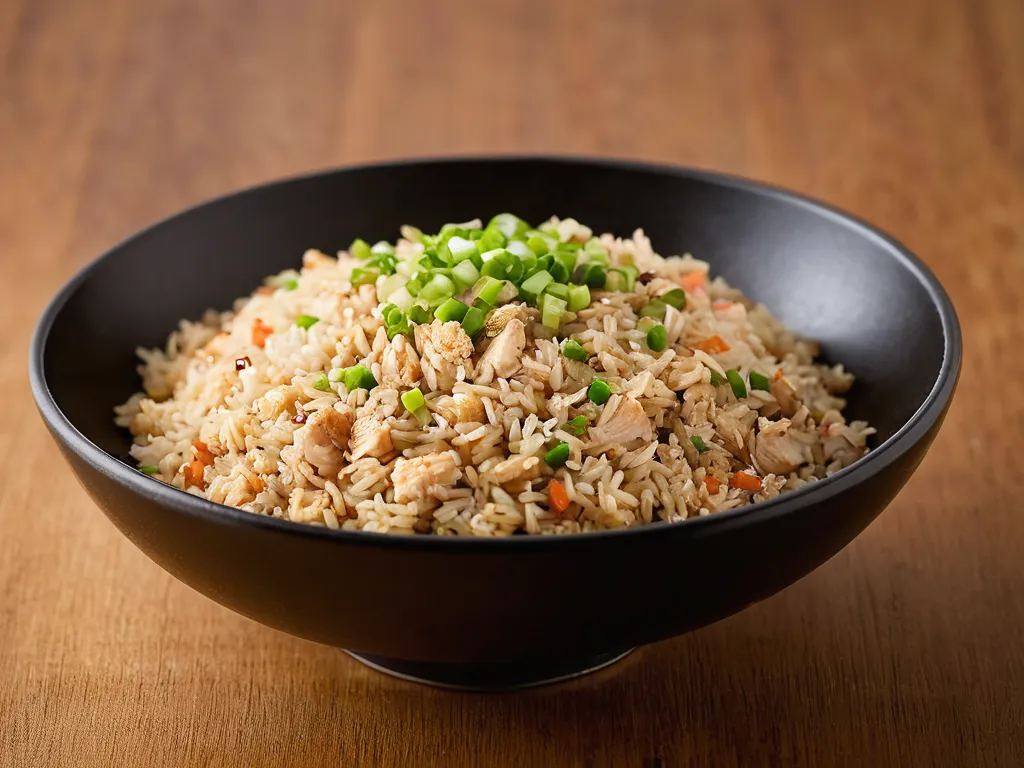
- Cook the hibachi fried rice (15–20 minutes — the longest step)
- Cook the main protein — hibachi steak, hibachi chicken, or garlic butter shrimp — last
The vegetables hold at room temperature while the fried rice cooks. Serve the soup and salad as guests sit down, then bring out the vegetable plate, followed by the rice and protein as they finish.
Tips and Variations
Bean sprouts: Authentic Benihana occasionally adds bean sprouts. If you use them, add during the final 30 seconds — they need almost no time and go limp immediately if overcooked.
Broccoli: Appears on some Benihana regional menus. Add small florets with the zucchini — same cook time.
Make-ahead garlic butter: Mash 1 head of oven-roasted garlic (400°F, 45 min in foil) with 4 tablespoons softened butter, 1 teaspoon soy sauce, and a pinch of black pepper. Form into a log, wrap in plastic, refrigerate for up to 2 weeks. Drop a tablespoon into the pan in place of the fresh garlic and butter step. The flavor is sweeter and more complex than quick fresh garlic — this is what the restaurant actually uses.
Avoid a non-stick pan. Non-stick coatings start degrading above 400–500°F. Teppanyaki cooking runs hotter than that. Cast iron or stainless steel are your only real options at home.
Complete the Benihana Spread
These vegetables are one part of the full teppanyaki dinner. The complete guide to cooking every component — in the right order, with timing for the whole meal — is at the Benihana Hibachi Night at Home hub.
Individual recipes for each component:
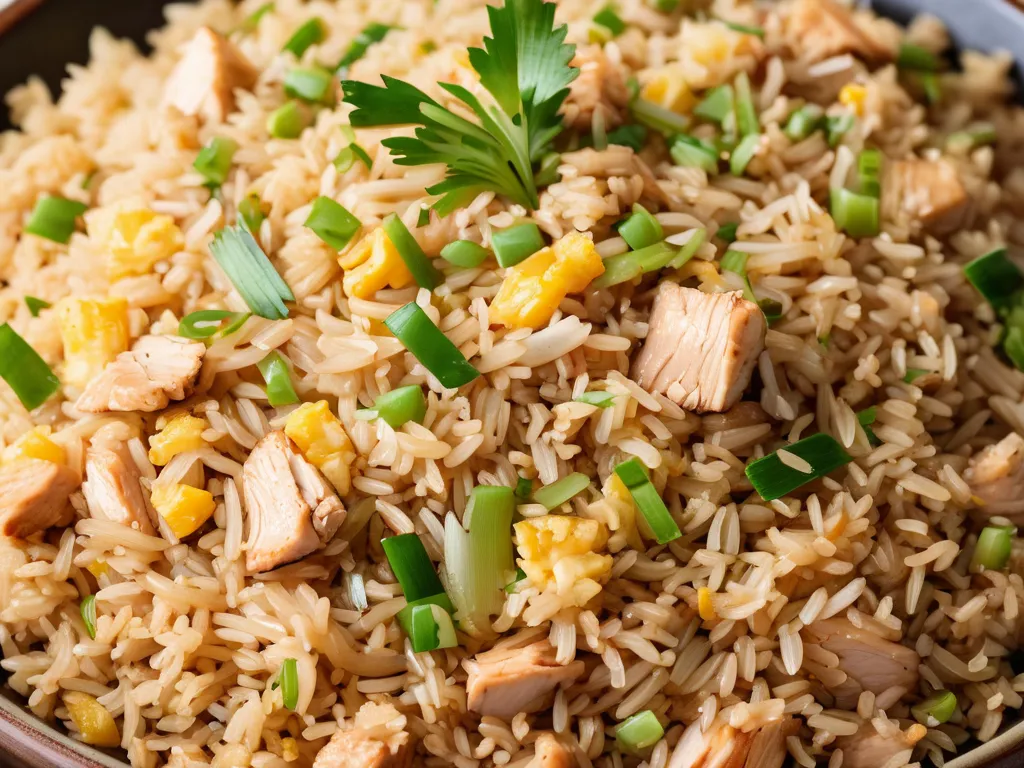
- Benihana Fried Rice — the dish most people come for
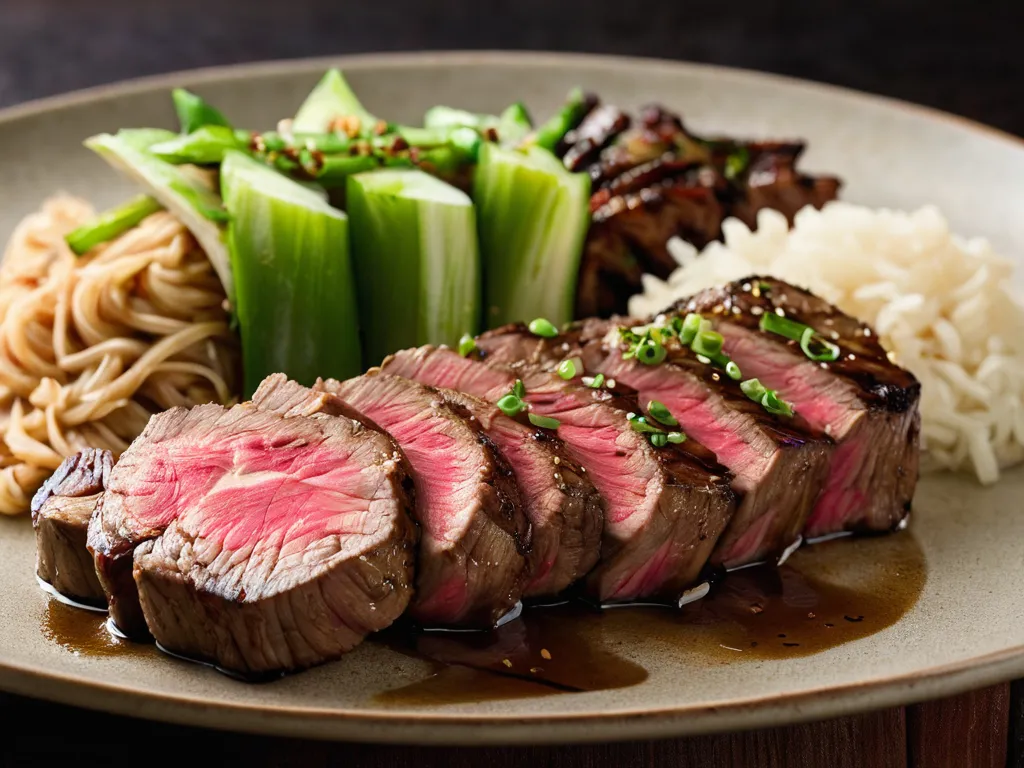
- Copycat Benihana Hibachi Steak — sirloin cubes, high heat, garlic butter sear
- Copycat Benihana Hibachi Chicken — boneless chicken breast, same technique
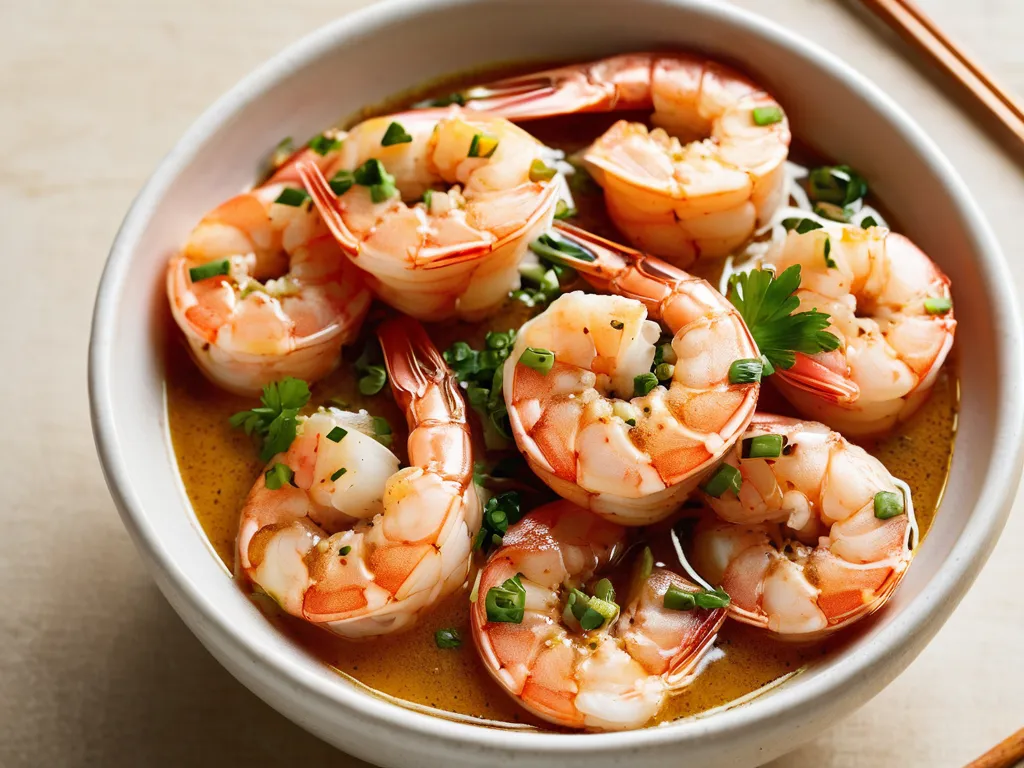
- Copycat Benihana Garlic Butter Shrimp — the shrimp appetizer and main
- Copycat Benihana Yum Yum Sauce — the creamy pink-orange dipping sauce
- Copycat Benihana Ginger Dipping Sauce — the traditional pairing for vegetables
- Copycat Benihana Ginger Salad Dressing — the oil-based orange dressing served with the salad
- Copycat Benihana Japanese Onion Soup — clear dual broth with crispy onion ring topping