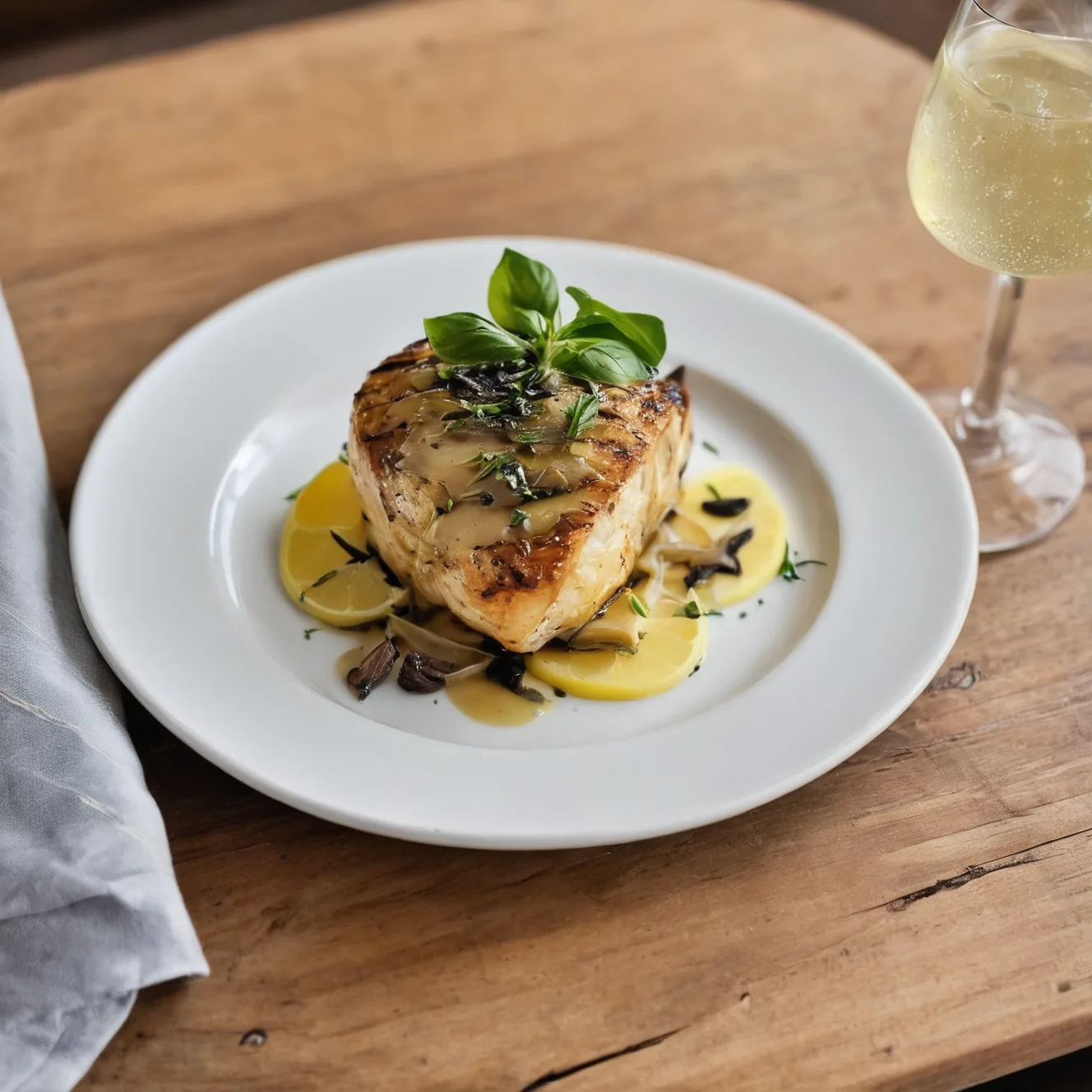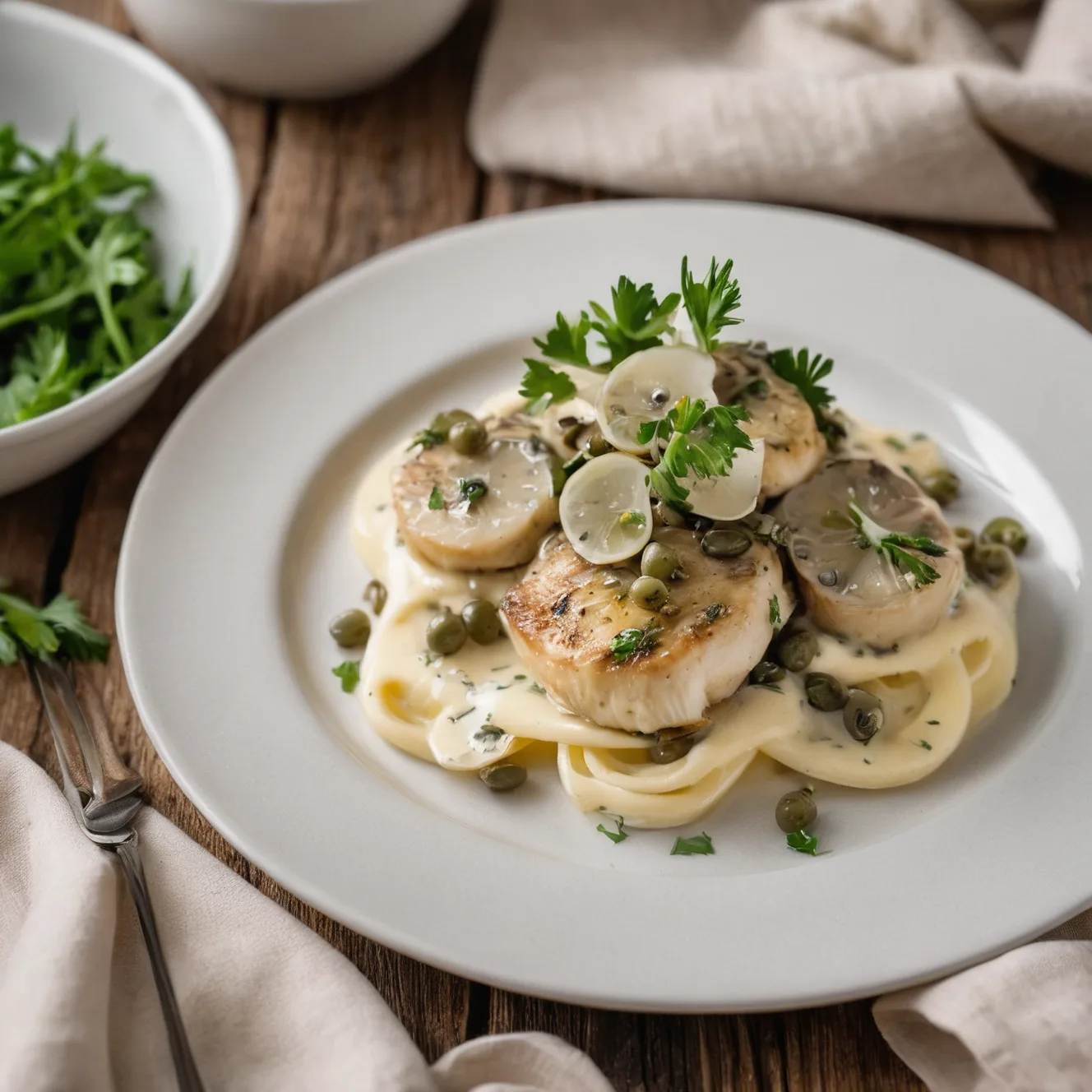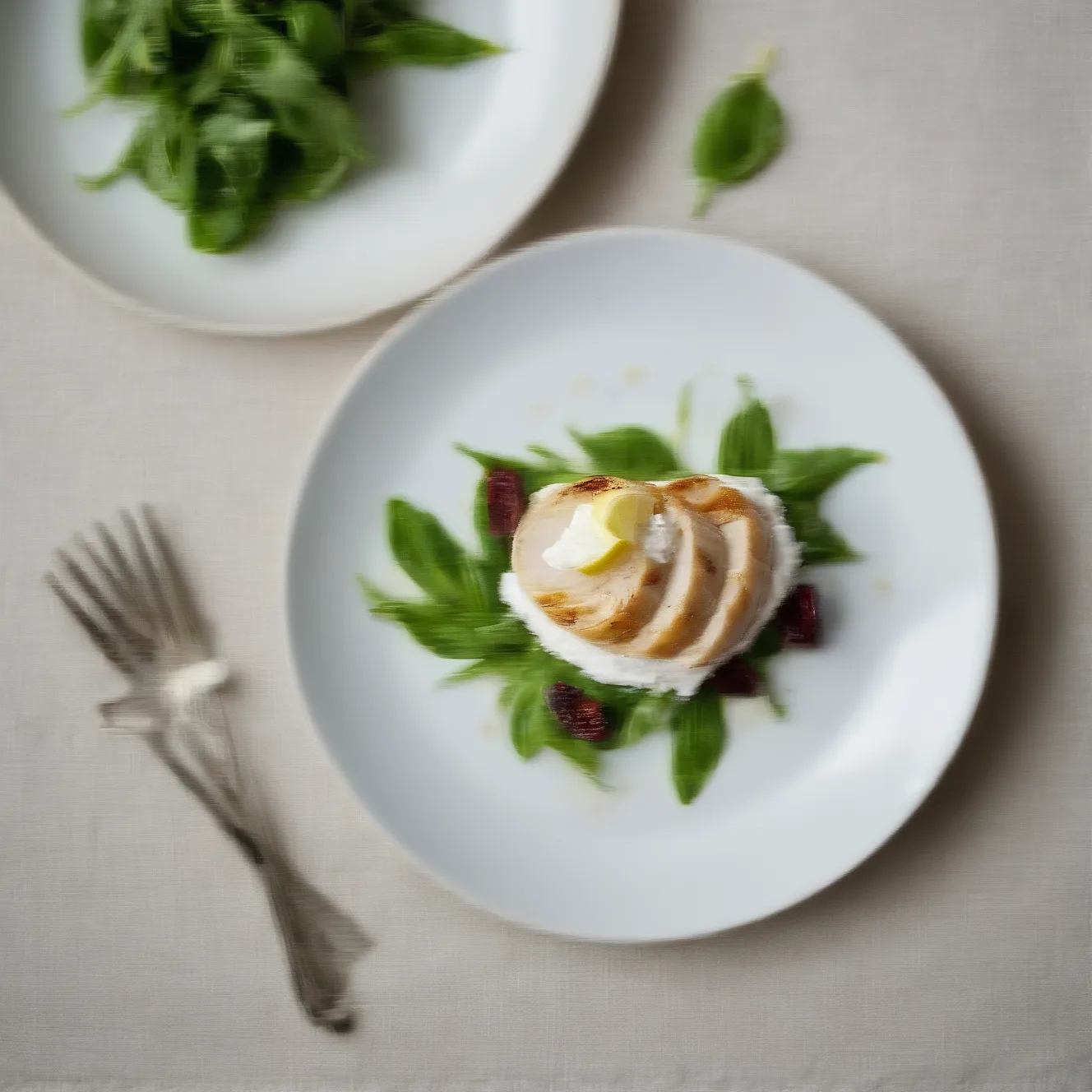
Carrabba’s Italian Grill has been serving Chicken Bryan since the restaurant opened in Houston in 1986, and it remains one of their most-requested dishes. It looks like a lot of separate components — goat cheese, sun-dried tomatoes, fresh basil, lemon butter sauce — but in the actual recipe, almost everything ends up in one pan. The sauce is the dish.
The key is understanding that this is a beurre monté, not a cream sauce. You build an acid base (white wine, lemon juice, garlic, onion), reduce it, take the pan off the heat, and whisk in cold butter piece by piece. The cold butter emulsifies into the warm acidic liquid rather than melting into an oily pool. Then the sun-dried tomatoes and fresh basil go straight into the sauce — off heat, to keep their color and bite. When the sauce hits the plate, it is carrying the tomatoes and basil with it, which is why the restaurant dish always looks assembled all at once rather than built in layers.
Why the Name
Johnny Carrabba’s family immigrated from Sicily and settled in Bryan, Texas — the town near College Station in central Texas — before the restaurant-building branch of the family made its way to Houston. According to Carrabba’s own heritage story, Chicken Bryan takes its name from that town; the dish itself was created by co-founder Damian Mandola, Johnny Carrabba’s uncle. (A competing account credits Johnny’s brother, Bryan Carrabba, who helped build the early restaurant — so the “person vs. place” question isn’t fully settled, but the company points to the town.) Either way, it’s a family homage, not a reference to anyone outside the Carrabba orbit.
What Most Copycat Recipes Get Wrong
Two common errors appear in nearly every other Chicken Bryan recipe on the internet.
First, the goat cheese technique. Most recipes instruct you to broil the goat cheese on top of the chicken after the chicken is plated, or to warm the cheese separately. The correct technique is simpler: place the goat cheese rounds directly on the still-hot chicken immediately off the grill. The chicken’s residual heat softens the cheese against it without melting it into a pool. The cheese stays intact as a round, slightly yielding against the knife, rather than fully melted or cold and firm.
Second, the tomatoes and basil. Many recipes treat them as garnish scattered on top of the finished dish. In the actual Carrabba’s recipe, they go into the sauce off the heat — they are part of the lemon butter sauce, not a separate topping layer. This means the sauce is already studded with tomatoes and basil when it gets spooned over the chicken, which is how the restaurant’s plating actually looks: unified, not assembled.
Cost Comparison
| Carrabba’s | Homemade | |
|---|---|---|
| Chicken Bryan (per plate) | ~$22–25 | ~$5.50–6.50 |
| 4 servings | ~$88–100 | ~$22–26 |
| Savings | ~$65–80 |
Homemade cost per 4 servings: chicken breasts ($8), goat cheese ($5), sun-dried tomatoes ($3), white wine for cooking ($2), lemons + butter ($4), fresh basil ($1.50).
Getting It Right
- Pound the chicken to an even thickness. A 3/4-inch-thick breast cooks evenly from edge to edge. Without pounding, the thin tapered end is overcooked by the time the thick center hits 165°F.
- Hot grill, don’t move it. Let the chicken sit undisturbed for 4 full minutes before checking. It will release cleanly when the sear is set; forcing it early tears the surface and sticks.
- Goat cheese goes on off the grill, not under the broiler. Place the rounds on the hot chicken immediately after pulling it from the grill. Let it sit 2 minutes — the cheese softens into the meat without losing its shape.
- Cold butter, all at once off heat means broken sauce. Add one tablespoon at a time, swirl until incorporated, then add the next. Patience here produces the glossy result; rushing produces grease.
- Basil last, off heat. Basil added to a hot liquid browns and turns bitter within a minute. Folding it into the sauce after you pull the pan off the burner keeps it bright green on the plate.
Variations
Kalamata olive addition: Some Carrabba’s recipes and older test-kitchen versions include sliced kalamata olives folded into the sauce alongside the tomatoes. Add 2 tablespoons of pitted, sliced kalamatas per batch for a briny counterpoint. It works especially well if your sun-dried tomatoes are on the sweeter side.
Pollo Rosa Maria riff: Carrabba’s also serves Pollo Rosa Maria, which uses the same lemon butter sauce base but substitutes chicken stuffed with Fontina cheese and prosciutto for the plain grilled breast. The sauce technique is identical; the assembly — a folded breast grilled seam-side down — is different.
Lighter version: Reduce the cold butter to 1/3 cup. The sauce will be slightly thinner and less rich, but the lemon and wine flavor stays sharp and the tomato-basil combination still carries the dish.
Storage and Reheating
Store leftover chicken and any extra sauce separately in airtight containers for up to 3 days. The sauce solidifies when refrigerated (the butter firms up) — reheat gently in a small saucepan over very low heat, swirling to re-emulsify, or add a tablespoon of water and microwave in 15-second bursts. Do not boil it; the sauce breaks under sustained heat.
Best way to reheat the chicken: Place on a wire rack over a sheet pan and warm at 375°F for 10–12 minutes. Restore the goat cheese the same way you made it — place fresh rounds on the hot chicken when it comes out of the oven and let it soften for 2 minutes.
The extra sauce over pasta: Any remaining lemon butter sauce is outstanding tossed with hot linguine or spooned over sautéed vegetables. It keeps 3 days refrigerated.
For more Italian-American restaurant copycats, see Olive Garden Chicken Marsala, Olive Garden Chicken Alfredo, and Cheesecake Factory Chicken Madeira — all built around similar pan-sauce techniques.