

Eventide Oyster Co.’s Brown Butter Lobster Roll
Prep time: 1 hr 30 min | Cook time: 20 min | Serves: 4 | Difficulty: Intermediate
Eventide Oyster Co. opened in Portland, Maine in 2012 at 86 Middle Street in the Old Port. Mike Wiley and Andrew Taylor — who run Hugo’s, the Michelin-starred tasting menu restaurant around the corner — wanted a more casual room, somewhere you could eat standing up at a counter and not feel like you were wasting a table. Arlin Smith joined the project and became a partner. Bon Appétit named it the best new restaurant in America in 2013. Wiley and Taylor later won the James Beard Award for Best Chef: Northeast, one of the hardest categories in American cooking.
The lobster roll, which has run around $20 at their Portland and Boston locations in recent years, is what the restaurant became famous for. It is not the only thing they do — the oyster selection, the clam chowder, the lobster stew — but it is the thing food writers kept coming back to describe.
The Two Decisions That Changed the Lobster Roll
A Maine lobster roll (cold, with mayonnaise) and a Connecticut lobster roll (warm, with butter) have existed since at least the 1930s. Eventide’s version is a third thing.
The first departure is the brown butter. Connecticut-style rolls use plain melted butter poured over cold lobster; the butter coats but adds no flavor of its own. Eventide browns the butter — a standard enough move — but adds nonfat dry milk powder before browning starts. Regular unsalted butter has only 1 to 2% milk solids, the compounds that actually brown and caramelize. Milk powder is almost entirely those same solids. Adding two tablespoons roughly doubles the amount of browning material in the pan, producing a walnut-colored butter with more depth and complexity than beurre noisette alone. The finished sauce — brown butter, lemon juice, salt — is only three ingredients but has a range that takes several minutes to assemble and seconds to explain.
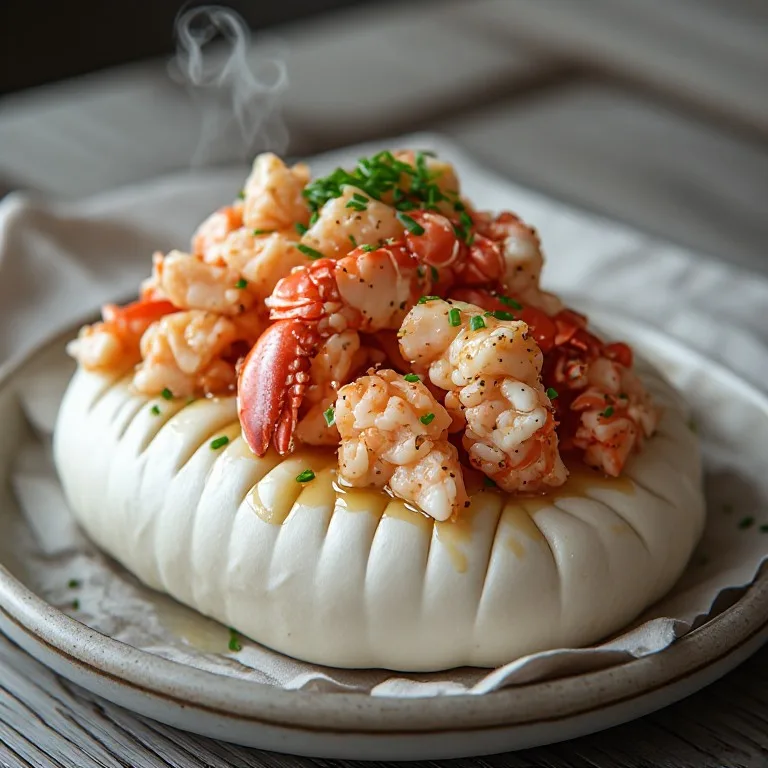
The second departure is the bun. A griddled hot dog roll is toasted and slightly crispy on the cut surfaces; the crunch is part of the experience. Eventide’s steamed bao is the opposite: soft, yielding, slightly sweet from the milk in the dough. The lobster in warm butter against that pillow is a different relationship than lobster against toasted bread — less contrasty, more unified, the whole roll feeling like one warm thing rather than two separate components. Mike Wiley and Andrew Taylor were drawing on Chinese-American cooking in Portland when they made this choice. The gua bao — the steamed folded bun associated with Taiwanese braised pork — is the structural model.
Making the Bao Dough
The dough uses nonfat dry milk powder a second time (the same ingredient as the brown butter, which is either convenient or deliberate depending on how you want to read it). The milk powder in the dough enriches the bun, making it softer and slightly sweeter than plain steamed mantou. The baking powder and baking soda give it a fine, even crumb under steam — without them the bun can be dense and chewy rather than light and pillowy.
A few technique notes:
The oil brush before folding is necessary. Without it, the two layers fuse completely during steaming and tear when you try to open the bun. A thin brush of neutral oil (not butter — butter burns; not olive oil — the flavor intrudes) is enough to keep the layers separable.
Parchment under each bun is not optional. Direct contact between bun and steamer rack leaves grid marks and causes sticking. A small square of parchment under each bun solves both problems.
Do not open the steamer early. Steam buns are leavened partly by trapped steam — opening the lid during cooking causes the expanding buns to deflate suddenly and they do not recover. Wait the full 8 to 10 minutes and the 2-minute rest before opening.
The Lobster
Claw and knuckle meat from Maine lobster (Homarus americanus) is the correct cut for this roll. The claw is sweet and tender, shredding naturally into irregular pieces that pile into a bao without the cylindrical uniformity of a tail medallion. The knuckle — the joint between claw and body — is often discarded by home cooks and is the most tender and sweet section of the lobster. Do not waste it.
The lobster should be warm when it hits the brown butter, not cold from the refrigerator. Cold lobster added to brown butter drops the temperature of the sauce, the butter goes opaque and thick, and the sauce never quite comes back together. If you are working with pre-cooked lobster, warm it gently in a small amount of water or a covered pan over low heat to around 110°F before adding it to the browned butter. If you steam the lobster yourself and extract the meat while still hot, you can add it to the brown butter immediately.
The warm lobster in warm brown butter needs only 2 to 3 minutes over the lowest possible heat — just enough to equalize temperatures and coat the meat. Any more than that and the lobster starts to tighten and lose the silk that makes claw meat worth the effort.
Don’t Throw Away the Bodies
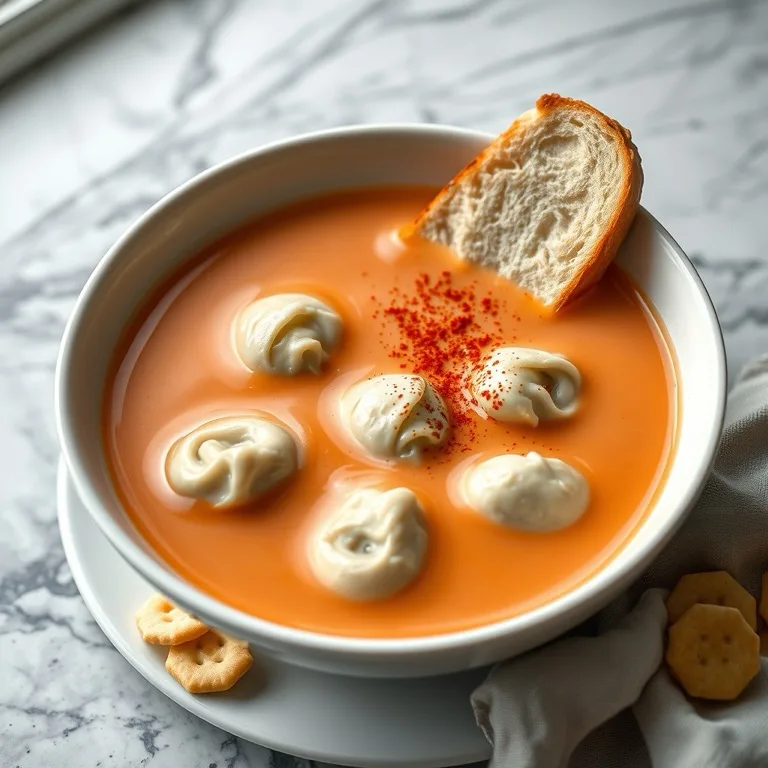
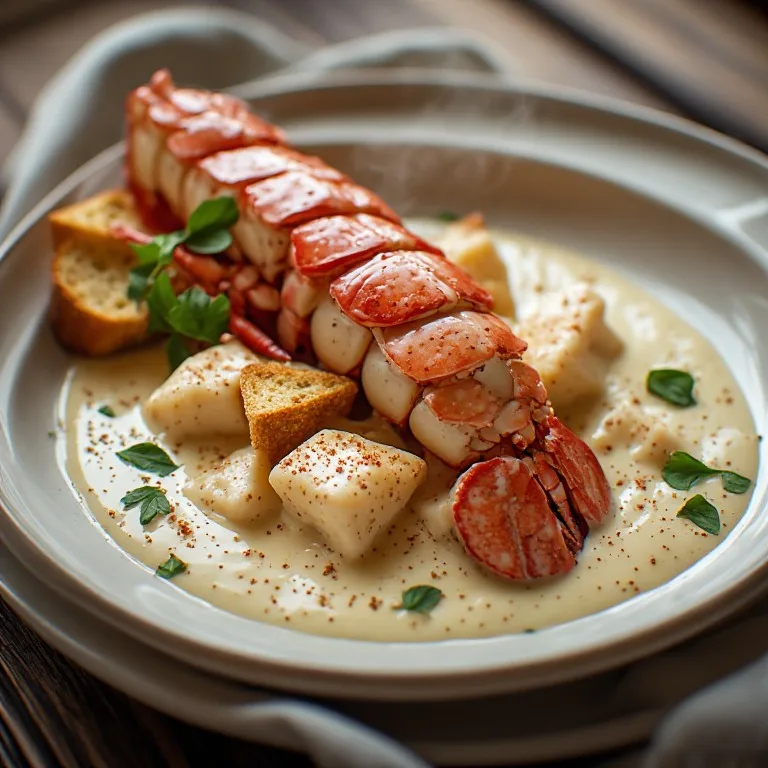
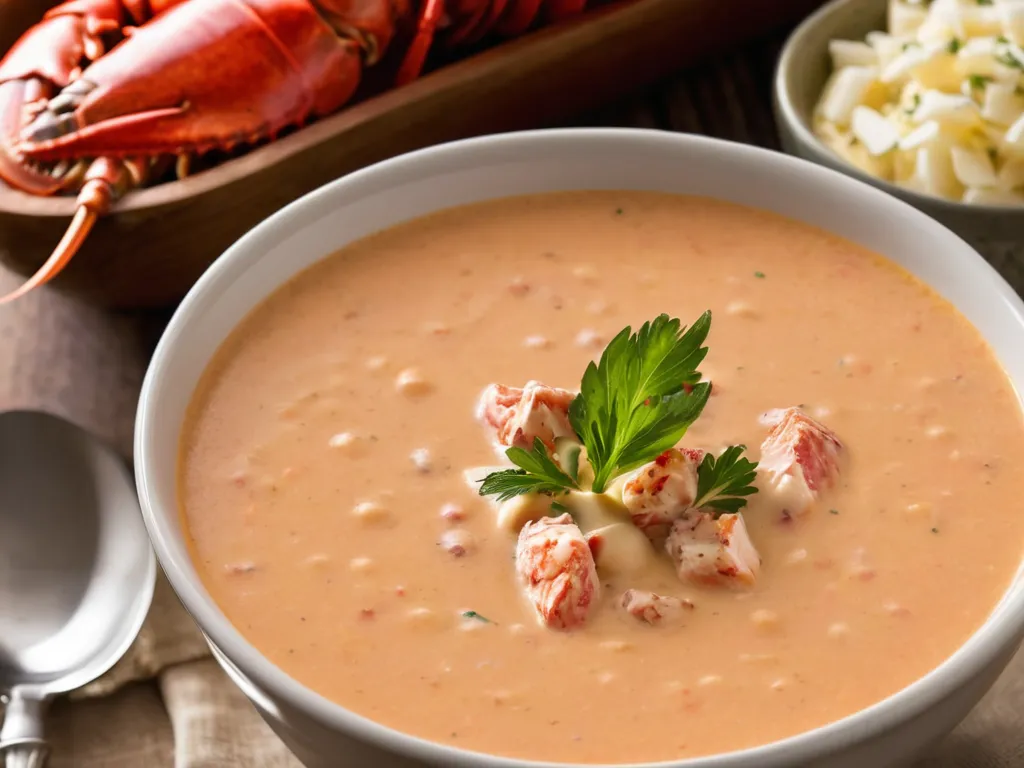
If you cook whole lobsters to pick the claw and knuckle meat, you are left with the bodies, shells, and tail (if you reserve it). Do not throw them out — they are the makings of a second meal. Simmer the shells with aromatics and tomato to build a stock, and you are most of the way to a lobster bisque. Reserved tail medallions, which are firmer than the claw meat this roll calls for, are the right cut for a classic Lobster Newburg — the sherry-and-cream preparation Delmonico’s made famous — so a single batch of lobsters can give you both the roll tonight and a second dish tomorrow.