


Pin It

Gabriel Kreuther's Tarte Flambée (Alsatian Flammekueche)

Gabriel Kreuther's Tarte Flambée (Alsatian Flammekueche)
Jump to Recipe
Prep 20 min (plus 30 min rest) Cook 20 min Serves 4
Quick answer: Make the dough: combine 2 cups all-purpose flour, 1/2 teaspoon instant yeast, and 3/4 teaspoon kosher salt in a bowl. Add 155ml (just over 1/2 cup) warm water (around 110°F) and 1 tablespoon olive oil. Mix until a shaggy dough forms, then knead on a lightly floured surface for 3 to 4 minutes until smooth and not sticky. Wrap and rest at room temperature for 30 minutes. While the dough rests, blanch the lardons: cut 6 oz of thick-cut bacon into 1/2-inch pieces, place in a small saucepan, cover with cold water, bring to a boil, and drain immediately. Pat dry — blanching removes excess salt and some of the raw pork smell. Halve and slice 1 large white or yellow onion paper-thin on a mandoline (or by hand as thin as you can manage). Make the topping: whisk together 3/4 cup fromage blanc (or substitute 1/2 cup cream cheese plus 1/4 cup sour cream, beaten smooth), 1/4 cup crème fraîche, 1/2 teaspoon kosher salt, 1/4 teaspoon white pepper, and a pinch of freshly grated nutmeg until spreadable. Place a baking steel, pizza stone, or inverted heavy sheet pan on the top rack of your oven and preheat to 500°F (as high as it goes) for at least 30 minutes — the mass of metal in the oven matters more than the air temperature. Divide the dough in half. On a generously floured surface, roll one piece into a rectangle roughly 12 by 8 inches and about 1 to 2 millimeters thick — it should be nearly translucent, and you should resist the urge to stop rolling before it feels too thin. Transfer to a sheet of parchment. Spread half the crème fraîche mixture in a thin, even layer over the dough, leaving a 1/2-inch border. Scatter half the onion slices loosely over the top (they will cook down; a thick, packed layer will steam instead of caramelize). Scatter half the blanched lardons over the onion. Slide the parchment onto the hot stone or steel. Bake 7 to 9 minutes, until the edges are charred in spots and the underside is crisp. Remove, scatter a few flakes of fleur de sel and (optional) a pinch of fresh thyme leaves. Cut immediately into pieces and serve — tarte flambée does not hold. Repeat with the second tarte. The restaurant version costs $24 per starter; the full recipe at home costs about $7.

Shop the tools

Gear matched to this recipe. These are Amazon affiliate links — we may earn a small commission if you buy, at no extra cost to you.

As an Amazon Associate, Copycat Spices earns from qualifying purchases. Product images are generic illustrations, not the exact item listed.

Gabriel Kreuther's Tarte Flambée (Alsatian Flammekueche)

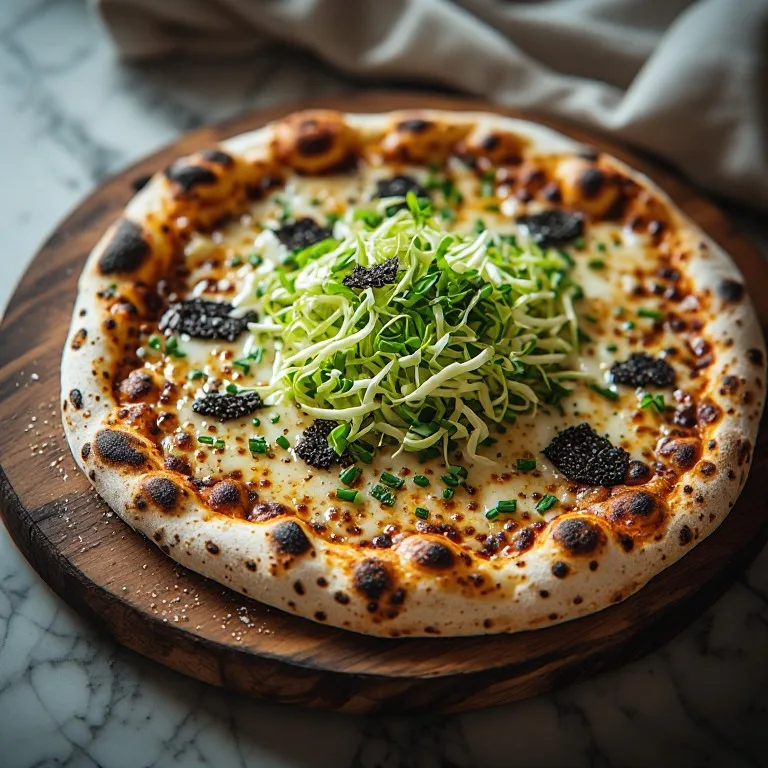
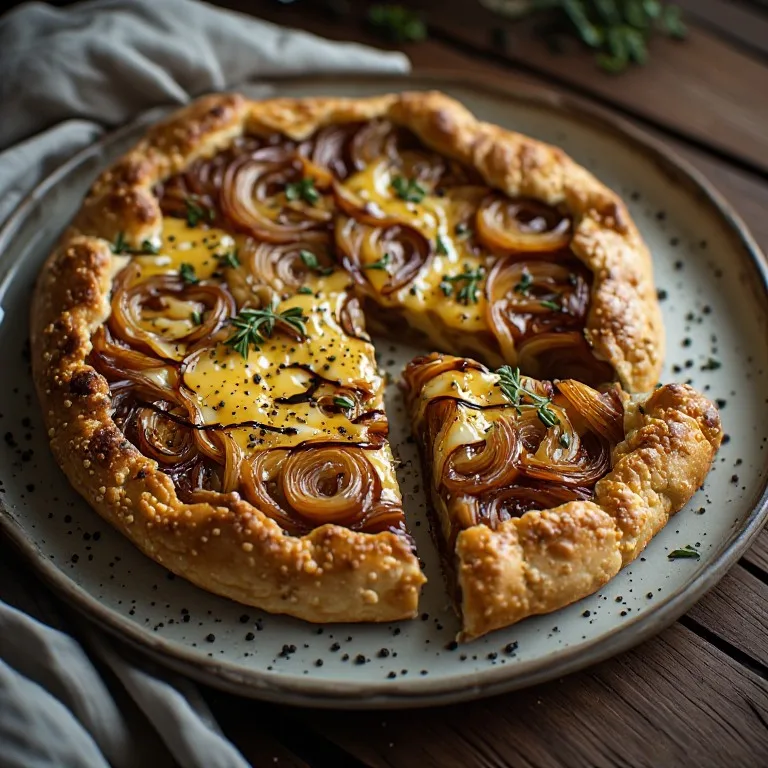
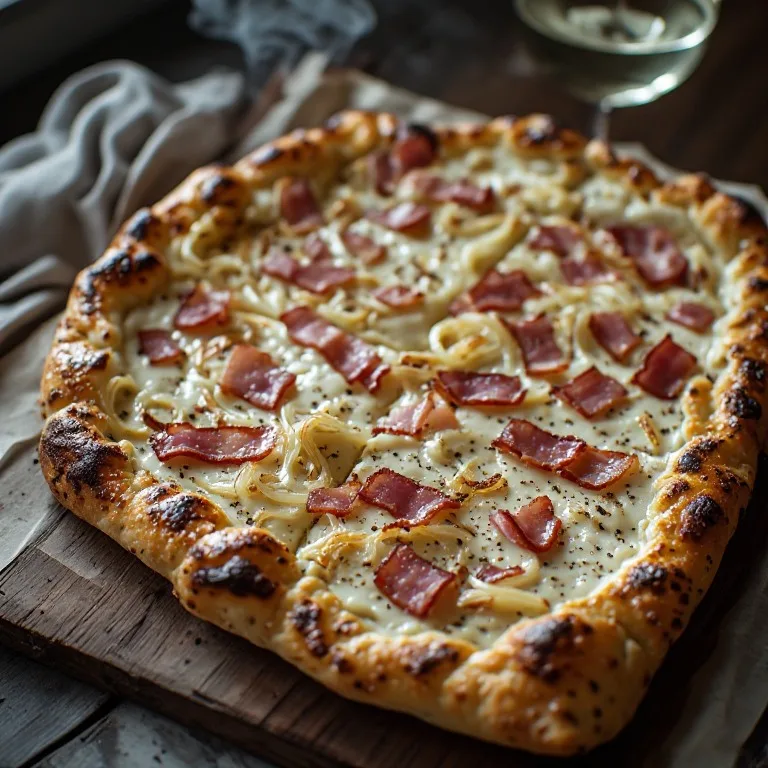
Gabriel Kreuther's tarte flambée is the signature starter at his two-Michelin-star NYC restaurant — paper-thin dough smeared with fromage blanc and crème fraîche, topped with caramelized onion and blanched lardons, and baked at 500°F until the edges char. The restaurant charges $24. This makes two tartes at home for about $7.

Easy Prep: 20 min (plus 30 min rest) Cook: 20 min Total: 40 min4 servings ~$4.50/serving
Prep20 min (plus 30 min rest)
Cook20 min
Total40 min
Servings
4
At home~$4.50/serving
vs
Restaurant~$20.25/serving
You save ~78%

The Story Behind the Recipe

Gabriel Kreuther grew up in Niederschaeffolsheim, a village in Alsace — the historically contested border region between France and Germany that gave the world riesling, choucroute garnie, and tarte flambée. He trained in Strasbourg, staged in Paris under some of the most technical kitchens in France, and moved to New York in 2000 to work under Jean-Georges Vongerichten. By 2004 he was executive chef at The Modern, the Museum of Modern Art's fine-dining restaurant, where he earned two Michelin stars and cooked for over a decade. In 2015 he opened his eponymous restaurant at 41 West 42nd Street, in the Grace Building at Bryant Park, bringing his two-star sensibility to an Alsatian-rooted menu in a room designed by Bentel & Bentel. Tasting menus run $225 per person; a lunch of composed dishes from the à la carte menu runs $125 to $175. The tarte flambée — the restaurant's most-ordered item by volume — is $24.

In Alsace, tarte flambée began as the baker's test: bread-dough scraps from the week's bake were stretched paper-thin, smeared with fromage blanc, scattered with raw onion and blanched lardons, and slid into the wood-fired oven to read its temperature before the loaves went in. A 700°F oven produced charred edges and a crackling base in five minutes or less. Kreuther's kitchen makes the dough fresh, rolls it almost translucent, and tops it with fromage blanc and crème fraîche imported from Alsace when available. The critical move is blanching the lardons first — it pulls out excess saltiness and renders some fat so the pieces caramelize on the hot dough rather than turning rubbery. At home the two obstacles are the same ones facing every home cook replicating high-heat restaurant flatbreads: a baking steel preheated at 500°F for a full 30 minutes, and the resolve to keep rolling the dough thinner than your instincts want. The starter at the restaurant costs $24; the same dish at home costs about $7 for two tartes.

Nutrition Facts

Per serving (4 servings)
Calories490
Total Fat21g
Total Carbs51g
Dietary Fiber3g
Sugars4g
Protein19g
Sodium720mg

* Estimated values based on standard recipe preparation. Actual values may vary.

Ingredients

  • For the dough
  • For the topping
  • For the tarte
💡
Pro tip: This recipe tastes even better the next day. The flavors need time to meld together in the fridge.
❄️
Storage: Keeps in an airtight container in the fridge for up to 2 weeks. Freezer-friendly for up to 3 months.
🎃 Free Halloween cookbook — download now The Copycat Halloween Cookbook A ready-made, photo-illustrated PDF of our best halloween copycat recipes — free to download, no building required. Pay what you want to support if you love it.

Free PDF — instant download. We'll also send new seasonal copycat recipes now and then; unsubscribe anytime. Or just download it →

What Makes Gabriel Kreuther’s Tarte Flambée Different

The difference between a Gabriel Kreuther tarte flambée and a mediocre one comes down to three decisions: how thin you roll the dough, whether you blanch the lardons, and how hot your oven is when the tarte goes in.

The dough should be nearly translucent. The lardons should be pre-blanched. The oven needs 30 minutes at its maximum temperature to charge a baking steel or stone before the first tarte lands on it. Get these three things right and the rest is simple.

Make the Dough

Combine the flour, yeast, and salt in a large bowl. Add the warm water and olive oil. Mix until a shaggy dough forms — it will look rough and uneven at first. Turn it onto a lightly floured surface and knead for 3 to 4 minutes until the dough is smooth, supple, and no longer sticky. It should spring back slowly when you poke it.

Wrap in plastic wrap and rest at room temperature for 30 minutes. This allows the gluten to relax so the dough rolls out without snapping back.

Blanch the Lardons

While the dough rests, place the bacon lardons in a small saucepan, cover with cold water, and bring to a full boil. Drain immediately — do not let them sit in hot water. Pat dry with paper towels.

This step is not optional. Blanching removes excess curing salt and some of the raw pork flavor, so the lardons can caramelize properly in the oven rather than just turning rubbery and aggressively salty.

Make the Topping

Whisk together the fromage blanc (or cream cheese/sour cream mixture), crème fraîche, salt, white pepper, and nutmeg in a small bowl until smooth and spreadable. It should coat a spoon and hold a ribbon — thick enough not to run off the thin dough, thin enough to spread without tearing it.

Preheat the Oven

Place a baking steel, pizza stone, or inverted heavy sheet pan on the top rack of your oven. Preheat to 500°F (or as hot as your oven goes) for at least 30 minutes. The 30-minute wait is non-negotiable — the thermal mass of the steel needs that time to charge. An oven that reads 500°F without a hot stone will produce a pale, floppy tarte. An oven with a fully charged steel will produce charred, crackling edges.

Shape and Top the Tartes

Divide the dough in half. Generously flour your work surface and rolling pin.

Roll one portion into a rough rectangle about 12 by 8 inches. Keep rolling. Then keep rolling more. The dough should reach 1 to 2mm thick — nearly translucent when held to light. It will feel thinner than seems right. That is correct.

Transfer to a sheet of parchment paper. Spread half the crème fraîche topping in a thin, even layer, leaving a 1/2-inch border. Scatter half the onion slices loosely over the top — do not pack them; they need air to caramelize rather than steam. Scatter half the blanched lardons over the onion.

Bake

Slide the parchment directly onto the hot baking steel or stone. Bake for 7 to 9 minutes. The edges should char in several spots — deep brown to black — and the underside should be completely crisp and rigid when you slide a thin spatula under one corner.

Remove from the oven. Scatter a few flakes of fleur de sel over the top. Add a pinch of fresh thyme leaves if using.

Serve Immediately

Cut into pieces and serve. Tarte flambée does not hold — the crust softens within minutes as the crème fraîche topping releases moisture into the base. In Alsace it is eaten standing at the bar while the next one bakes. Serve it the moment it comes out.

Repeat the shaping and baking with the second half of the dough.

Variations

Classic Alsatian (this recipe): fromage blanc, crème fraîche, onion, lardons.

Gratinée: Add a light scatter of grated Gruyère over the lardons before baking — not traditional, but the way most Alsatian brasseries in New York serve it.

Forestière: Replace the lardons with sautéed mixed mushrooms (shiitake, oyster, cremini) seasoned with thyme and garlic. Omit the onion; add a drizzle of truffle oil after baking.

Sweet (flammekueche sucrée): Omit the lardons and onion. Top with crème fraîche, thin-sliced apple or pear, brown sugar, and cinnamon. Bake as directed; finish with powdered sugar.
🥗

Make It Healthier

Love Gabriel Kreuther's Tarte Flambée (Alsatian Flammekueche) but want a lighter version? Try these simple swaps:

  • ✓Substitute turkey bacon for the lardons — still blanch it first to remove excess sodium — and save about 50 calories and 5g saturated fat per serving without losing the smoky pork flavor the dish needs.
  • ✓Use full-fat Greek yogurt in place of the crème fraîche portion of the topping (not the fromage blanc) — saves about 30 calories and 3g fat per tarte while keeping the tangy dairy base intact; the yogurt holds at 500°F without curdling when mixed with the fromage blanc.
  • ✓Skip the second tarte and serve the first one as a shared appetizer for four (two pieces each) alongside a simple green salad dressed with lemon and olive oil — this halves the carb load and adds fiber while keeping the tarte the clear star.
  • ✓Reduce the lardons by half and add a tablespoon of thinly sliced shallots alongside the onion — the shallot adds sweetness and depth that compensates for less bacon, without adding fat.

Frequently Asked Questions

What is tarte flambée (flammekueche) and how is it different from pizza?

Tarte flambée — called flammekueche in the Alsatian dialect — is a traditional flatbread from the Alsace region of France. The dough is simpler than pizza dough (flour, water, yeast, salt, olive oil), rolled to near-translucency — roughly 1 to 2mm — and topped with fromage blanc or crème fraîche (not tomato sauce), thinly sliced white onion, and blanched lardons. There is no melted cheese on a traditional tarte flambée. The combination of the thin, nearly cracker-like dough and the crème fraîche base is lighter and crispier than a pizza — closer to a flatbread cracker than a Neapolitan pie. It bakes at the highest possible heat for 7 to 9 minutes; the edges should char in spots, the way a wood-fired oven would char them. Gabriel Kreuther's version stays close to the Alsatian original: the key differences from a home-cook's typical approach are blanching the bacon first (not optional), using fromage blanc for the base (not just crème fraîche), and rolling the dough thinner than feels comfortable.

Why do I need to blanch the bacon lardons before putting them on the tarte?

Blanching pulls out two things: excess curing salt (which can make the finished tarte taste saltily aggressive rather than savory and balanced) and some of the raw pork flavor that comes through when bacon hits high oven heat without any pre-cooking. Blanched lardons also have a head start on rendering: when they hit the 500°F oven on top of a thin base, they finish caramelizing rather than spending the entire 7-minute bake just trying to lose their rawness. The process takes three minutes: put the raw lardons in a saucepan, cover with cold water, bring to a full boil, drain immediately, and pat dry. Do not skip this. Unblanched bacon on a tarte flambée produces a noticeably different result — slightly rubbery pieces in an aggressively salty topping.

What can I substitute for fromage blanc in the topping?

Fromage blanc is a fresh unaged French cheese with a light, clean dairy flavor and a consistency between yogurt and cream cheese — slightly looser than ricotta. It is becoming more available at specialty grocery stores and Whole Foods, but if you cannot find it, the most accurate substitute is to whisk together 2 parts cream cheese (softened) and 1 part full-fat sour cream until completely smooth. The cream cheese adds the body and subtle tang; the sour cream loosens it and approximates the fromage blanc's lighter texture. Do not substitute Greek yogurt alone — it is too acidic and will curdle at high heat. Ricotta works in a pinch but produces a richer, heavier result. The combination of cream cheese and sour cream is the closest widely available approximation.

How thin should I actually roll the dough — it feels too thin?

Roll it past the point where it feels right. An authentic Alsatian tarte flambée dough is 1 to 2mm thick — nearly translucent when held up to light, like a thick piece of crepe paper. When you think you are done rolling, roll it thinner. The dough will shrink slightly when it hits the hot oven, so what looks almost too thin at room temperature will produce the correct cracker-like texture after baking. If the dough is too thick — say, 4 to 5mm — the interior steams rather than crisps, the base never gets crunchy, and the whole thing tastes like a focaccia with a crème fraîche topping. It takes practice to trust how thin you are supposed to go. Roll on a generously floured surface and use a rolling pin rather than your hands — hands stretch and tear; a rolling pin maintains even thickness. If the dough tears, pinch it back together and keep rolling.

Do I need a baking steel or pizza stone — can I use a sheet pan?

A baking steel is best, followed by a heavy pizza stone, followed by a cast-iron griddle, followed by an inverted heavy-gauge sheet pan. The mechanism is the same in every case: a dense mass of metal or stone preheated to 500°F for at least 30 minutes creates a thermal reservoir that can blast the base of the tarte with intense, immediate heat the moment it lands on the surface — producing the crunch that an oven's air temperature alone cannot. If you use a regular sheet pan (not inverted), the thin metal heats unevenly and the base will be pale and limp in spots. If you do not have a stone or steel, invert a heavy rimmed baking sheet and preheat it in the 500°F oven for 30 minutes — it will not match a steel, but it is a meaningful improvement over a cold pan. Do not bake the tarte flambée on a cold surface.

Can I make the dough ahead of time?

Yes. The dough refrigerates well for up to 24 hours. After the initial 30-minute rest at room temperature, wrap the dough tightly in plastic wrap and refrigerate. Remove it 20 to 30 minutes before shaping to allow it to relax back to room temperature — cold dough is stiffer and harder to roll paper-thin. You can also divide the dough into two portions and refrigerate each portion separately, which makes it easier to pull out just one tarte's worth at a time. Do not freeze the dough — freezing damages the gluten structure and produces a tarte that tears when rolled.

What is Gabriel Kreuther and why is this dish the restaurant's signature?

Gabriel Kreuther is a two-Michelin-star restaurant at 41 West 42nd Street in New York City, opened in 2015 by Alsatian chef Gabriel Kreuther — formerly executive chef at The Modern at MoMA, where he also held two Michelin stars. The restaurant draws directly from Alsatian cooking: the region is a culturally distinct French-German border area that historically produced its own wine, pastry, and hearth-cooked traditions, including tarte flambée (flammekueche), baeckeoffe, and pretzel grissini. Kreuther chose tarte flambée as the signature starter because it is the dish that most directly expresses where he comes from — not a composed tasting menu dish, but the most fundamental Alsatian flatbread, made properly with quality fromage blanc, blanched lardons, and an oven that can replicate what a wood fire does. The restaurant's tasting menu runs $225 per person; a starter-only visit for two people with drinks runs $100 to $120. Reservations open 30 days in advance at 10 a.m. and go within minutes.

Love this recipe? Share it!

Free PDF: our 12 most-wanted copycat recipes — instant download.

Made it? Buy us a coffee

Every recipe here is free, with no paywalls. If this one was a hit at your table, a small tip keeps new copycats coming.

$

Gabriel Kreuther is a trademark of its owner, used here only to describe the dish this recipe recreates. This is an independent copycat written in our own words — Copycat Spices is not affiliated with, endorsed by or sponsored by Gabriel Kreuther.

Ratings & Reviews

—
No ratings yet

Rate this recipe

Click a star to rate

Leave a Review

0/500

CS

Copycat Spices Editorial

Researched + fact-checked. Every recipe on Copycat Spices is built from published sources — official ingredient lists, brand-published recipes, interviews and food-science references — and fact-checked before it goes live, then written as clear, step-by-step instructions for home cooks of all skill levels.

Learn more about our mission →