


What Is The Herman
The Herman is the pasta that made Horses famous before Horses was a week old. It never appeared on the printed menu — servers offered it to regulars, to people who asked what the kitchen ate after service, to tables that had heard about it from someone who had heard about it somewhere else. Within a month of the restaurant’s August 2022 opening, The Herman was the specific reason people were calling Resy at 10 a.m. on release day.
The name is Thomas Schoos’s nickname. Schoos — known as Herman — is the LA designer who rebuilt the interior of 7617 Sunset Boulevard, turning the old Hamburger Hamlet space into the warm, leather-and-wood dining room that became one of the hottest rooms in Hollywood.
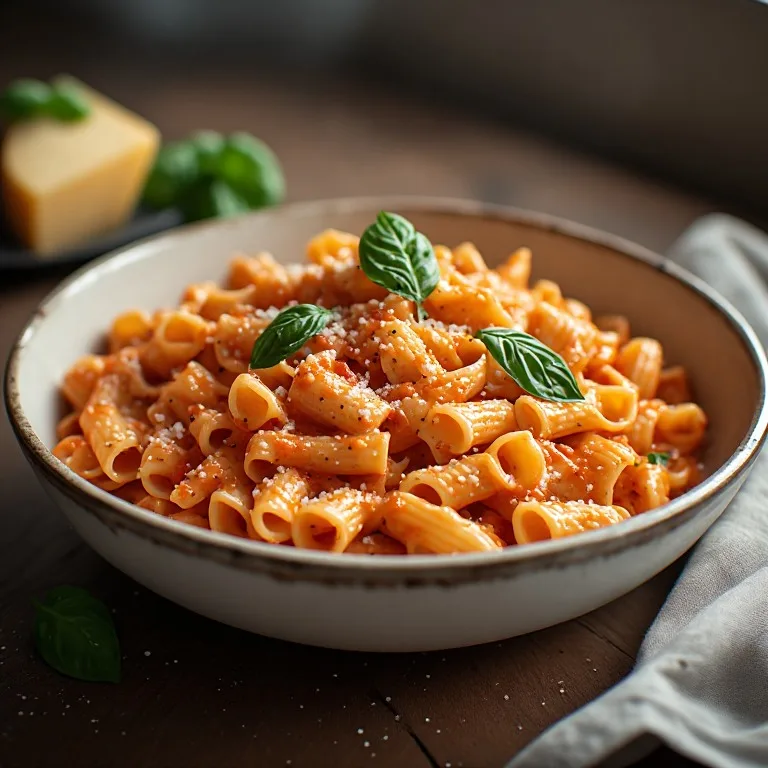
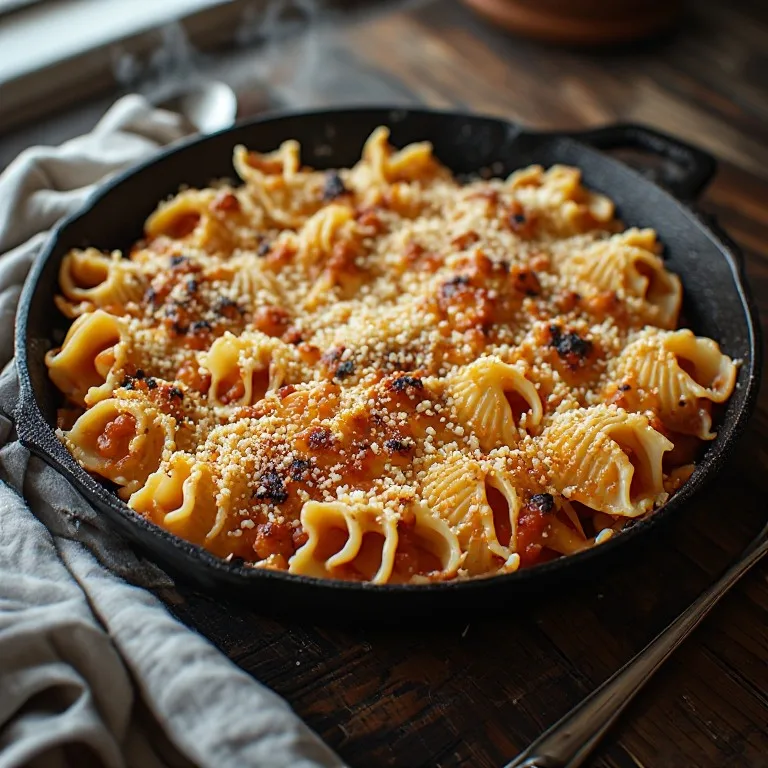
The dish: large shell pasta, a spicy vodka sauce built around ‘nduja, finished under the broiler until the top is charred and crunchy. That last step — the broil — is what makes it a distinct thing rather than a good version of something common.
The ‘Nduja Difference
Most vodka pasta uses Calabrian chili paste for its heat. The Herman uses ‘nduja — spreadable Calabrian pork salami — and the difference is significant.
‘Nduja melts when it hits a hot pan. Within minutes, the fat renders completely and emulsifies into the olive oil, turning it vivid orange-red. The chili heat distributes evenly through that fat, coating every drop of sauce with warmth. The pork itself contributes fermented, funky depth — something between good chorizo and an aged salumi — that Calabrian chili paste alone cannot replicate.
The result is a sauce that is richer, porky, and more complex than a standard vodka cream. The tomatoes and cream round it out; the shells cup it.
Why the Broil Matters
Standard vodka pasta: sauce, pasta, toss, serve. The Herman: sauce, pasta, toss, broil, serve.
The broil step adds a layer of texture that pasta-in-sauce cannot have. The Parmesan-panko topping crisps into a crust. The edges of the pasta exposed to direct heat char slightly — the way the edges of a Detroit pizza char where the cheese meets the hot pan walls. Underneath that crust, the sauce is still creamy and hot.
When you scoop a serving, the crust breaks. Sauce floods up from underneath. The contrast between the crispy, charred top and the saucy shells below is the entire point of the dish.
Watch the broiler. Four to six minutes is the window. Pull it when you see dark spots forming at the edges of the pasta near the pan walls — burnished, not black. The difference between right and too far is 90 seconds.
Cost Comparison
| Horses | Homemade (4 servings) | |
|---|---|---|
| Per plate | ~$33 | — |
| Full batch (4 plates) | ~$132 | ~$28–30 |
| Per serving | ~$33 | ~$7 |
| Savings per plate | — | ~$26 |
The ‘nduja is the specialty item — find it at Whole Foods (Creminelli brand, in the charcuterie section), specialty Italian markets, or online. It keeps refrigerated for weeks and can be used in eggs, flatbread, roasted vegetables, or any other application where you want pork-fat-carried heat.
Tips & Variations
- The broil cannot be skipped or done ahead. The whole textural point of The Herman is the charred, crunchy top. It forms under the broiler in 4 to 6 minutes and does not hold. Serve immediately from the skillet.
- Andouille variation. Some early descriptions of The Herman mention Andouille sausage rather than ‘nduja — the dish may have evolved over the restaurant’s run, or different locations used different sausages. If you want the Andouille version: dice 4 oz of andouille, sauté until lightly browned before the onion goes in, then proceed with 2 tablespoons Calabrian chili paste in place of the ‘nduja. The sauce is less silky (chunkier andouille vs. fully melted ‘nduja) but very good.
- Cast iron is strongly preferred. Cast iron retains heat better than stainless and the broil is more uniform. It also means the pasta stays hot on the table longer, which matters for a baked pasta.
- Scale to a 9x13 baking dish for a crowd. Double the recipe, toss the pasta and sauce in a pot, transfer to a ceramic 9x13 dish, top generously with the Parmesan-panko mixture, and broil. More surface area means more crust, and guests can scoop what they want. Add 1 to 2 extra minutes under the broiler for the larger surface.
- Smoked mozzarella addition. Some versions add torn smoked mozzarella under the breadcrumb topping — it melts into the pasta and adds pull when you scoop. Not traditional to The Herman but excellent if you want a cheesier, stretchier result.
Storage & Reheating
The Herman does not keep well once assembled and broiled. The crust softens overnight and the shells absorb the sauce, leaving the pasta heavy and dry.
If you want to make it ahead: cook the sauce (up to 3 days in advance), refrigerate. When ready to serve, cook the pasta fresh, toss in the reheated sauce with a splash of pasta water, and broil immediately. Five minutes of active cooking before the broil step — worth it.
More Restaurant-Famous Pastas Made at Home
- Copycat Carbone Spicy Rigatoni Vodka — the Greenwich Village Italian-American iconic rigatoni with brick-red caramelized tomato paste and Calabrian chili
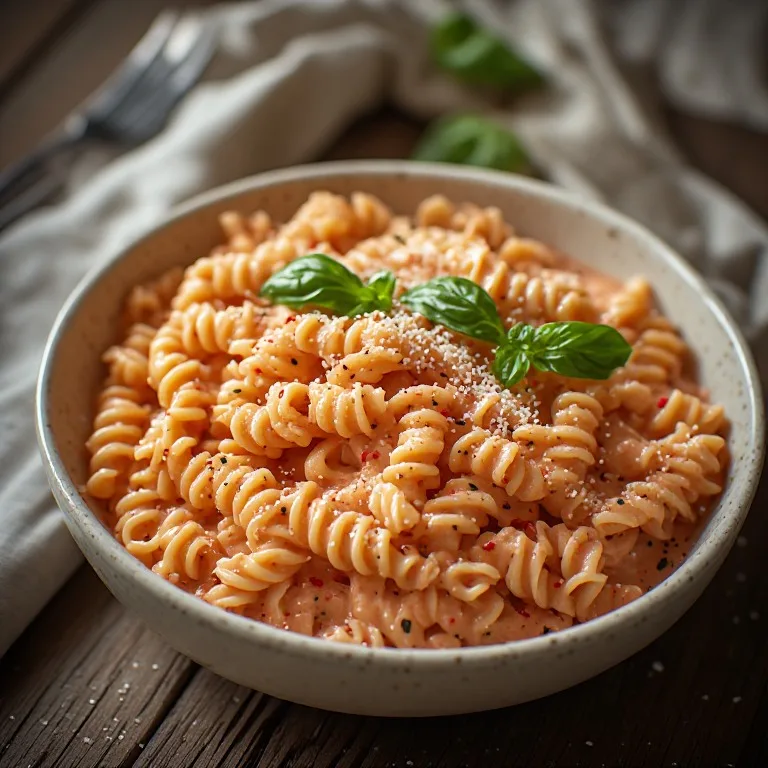
- Copycat Jon & Vinny’s Spicy Fusilli — the Fairfax Italian-American version: sweet sausage, fennel, and vodka cream with Grana Padano
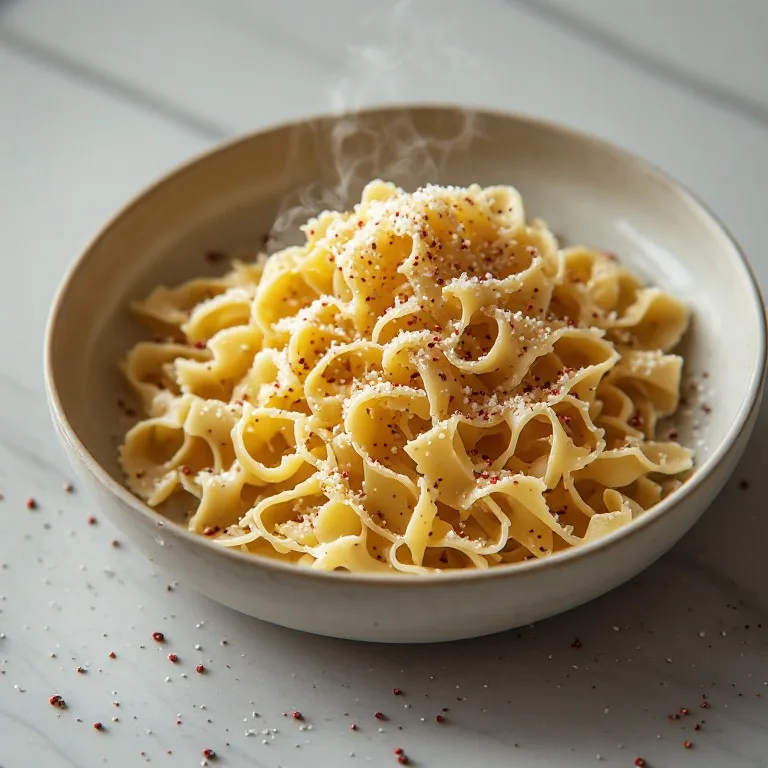
- Copycat Lilia Mafaldine with Pink Peppercorn — Missy Robbins’s iconic Williamsburg pasta: brown butter, sheep’s milk cheese, pink peppercorn
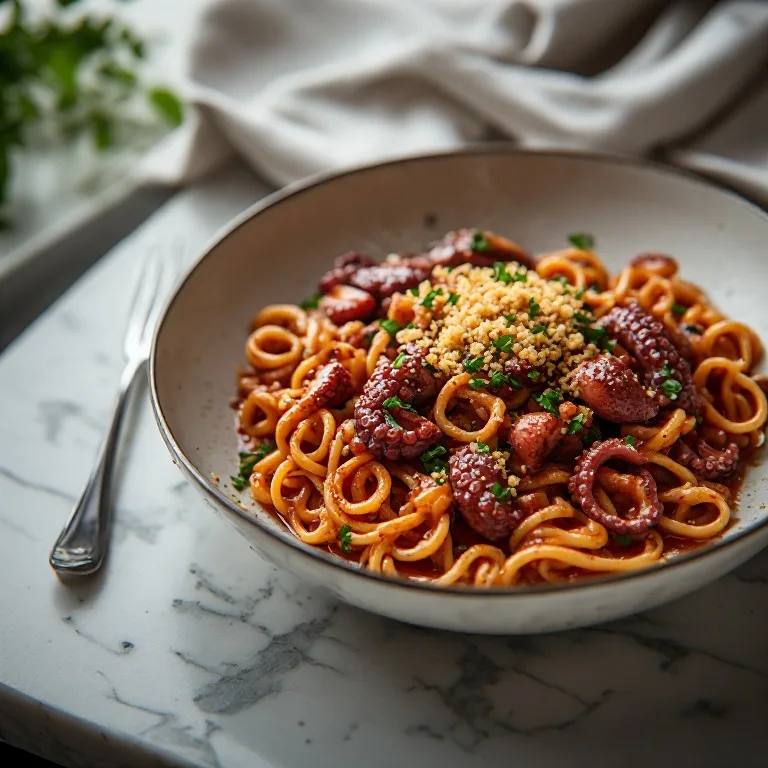
- Copycat Marea Fusilli with Octopus and Bone Marrow — the Central Park South restaurant’s most talked-about pasta