Pin It

Copycat Maggiano's Linguine alle Vongole (Clams in White Wine-Butter Sauce)

Copycat Maggiano's Linguine alle Vongole (Clams in White Wine-Butter Sauce)
Jump to Recipe
Prep 20 min Cook 25 min Serves 2
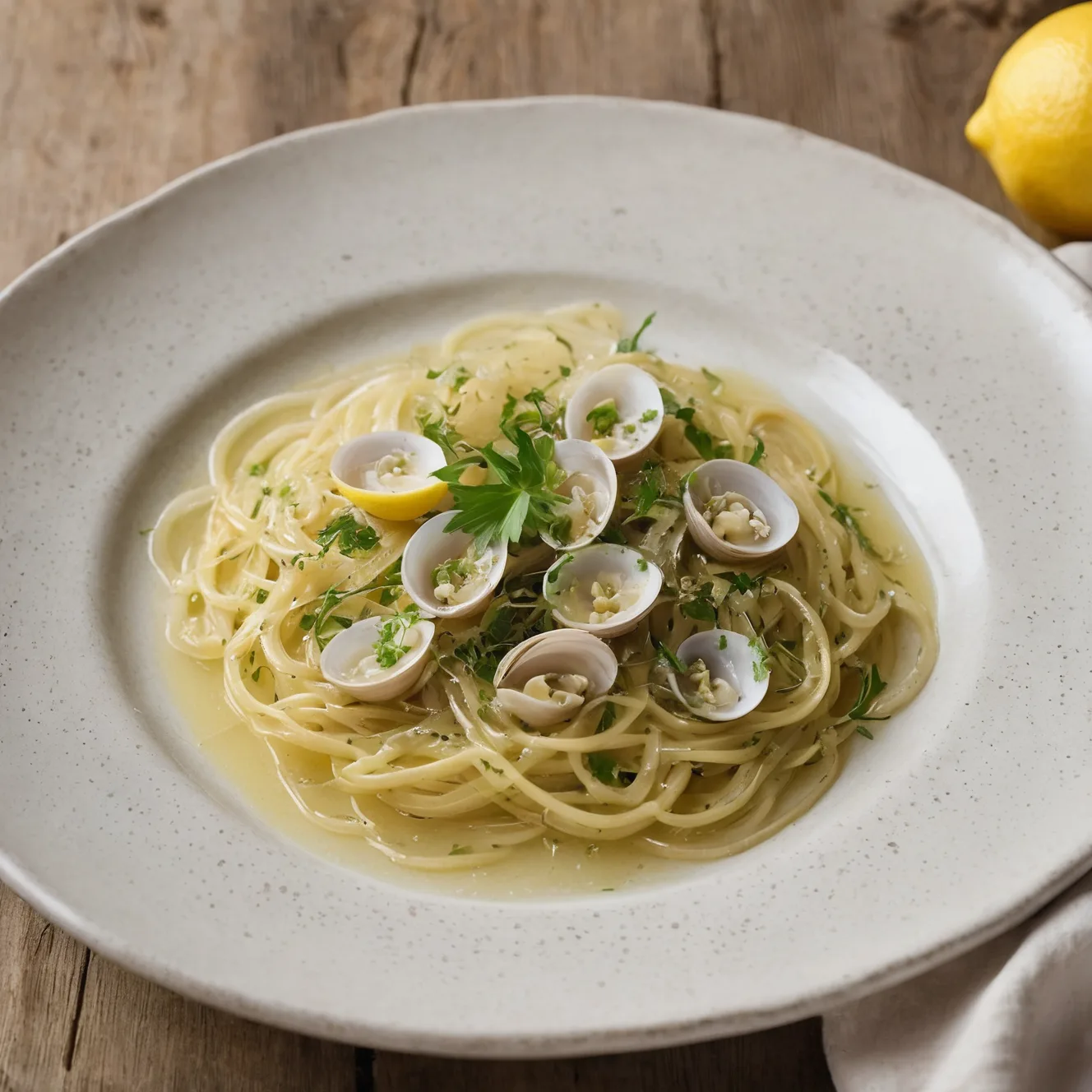
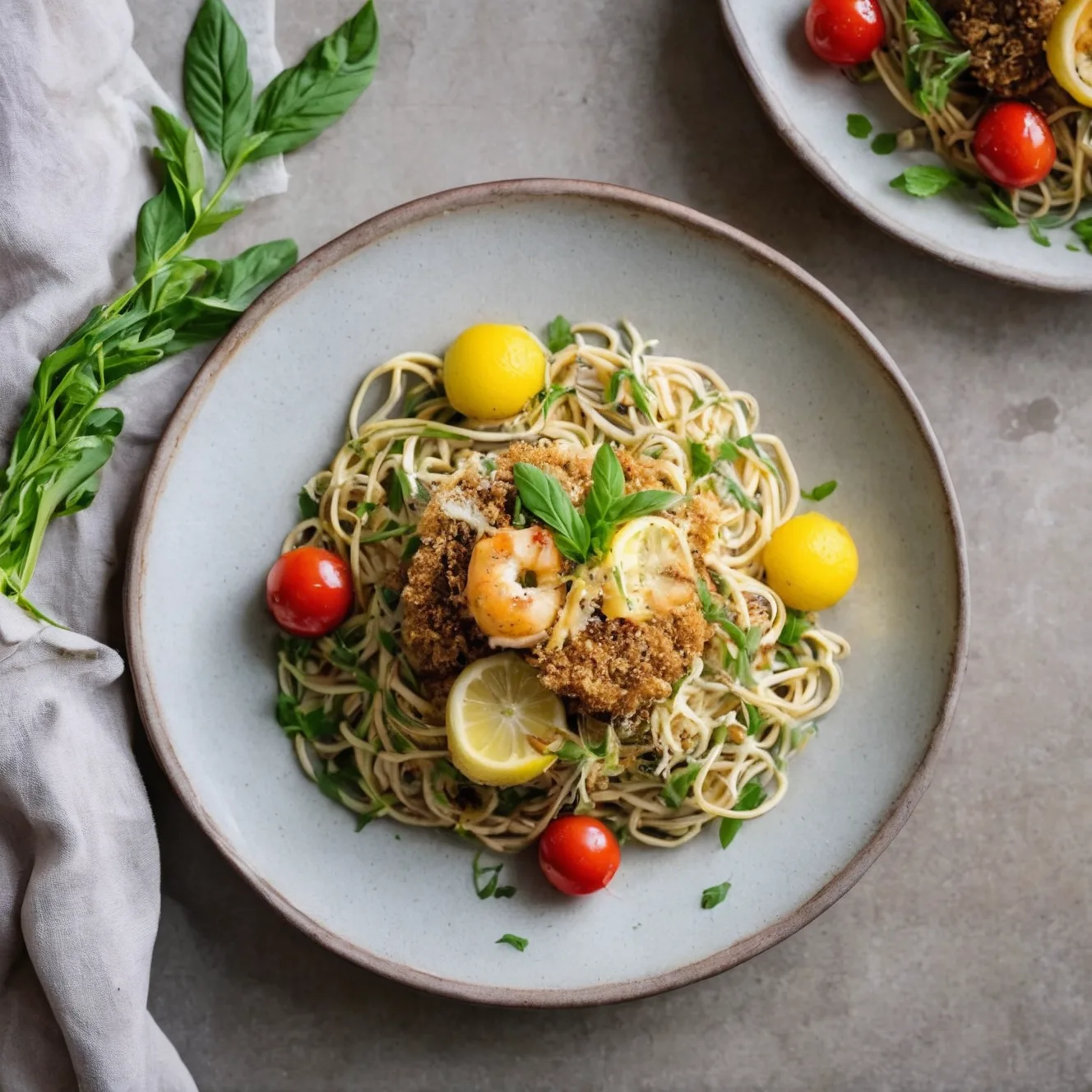
Quick answer: Maggiano's Linguine alle Vongole is linguine tossed with fresh clams — steamed open in dry white wine and garlic — in a broth-based butter sauce finished with fresh parsley, basil, a squeeze of lemon, and a handful of Parmesan. The restaurant plate runs approximately $33–35 and 1,500 calories. The dish is made in about 25 minutes once the clams are scrubbed and the pasta water is boiling. The technique the recipe is built around: the clam liquor released when the clams open in the pan IS the sauce. Every bit of that briny, wine-infused liquid goes directly onto the pasta — none of it is drained or discarded. Finishing the pasta in the pan (rather than saucing it separately) allows the starch from the cooking water to bind the oil and wine into a glossy, cohesive sauce that clings to the linguine instead of pooling at the bottom of the bowl.

Copycat Maggiano's Linguine alle Vongole (Clams in White Wine-Butter Sauce)

Maggiano's Linguine alle Vongole is linguine with fresh clams in a white wine-butter-garlic sauce — a quieter dish than their spicy Linguine di Mare, but harder to get right. Restaurant plate is ~$33–35 and 1,500 calories. The critical detail most home cooks miss: finish the pasta directly in the pan with the clam liquor and pasta water — that liquid is the sauce.

Medium Prep: 20 min Cook: 25 min Total: 45 min2 servings ~$4.50/serving
Prep20 min
Cook25 min
Total45 min
Servings
2
At home~$4.50/serving
vs
Restaurant~$20.25/serving
You save ~78%

Ingredients

Instructions

💡
Pro tip: This recipe tastes even better the next day. The flavors need time to meld together in the fridge.
❄️
Storage: Keeps in an airtight container in the fridge for up to 2 weeks. Freezer-friendly for up to 3 months.
~350-550 cal/serving · Rich & Indulgent🔥

The Story Behind the Recipe

Why This Dish Is Harder Than It Looks

Linguine alle Vongole looks simple — it is, in a sense. But simple Italian dishes expose every mistake immediately because there is nothing to hide behind. Get the garlic golden instead of just soft and the entire sauce turns bitter. Let the clam liquor cook off before adding the pasta and you have an under-sauced dish with chewy noodles and no depth. Drain the pasta into a colander and sauce it separately and the starch the pasta releases goes down the drain with it.

The dish is built on three things happening in sequence: (1) garlic and wine building the flavor base, (2) the clams opening and releasing their liquor into that base, and (3) the pasta finishing its cooking in that liquid, releasing starch as it goes, which binds everything together. Miss any step and the dish is technically correct but falls short of what the restaurant serves.

TL;DR: Fresh clams steamed in white wine and garlic, over linguine, finished with butter, herbs, and Parmesan. Restaurant plate ~$33–35 and 1,500 calories. The clam liquor IS the sauce — never discard it. Finish the pasta in the pan.


The Clam Liquor Is Everything

When a littleneck clam opens in a hot, covered pan, it releases up to two tablespoons of natural liquid — pure concentrated brine, filtered by the clam from the water it lived in. For a pan of 24 clams, that is up to three cups of free, intensely flavored liquid that requires no seasoning because the ocean already did it.

This is why the dish needs very little salt and why canned clams produce a noticeably flatter result: you cannot replace naturally released clam liquor with a bottle of clam juice. The bottled version is a pale simulation — salt-forward without the mineral depth of fresh-released brine.

Protect the liquor at every stage. Do not lift the lid while the clams are steaming — every time you open the lid, steam escapes and the liquor evaporates. Do not drain the clams into a colander — the liquid goes down the drain. Do not transfer the clams to a bowl — the juices collected in each open shell drip off and are lost. Cook everything in the same pan, finish the pasta in the same pan, and serve immediately.

Garlic: Sliced, Not Minced

The choice between sliced and minced garlic is not cosmetic in this dish. Sliced garlic cooks gently in olive oil at medium heat, turning mellow and slightly sweet over 2–3 minutes — it becomes almost jammy by the time the wine goes in, and contributes a rounded, pervasive garlic flavor through the sauce. Minced garlic cooks much faster and browns easily, producing sharp heat and bitterness if the heat is even slightly too high.

Alle vongole is a delicate dish. The garlic should flavor the sauce rather than dominate it. Sliced garlic, cooked low and slow, is how restaurant versions consistently produce that background garlic sweetness rather than a garlic punch.

Finishing in the Pan (Mantecare)

The Italian technique of tossing pasta in its sauce over heat — called mantecare — is the step that separates a restaurant pasta from a home pasta. When the linguine goes into the pan with the clam liquor, pasta water, and wine, two things happen: (1) the pasta finishes its last 2 minutes of cooking directly in the sauce, absorbing some of its flavor, and (2) the starch the pasta releases into the liquid emulsifies the fat and water into a glossy, cohesive coating that clings to the noodles rather than pooling under them.

To mantecare correctly, the heat stays at medium, you add pasta water a few tablespoons at a time as the starch takes up the liquid, and you toss continuously with tongs. The goal is a sauce that is saucy but not soupy — it should coat the linguine evenly and leave a small pool of broth at the bottom of the bowl, not a puddle. This takes about 90 seconds of active tossing. It is the most important 90 seconds of the entire recipe.

The Parmesan Question

Classic Italian alle vongole contains no cheese — adding Parmesan to a seafood pasta is considered a serious mistake in Italian regional cooking, where the rule is that dairy does not belong with fish or shellfish. Maggiano’s is an American restaurant and includes Parmesan as a finishing element because it rounds the sauce and adds umami richness.

Both versions are valid. If you want the traditional Italian preparation, omit the Parmesan entirely — the dish is complete without it and arguably cleaner. If you want the Maggiano’s version, stir it in off the heat, where it disperses into the sauce without becoming gummy.

More Maggiano’s and Seafood Pasta Recipes

See all Maggiano’s copycat recipes →
Nutrition Facts

Per serving (2 servings)
Calories1500
Total Fat72g
Total Carbs152g
Protein64g
Sodium2170mg

* Estimated values based on standard recipe preparation. Actual values may vary.

🥗

Make It Healthier

Love Maggiano's Linguine alle Vongole (Clams in White Wine-Butter Sauce) but want a lighter version? Try these simple swaps:

  • Clams are one of the most nutritious proteins in this dish — a 3.5 oz serving of cooked clams delivers about 148 calories and 25g of protein, and clams are among the most iron- and vitamin-B12-dense foods you can eat (a serving covers well over the full daily value of both). The dish earns most of its calorie total from the olive oil, butter, and pasta portions. Using 2 tablespoons of olive oil (rather than 3) and 1 tablespoon of butter (rather than 2) reduces the sauce richness noticeably but keeps the dish from tipping into heavy. Finish with a good drizzle of high-quality extra-virgin olive oil rather than cooking with more.
  • Whole wheat linguine works here because the garlic-wine broth is flavorful enough to pair with the nuttier pasta flavor. It adds 2–3g of fiber per serving and digests more slowly. Cook it to the lower end of the package time — whole wheat pasta softens faster than it seems.
  • The sodium in this dish comes almost entirely from the clams themselves, which are naturally high in salt. Do not add salt to the pasta sauce — season only the pasta water. With the clam liquor doing the seasoning work, additional salt makes the dish unpalatably briny. Taste before serving and add only a small pinch at the end if needed.

Equipment You'll Need

Large wide skillet or Dutch oven (12-inch minimum)

The pan needs to fit 24–28 clams in a single layer to steam them evenly; a too-small pan steams them in uneven batches

Tight-fitting lid

The lid is not optional — trapped steam is what forces the clams to open in 4–6 minutes; without it they take twice as long and the liquor evaporates

Tongs

For tossing the linguine with the open clams without dislodging the meat from the shells

Large pasta pot

At least 6 quarts; linguine needs room to move or it cooks unevenly and sticks

Frequently Asked Questions

How is Maggiano's Linguine alle Vongole different from their Linguine di Mare?

The two dishes are completely different in profile and complexity. Linguine di Mare packs four seafood proteins — lobster, shrimp, mussels, and clams — into a bold, spicy tomato sauce with crushed red pepper; it is a rich, assertive dish that runs about $36.50 and 1,390 calories. Linguine alle Vongole is a single-protein pasta — clams only — in a white wine-butter broth with garlic, parsley, and basil; it is lighter, more delicate, and built around the clean brine of the clams rather than a tomato base. The alle Vongole runs around $33–35 and 1,500 calories for a restaurant portion, per Maggiano's official nutrition guide (the higher calorie count versus di Mare reflects the butter-olive oil richness; the lower price reflects fewer costly proteins). If you want a showpiece seafood platter, choose di Mare. If you want a dish where the clams themselves are the entire point, choose alle Vongole.

What type of clams does Maggiano's use in Linguine alle Vongole?

Maggiano's uses fresh clams served shell-on — the traditional preparation for this dish in both Italian and Italian-American restaurants. The most practical substitute at home is littleneck clams, which are small (1.5–2 inches across), reliably available, and open cleanly in about 4–6 minutes over high heat. Smaller clams have more flavor per bite than large cherrystones because the meat-to-shell ratio is better. Manila clams work equally well and cook slightly faster. Buy them the day you plan to cook, check that they smell of the sea (not of ammonia), and discard any with cracked shells or open shells that don't close when tapped — those are dead. Soak them in cold, lightly salted water for 20 minutes before cooking to purge any remaining grit.

Can I use canned clams instead of fresh?

Yes — the dish works with two 6.5-oz cans of chopped or minced clams, supplemented with an 8-oz bottle of clam juice to replace the natural liquor that fresh clams release. This is the pantry version of the recipe and produces a genuinely good white clam pasta, though it lacks the dramatic shell presentation and the intensely fresh brine of the restaurant dish. With canned clams, add the drained clams and clam juice directly to the cooked garlic and wine base; simmer 2 minutes, then toss with the pasta. Do not cook canned clams for longer or they turn rubbery. The fresh version costs more and requires more prep, but the flavor difference is substantial — the restaurant uses fresh clams because the liquor they release during steaming is the entire base of the sauce.

What wine should I use?

Use a dry white wine with enough acidity to hold up to the garlic and clam brine — Pinot Grigio, Sauvignon Blanc, or unoaked Chardonnay all work well. The wine should be something you'd drink; avoid anything labeled 'cooking wine,' which has added salt and preservatives that produce off flavors. You need only half a cup (roughly two-thirds of a standard pour), so one bottle serves both the recipe and the cook. If you prefer not to use alcohol, substitute an equal amount of low-sodium chicken broth plus a teaspoon of white wine vinegar — the result is slightly less complex but still good.

Why does Maggiano's Linguine alle Vongole have Parmesan in a clam dish?

Traditional Italian alle vongole is a no-cheese dish — the hard rule in Italian cooking that you never add Parmesan to seafood pasta. Maggiano's is an Italian-American restaurant, not an Italian one, and its version adds Parmesan as a finishing element because it rounds out the sauce and adds richness that the American palate expects. The Parmesan is not melted into the sauce but stirred in at the end, off the heat, so it stays faintly grainy and provides texture. If you want the traditional Italian approach, omit it entirely — the dish is complete without it. If you want the restaurant version, add it. Both are correct depending on which dish you're trying to replicate.

How many calories are in Maggiano's Linguine alle Vongole?

1,500 calories per restaurant serving, according to Maggiano's official dining-room nutrition guide, with 72g fat, 152g carbohydrates, 64g protein, and 2,170mg sodium. That figure reflects the full restaurant portion — a single plate that is more than most home recipes would serve to one person. The calorie total comes primarily from the combination of extra-virgin olive oil, butter, pasta, and Parmesan; the clams themselves contribute very little fat and are high in lean protein. At home, dividing this recipe into four servings (rather than two restaurant-sized plates) yields roughly 400–450 calories per plate, depending on how much olive oil and butter you use to finish the sauce.

What does 'alle Vongole' mean?

Alle Vongole is Italian for 'with clams' — vongola (singular) or vongole (plural) is the Italian word for clam, specifically the small Venus clams (vongole veraci) that are traditional to the dish in Italy. In Italian coastal cooking, pasta alle vongole is one of the foundational seafood pastas — as essential as spaghetti al pomodoro — and is typically served with the clams in their shells in a white wine and olive oil sauce. The dish originated in Naples and Campania and has been on Italian tables for centuries. Maggiano's Linguine alle Vongole is the American-Italian interpretation: the same structure of clams, white wine, garlic, and pasta, with the restaurant's additions of butter, Parmesan, and fresh basil alongside the traditional parsley.

Love this recipe? Share it!

Shop the tools

Gear matched to this recipe's equipment list. We may earn a small commission if you buy through these links — at no extra cost to you.

As an Amazon Associate, Copycat Spices earns from qualifying purchases.

Free PDF: our 12 most-wanted copycat recipes — instant download.

Ratings & Reviews

No ratings yet

Rate this recipe

Click a star to rate

Leave a Review

0/500

CS

Copycat Spices Test Kitchen

Every recipe on Copycat Spices is developed and tested in our home test kitchen. We reverse-engineer beloved restaurant dishes and refine each one until the flavors and the instructions work reliably for home cooks of all skill levels.

Learn more about our mission →