Pin It

Olive Garden Famous House Salad

Olive Garden Famous House Salad
Jump to Recipe
Prep 15 min Cook 0 min Serves 6
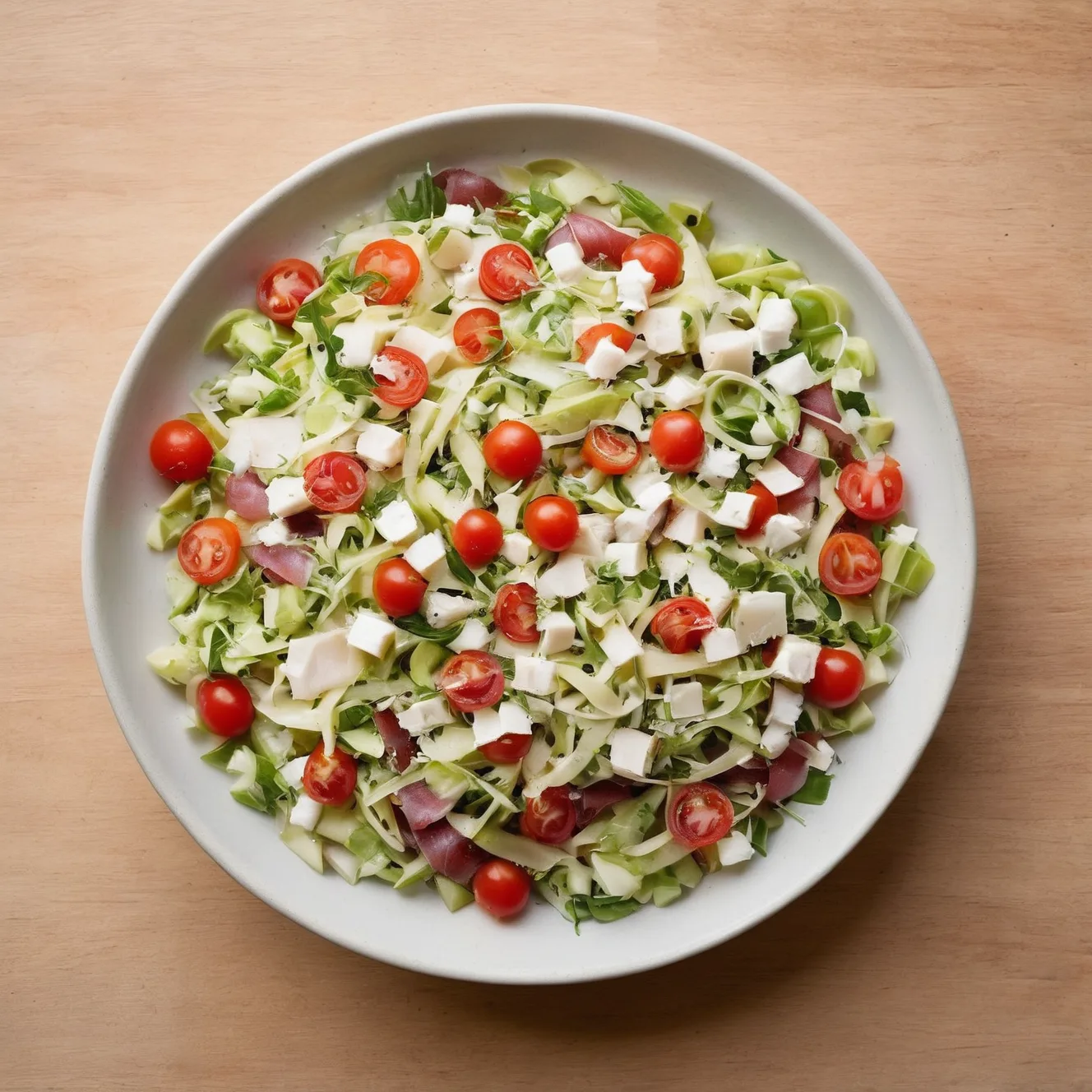
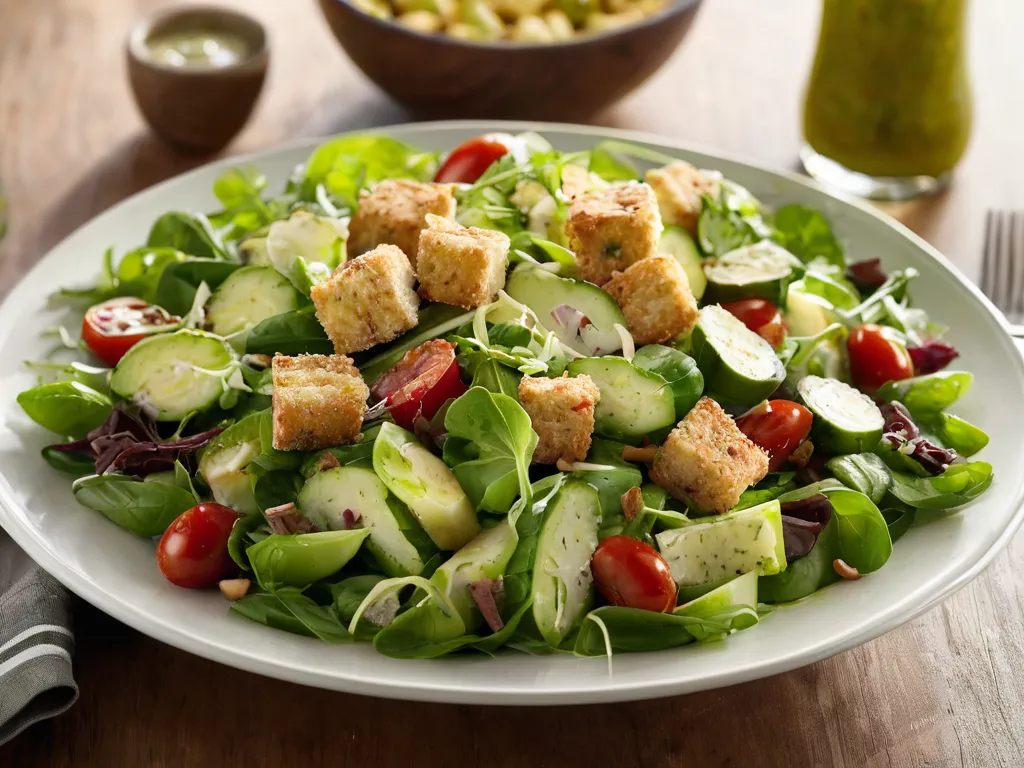
Quick answer: Olive Garden's house salad is a four-component garden mix — romaine, iceberg, matchstick carrots, and shredded purple cabbage — topped with halved grape tomatoes, drained red onion rings, sliced canned black olives, whole pepperoncini, and garlicky croutons. Dress generously with the signature Italian dressing right before serving; never in advance. The dressing uses Romano cheese (not Parmesan), distilled white vinegar (not red wine), and vegetable oil (not olive oil) — those three swaps are what make it taste like the restaurant.

Olive Garden Famous House Salad

Recreate Olive Garden's bottomless house salad at home: the right four-component lettuce mix, whole pepperoncini, halved grape tomatoes, and a Romano-based Italian dressing with distilled white vinegar and a mayo emulsifier — not red wine vinegar, not Parmesan, and never pre-dressed.

Easy Prep: 15 min Cook: 0 min Total: 15 min6 servings ~$4.50/serving
Prep15 min
Cook0 min
Total15 min
Servings
6
At home~$4.50/serving
vs
Restaurant~$20.25/serving
You save ~78%

Ingredients

Instructions

💡
Pro tip: This recipe tastes even better the next day. The flavors need time to meld together in the fridge.
❄️
Storage: Keeps in an airtight container in the fridge for up to 2 weeks. Freezer-friendly for up to 3 months.
~250-450 cal/serving · Rich & Indulgent🔥

The Story Behind the Recipe

Olive Garden Famous House Salad

The Olive Garden house salad is the reason most people arrive early — served unlimited with breadsticks before every meal, it’s hard to stop at one bowl. Crisp lettuce, a tangy Romano-based dressing, briny olives, the heat-and-acid kick from whole pepperoncini, and croutons that somehow don’t get soggy fast enough — it’s a combination that’s made this one of the most recognized restaurant salads in America.

The version most people make at home falls short in the same few places. The lettuce mix is wrong, the dressing uses the wrong vinegar or the wrong cheese, and the salad gets dressed too early. Fix those three things and the result is almost identical to the restaurant.

TL;DR

Build the base from four components: romaine, iceberg, matchstick carrots, and shredded purple cabbage — not just iceberg. Dressing: distilled white vinegar (not red wine), Romano cheese (not Parmesan), vegetable oil (not olive oil), and a tablespoon of mayo to emulsify. Top with halved grape tomatoes, drained red onion soaked 10 minutes in cold water, sliced canned black olives, and whole pepperoncini. Dress generously and immediately before serving. About $3–4 per batch to make at home versus $10–12 for the unlimited Soup, Salad & Breadsticks combo at the restaurant.

What Most Copycat Recipes Get Wrong

The lettuce mix. Olive Garden doesn’t serve iceberg-only. The restaurant uses a four-component blend: romaine, iceberg, matchstick carrots, and shredded purple cabbage — available pre-bagged as “Garden Salad Mix” or “Italian Salad Mix” at most grocery stores. Romaine provides flavor and structure; iceberg provides crunch; carrots add sweetness and color; purple cabbage adds a mild peppery note. Iceberg-only versions taste flat by comparison.

The dressing’s acid and cheese. The bottled Olive Garden Signature Italian dressing — sold at grocery stores and made to the restaurant formula — uses distilled white vinegar, not red wine vinegar, and Romano cheese, not Parmesan. Red wine vinegar is sharper and more complex, which sounds better but actually makes the dressing taste different from the restaurant. Romano has a more assertive, salty bite than Parmesan; it’s what gives the dressing its distinctive edge. Both swaps matter.

Pre-dressing. Olive Garden tosses the salad to order at the table. Dressed 10 minutes early, the iceberg goes limp and the romaine softens. Dress immediately before serving — that is the only rule that matters for texture.

The Dressing: Romano, Distilled Vinegar, a Touch of Sweet

The Olive Garden dressing formula, from the retail bottle label:

  • Soybean oil (not olive oil — olive oil’s bitterness competes with the herbs)
  • Distilled white vinegar (more neutral than red wine; lets the cheese and herbs dominate)
  • Romano cheese (sharper and saltier than Parmesan; the ingredient that makes it taste like Olive Garden)
  • Egg (in the bottle; at home, a tablespoon of mayonnaise provides the same lecithin emulsification)
  • Sugar, plus a little dextrose (the dressing is noticeably sweeter than most Italian vinaigrettes — don’t undershoot the sugar)
  • Dehydrated garlic and a savory spice blend (the label reads “spice” and “natural flavor”; the classic profile that reads as “Olive Garden” is garlic, oregano, and basil)

Make it at least 30 minutes before serving — the Romano needs time to partially dissolve into the oil and the herbs need to bloom. After 30 minutes the flavor is noticeably rounder and more cohesive than fresh-shaken. The dressing keeps up to 2 weeks refrigerated; shake before each use.

The Red Onion Trick

Raw red onion sliced straight into the bowl can overwhelm everything else. Soaking sliced rings in cold water for 10 minutes removes the sulfur compounds responsible for raw onion’s eye-stinging sharpness while preserving the flavor and color. Drain well and pat dry before adding. This is standard restaurant prep — cooks soak red onion before service specifically to keep the salad balanced across hundreds of bowls.

Serving It Olive Garden Style

Olive Garden serves the salad in a large bowl family-style and refills it throughout the meal. At home:

  • Chill the bowl. 15 minutes in the freezer before serving keeps the iceberg colder and crunchier through the meal.
  • Dress generously. About 1/2 cup for a 6-person salad is right. Olive Garden is heavy-handed with dressing — every leaf should glisten.
  • Add croutons last. Toss the salad with dressing first, then add croutons and the finishing Romano on top so they stay crispy at the table.
  • Pre-build the second bowl. Keep undressed lettuce and toppings in the refrigerator and dress on demand for refills.
More Olive Garden at Home

The house salad is how every Olive Garden meal begins. Here’s what comes next:

See all Olive Garden copycat recipes →
Nutrition Facts

Per serving (6 servings)
Calories210
Total Fat16g
Total Carbs14g
Dietary Fiber3g
Sugars5g
Protein4g
Sodium560mg

* Estimated values based on standard recipe preparation. Actual values may vary.

🥗

Make It Healthier

Love Olive Garden Famous House Salad but want a lighter version? Try these simple swaps:

  • Reduce dressing to 1/3 cup for the full batch — the salad is still generously coated but saves about 40 calories per serving.
  • Skip the croutons or use a small handful per bowl — saves 40–60 calories and about 100mg sodium per serving.
  • Use low-sodium black olives (widely available, nearly identical taste) to save about 80mg sodium per serving.
  • In the dressing, reduce oil to 6 tablespoons and add 1 extra tablespoon of water — the mayo still emulsifies it and the texture difference is minimal.

Equipment You'll Need

Large salad bowl (chilled)

Olive Garden pre-chills their salad bowl — 15 minutes in the freezer makes a noticeable difference for the iceberg crunch

Pint mason jar with lid

The easiest vessel for shaking and storing the dressing; shake to re-emulsify before each use

Microplane or fine box grater

For grating Romano finely enough that it dissolves into the dressing without clumping

Tongs or two large spoons

For tossing the salad from the bottom up so the dressing coats every layer

Frequently Asked Questions

What lettuce does Olive Garden actually use in their house salad?

A four-component garden mix: romaine, iceberg, matchstick carrots, and shredded purple cabbage. Many copycat recipes call for iceberg only, which produces a crunchier but flavor-flat result. Romaine is the flavor and structure backbone; iceberg is the crunch; carrots add sweetness and color; purple cabbage adds a mild peppery note. At home, a pre-bagged 'Garden Salad Mix' or 'Italian Salad Mix' is the closest shortcut — add extra romaine to boost the flavor component.

What vinegar does Olive Garden use in their Italian dressing?

Distilled white vinegar — confirmed on the ingredient label of the bottled Olive Garden Signature Italian dressing sold at grocery stores. Many copycat recipes call for red wine vinegar, which produces a sharper, more complex dressing that tastes close but noticeably off from the original. Distilled white vinegar is more neutral and lets the Romano cheese and Italian herbs dominate. The bottled dressing is also sweeter than most homemade Italian vinaigrettes — sugar is its fourth ingredient by weight, which accounts for the mild, crowd-pleasing quality.

Does Olive Garden use Romano or Parmesan in their Italian dressing?

Romano — it appears by name on the ingredient label of the bottled Olive Garden Signature Italian dressing. Romano has a sharper, saltier, more assertive flavor than Parmesan; that edge is what makes the dressing taste distinctly Italian steakhouse rather than generic. Many copycat recipes default to Parmesan because it's more available, but the result is noticeably milder. Grate Romano on the finest setting so it dissolves into the dressing rather than sitting in chunks. The finishing cheese grated over the salad at the table is often Parmesan in practice, but Romano is more accurate.

Should the pepperoncini be whole or sliced?

Whole. Olive Garden serves pepperoncini whole — nestled into the salad bowl so they're visible but easy to avoid if a guest doesn't want heat. Sliced pepperoncini distributes more brine and heat throughout the salad and is harder for heat-averse diners to pick out. Whole pepperoncini are mild to medium heat (100–500 Scoville), much less sharp than jalapeño, but the vinegar brine adds a tangy punch that balances the richness of the dressing.

Can I use the bottled Olive Garden dressing instead of making it?

Yes — the bottled Olive Garden Signature Italian dressing sold at major grocery stores for about $4–5 per 16-ounce bottle tastes very close to the restaurant version. It uses the same Romano cheese, distilled vinegar, and soybean oil formula. The bottled version is shelf-stable because it uses xanthan gum as a stabilizer and preservatives like calcium disodium EDTA; the homemade version uses mayo as the emulsifier instead of egg and xanthan gum. Either works. If using the bottle, shake it well and use about 1/2 cup for a 6-serving salad — apply the same generous, just-before-serving rule.

How do I recreate the unlimited salad experience at home?

Prep double the component quantities, keep the undressed lettuce mix and toppings refrigerated in a covered bowl, and make a full jar of dressing (this recipe makes about 3/4 cup). When the first bowl runs out, dress the second batch from the refrigerator. That's exactly what Olive Garden does — the salad bowls are pre-built and chilled; they just toss with dressing when you order. The hard rule: never pre-dress. Dressed salad wilts within 5–10 minutes and cannot be recovered.

What are the biggest mistakes when making the Olive Garden salad at home?

Three that matter most: (1) Using only iceberg — the restaurant mix has four components, and iceberg-only tastes flat. (2) Wrong vinegar — distilled white, not red wine; red wine vinegar makes the dressing taste sharper and noticeably different from the restaurant version. (3) Pre-dressing — Olive Garden tosses to order; dressing 15 minutes early produces soggy, limp lettuce. Fixing these three makes the home version essentially indistinguishable from the restaurant bowl.

Love this recipe? Share it!

Shop the tools

Gear matched to this recipe's equipment list. We may earn a small commission if you buy through these links — at no extra cost to you.

As an Amazon Associate, Copycat Spices earns from qualifying purchases.

Free PDF: our 12 most-wanted copycat recipes — instant download.

Ratings & Reviews

No ratings yet

Rate this recipe

Click a star to rate

Leave a Review

0/500

CS

Copycat Spices Test Kitchen

Every recipe on Copycat Spices is developed and tested in our home test kitchen. We reverse-engineer beloved restaurant dishes and refine each one until the flavors and the instructions work reliably for home cooks of all skill levels.

Learn more about our mission →