


Pin It

Rao's Eggplant Parmigiana

Rao's Eggplant Parmigiana
Jump to Recipe
Prep 30 min (plus 1 hr salting) Cook 35 min Serves 6
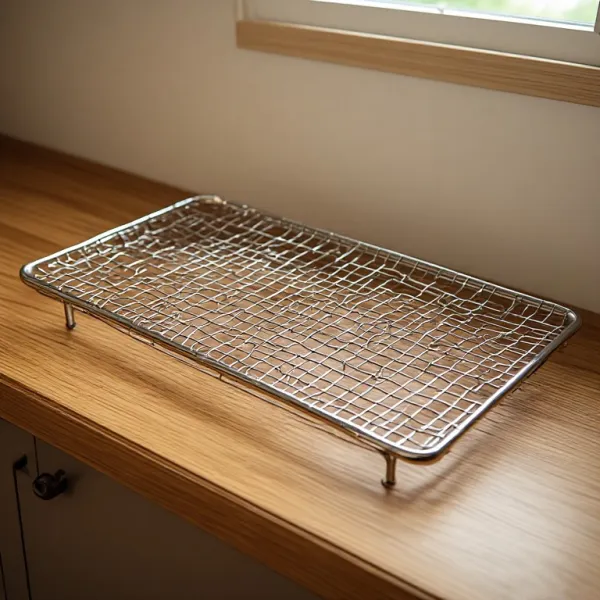
Quick answer: Slice 2 large eggplants (about 2¼ lbs total) into ¼-inch rounds, arrange on a rack or in a colander, and salt generously on both sides. Let them rest for 1 hour, then rinse off the salt and press each slice firmly between paper towels until nearly dry. Set up a breading station: flour in one shallow dish, 2 beaten eggs in another, and fine Italian breadcrumbs mixed with ¼ cup grated Parmigiano-Reggiano in a third. Dredge each eggplant slice in flour, shake off the excess, dip in beaten egg, then coat in the Parmigiano breadcrumbs. Heat ¼ inch of good olive oil in a heavy skillet over medium-high heat. Fry the breaded slices in batches for 2 to 3 minutes per side until the crust is deep golden and the eggplant has softened completely; do not rush this step. Drain on a paper-towel-lined rack. Spread a thin layer of marinara over the bottom of a 9×13-inch baking dish. Arrange a layer of fried eggplant slices in a single layer over the sauce. Spoon more marinara over the slices, then scatter torn fresh mozzarella and a generous grating of Parmigiano-Reggiano. Repeat the layering — eggplant, marinara, mozzarella, Parmigiano — finishing with a final marinara layer topped only with Parmigiano (no mozzarella on top, which browns unevenly). Bake at 375°F for 25 to 30 minutes until the sauce bubbles around the edges and the top is golden. Rest for 10 minutes before serving. At Rao's, the eggplant parmigiana runs $25 to $35. This pan serves six for roughly $15 to $20 in ingredients.

Rao's Eggplant Parmigiana

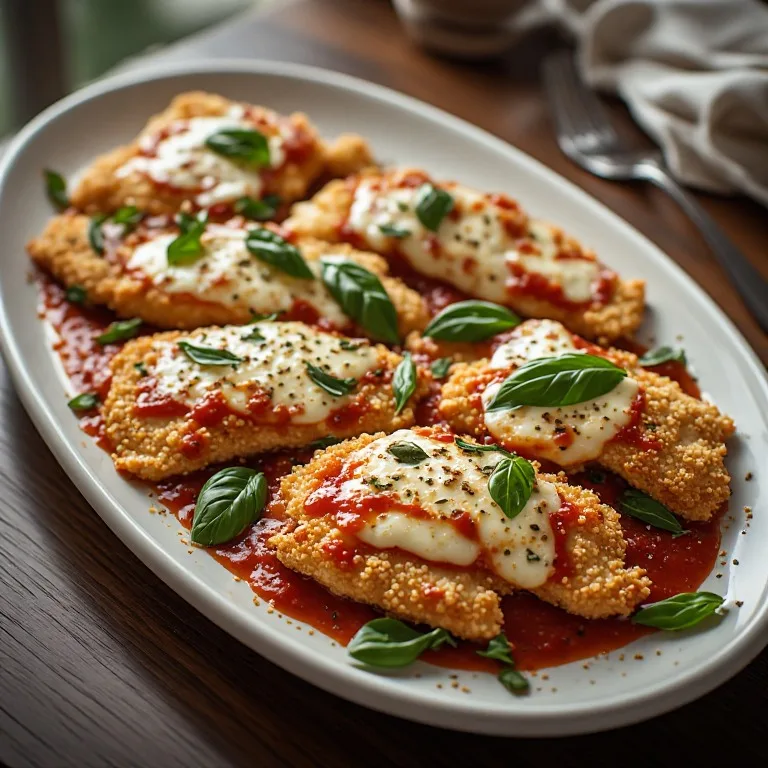
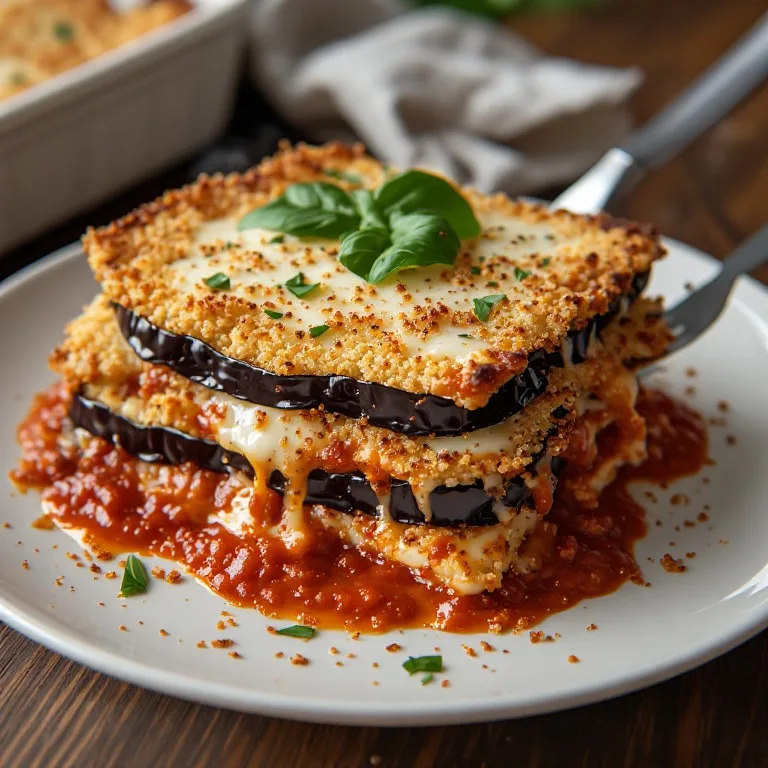
Rao's eggplant parmigiana, made at home: salted eggplant slices, lightly breaded and fried in olive oil until golden, then layered with the restaurant's famous marinara, fresh mozzarella, and Parmigiano-Reggiano and baked until the cheese bubbles. The definitive vegetarian main from the most impossible reservation in New York City.

Medium Prep: 30 min (plus 1 hr salting) Cook: 35 min Total: 2h 5m6 servings ~$4.50/serving
Prep30 min (plus 1 hr salting)
Cook35 min
Total2h 5m
Servings
6
At home~$4.50/serving
vs
Restaurant~$20.25/serving
You save ~78%

The Story Behind the Recipe

Rao's opened in 1896 at 455 East 114th Street at Pleasant Avenue in East Harlem — a Southern Italian neighborhood that shaped every dish the Pellegrino family put on the menu. Three generations later, the restaurant still cooks from the same tradition: no shortcuts on the marinara, no substitutions for fresh mozzarella, and salting the eggplant overnight is not optional. Frank Pellegrino Sr. published the family's complete recipe collection as Rao's Cookbook: Over 100 Years of Italian Home Cooking (Random House, 1998), which became one of the best-selling Italian-American cookbooks of its generation. The eggplant parmigiana sits alongside the meatballs and the lemon chicken as one of the dishes every regular knows.

The dish is deceptively simple — eggplant, breadcrumbs, cheese, tomato sauce — and the version at Rao's earns its reputation through technique and patience rather than unusual ingredients. Salting the eggplant for a full hour draws out enough moisture that the slices fry crisp rather than steam in the oil. The olive-oil fry (not a heavy batter, not a deep fryer) gives the crust a thin, delicate crunch that baking alone cannot produce. And because the marinara is Rao's own — sweet and clean, built from good canned tomatoes, olive oil, and basil — it carries the whole dish. Serve it as a vegetarian centerpiece at Thanksgiving or Christmas: it holds beautifully and reheats even better.

Nutrition Facts

Per serving (6 servings)
Calories395
Total Fat24g
Total Carbs28g
Dietary Fiber5g
Sugars9g
Protein17g
Sodium860mg

* Estimated values based on standard recipe preparation. Actual values may vary.

Ingredients

  • For the eggplant
  • For the layers

Instructions

💡
Pro tip: This recipe tastes even better the next day. The flavors need time to meld together in the fridge.
❄️
Storage: Keeps in an airtight container in the fridge for up to 2 weeks. Freezer-friendly for up to 3 months.
🦃 Free Thanksgiving cookbook — download now The Copycat Thanksgiving Cookbook A ready-made, photo-illustrated PDF of our best thanksgiving copycat recipes — free to download, no building required. Pay what you want to support if you love it.

Free PDF — instant download. We'll also send new seasonal copycat recipes now and then; unsubscribe anytime. Or just download it →

Copycat Rao’s Eggplant Parmigiana (The East Harlem Classic, Made at Home)

Prep time: 30 min (plus 1 hr salting) Cook time: 35 min Servings: 6 Difficulty: Medium

TL;DR: Salt eggplant rounds for 1 hour, rinse and press dry, bread in flour → egg → Parmigiano breadcrumbs, shallow-fry in olive oil to deep golden. Layer in a baking dish with Rao’s-style marinara, fresh mozzarella, and Parmigiano-Reggiano. Bake at 375°F for 25 to 30 minutes until bubbling. Rest 10 minutes before cutting. The key steps most home versions skip: thorough salting (prevents sogginess) and frying to a genuinely deep golden color (the crust needs that color to hold through the bake). About $15 to $20 for a pan that feeds six.

Rao’s eggplant parmigiana is one of the quieter famous dishes at the most famously hard-to-get-into restaurant in New York City. While the lemon chicken and the meatballs get most of the press, the eggplant parmigiana is a longtime fixture of the East Harlem kitchen’s Southern Italian repertoire — it appears among the Pellegrino family’s published recipes (Frank Pellegrino’s Rao’s Classics) alongside those better-known plates.

It is also the perfect vegetarian centerpiece. Set it on the table at Thanksgiving or Christmas and it needs no explanation — it is recognizable, deeply satisfying, and better reheated the next day than it is fresh out of the oven.

The Two Non-Negotiable Steps

Most eggplant parmigiana failures come from shortcuts on two steps that cannot be rushed.

Step one: salting the eggplant. An hour minimum. The salt draws out the moisture stored in the eggplant’s cells — the dark, slightly bitter liquid that pools under the slices. Skipping this means that moisture releases into the frying oil instead, which makes the crust blow off and the slices steam rather than fry. Pressing the rinsed slices between paper towels (not just a quick pat) is the second half of this step — the slices should feel almost dry before they touch the flour.

Step two: frying to a deep golden color. A pale golden crust absorbs the marinara during baking and dissolves; a properly fried, nearly chestnut-colored crust holds its structure through the 30-minute bake and layers distinctly. Don’t rush the fry to avoid the mess — medium-high heat, about 2 to 3 minutes per side, and the patience to let each batch fully color before flipping.

Everything else in this recipe is straightforward. The breading is thin (flour, egg, and fine breadcrumbs with Parmigiano — not a thick batter). The layering is simple. The bake is a single temperature and a visual cue (bubbling sauce and golden top).

The Sauce

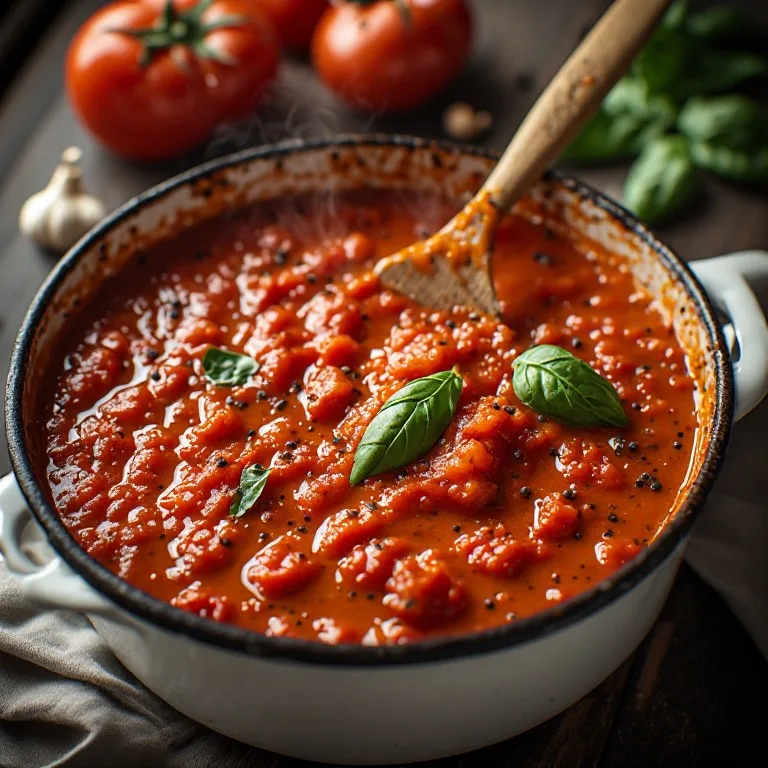
At Rao’s, the marinara that goes into the eggplant parmigiana is the same sauce that goes on the pasta — the same clean tomato sauce that became one of the most praised jarred pasta sauces in the country when Frank Pellegrino Sr. started selling it commercially. Two jars of Rao’s Homemade Marinara are an excellent and appropriate shortcut for the home version. If you prefer to make it from scratch, a basic San Marzano sauce — two 28-oz cans of whole tomatoes, good olive oil, a clove of garlic, fresh basil, salt, and 25 minutes — is better and costs about $6.

Use the sauce lightly in the layers. The eggplant is the star; the sauce should be present in every bite but not drowning the dish. Thin layers of marinara between each tier produce a far better result than heavy ones.

Eggplant typeBreadingCheeseFrying oilSauce
Rao’sItalian eggplantFlour + egg + Parmigiano breadcrumbsFresh mozzarella + ParmigianoExtra-virgin olive oilRao’s marinara
Most home versionsAny eggplantPanko or heavy flour batterShredded mozzarellaNeutral oilJarred, often sugar-heavy
Result differenceSlightly firmer, meatierThin crust survives the bake; thick crust becomes soggyPools vs. stringsFruitiness carries into the crustSweetness and acid profile differs
The Make-Ahead Advantage

One of the genuine reasons to make this dish: it is better on day two. The layers compress overnight in the refrigerator, the flavors meld, and the eggplant takes on a silkier texture than it has right out of the oven. Make it the day before a Thanksgiving or Christmas dinner, refrigerate it fully assembled and baked, and reheat portions in a 350°F oven for 15 minutes. The table gets a dish that tastes better than if you made it that morning.

Fully baked, it keeps for 4 days refrigerated. You can also assemble it unbaked the night before and refrigerate it; bring it to room temperature for 30 minutes before baking and add 5 minutes to the oven time.

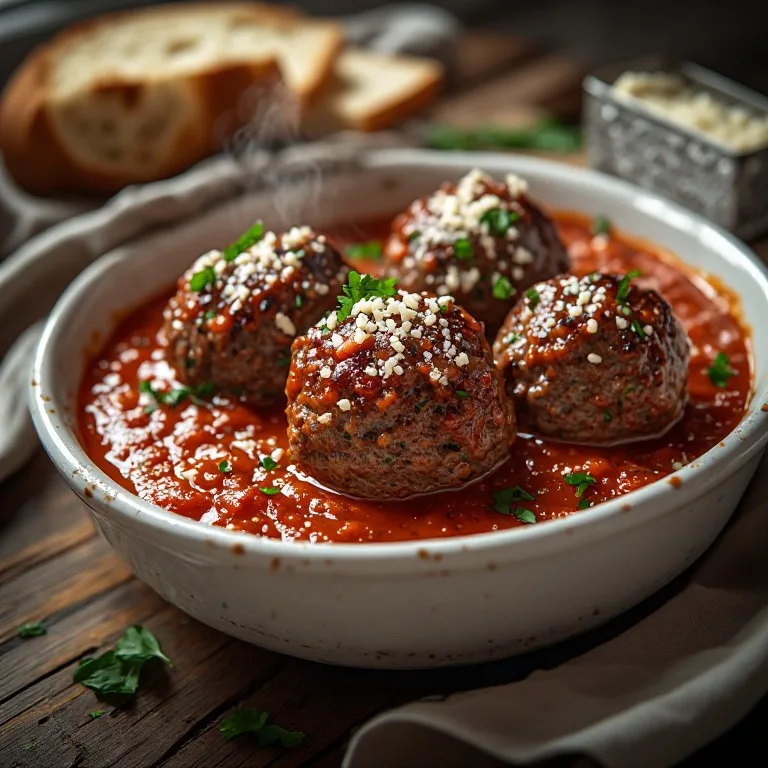
For the full Rao’s home table, the Rao’s marinara, Rao’s meatballs, and Rao’s lemon chicken pair naturally — the same East Harlem kitchen’s flavors, built on one table.
🥗

Make It Healthier

Love Rao's Eggplant Parmigiana but want a lighter version? Try these simple swaps:

  • ✓Reduce the frying oil by baking the breaded eggplant slices at 425°F on oiled sheet pans (flip once at 12 minutes) instead of pan-frying — the crust won't be as golden but saves about 80 calories per serving.
  • ✓Cut the mozzarella from 12 oz to 8 oz and increase the Parmigiano from ½ cup to ¾ cup — Parmigiano has a more concentrated flavor, so you need less to taste it, and the total fat drops about 20 percent.
  • ✓Use part-skim mozzarella instead of whole-milk fresh mozzarella if you want to reduce the fat further — the melt and texture are slightly different but still very good once it bubbles under heat.
  • ✓A double serving of this is still under 800 calories and provides meaningful protein and fiber — it functions well as a complete vegetarian main without a pasta side.

Frequently Asked Questions

Why does Rao's salt the eggplant before cooking?

Eggplant has a high water content — enough that if you skip the salting step, the moisture releases into the hot oil during frying and the slices steam rather than fry. The result is soggy crust, greasy eggplant, and a texture that survives neither the fry nor the subsequent bake. Salting draws out a significant amount of that water before the eggplant ever touches oil. Spread the slices in a colander or on a wire rack, salt both surfaces generously, and let them sit for at least 1 hour — 2 hours is better, and overnight in the refrigerator works best of all. After salting, rinse off the salt under cold water to remove the bitter liquid that has drawn out, then press each slice firmly between two layers of paper towels until they feel nearly dry. If the slices are still damp when they go into the oil, the crust will blow off and the frying oil will sputter aggressively. This single step separates eggplant parmigiana that holds its structure through baking from eggplant parmigiana that collapses into mush.

What is the correct eggplant thickness for this recipe?

¼ inch is the target — thin enough that the eggplant cooks through completely during the fry and finishes tender all the way to the center during baking, but thick enough to hold its shape when layered. Slices thicker than ⅓ inch may stay slightly undercooked in the center even after baking, and their thickness makes the layers unwieldy. Slices thinner than ⅛ inch tear easily when breaded and can disintegrate. Use a sharp knife and try to keep the thickness consistent throughout each eggplant; uneven slices will cook unevenly. A mandoline set at the ¼-inch setting makes this practical, but a careful knife works fine.

Should I use fresh mozzarella or low-moisture mozzarella?

Fresh mozzarella — the kind packed in water — is what Rao's uses, and the difference matters. Low-moisture mozzarella has been pressed and dried, which gives it a different texture: it melts to a stretchy, stringy layer similar to pizza cheese. Fresh mozzarella melts softer and creamier, forms pools rather than strings, and has a mild milky flavor that pairs differently with the acidic tomato sauce. Tear the fresh mozzarella by hand into rough pieces rather than slicing it cleanly — the uneven surface area melts more interestingly and creates pockets of molten cheese throughout the layers. One caution: fresh mozzarella has more moisture than low-moisture. If the eggplant was not salted and pressed thoroughly, that extra moisture combined with fresh mozzarella makes the dish wet. Thorough salting and drying of the eggplant is even more important when using fresh mozzarella.

Can I use Rao's jarred marinara sauce for the layers?

Yes, and it is a genuinely good shortcut. Rao's Homemade Marinara is one of the better jarred pasta sauces available in American grocery stores — it has a clean, sweet tomato flavor without the cloying sweetness of many commercial sauces, and it is made with simple ingredients. Two 24-oz jars will cover this recipe. Using the jarred sauce is consistent with the spirit of the dish, since the restaurant is famous partly for making this sauce accessible beyond its East Harlem dining room. If you prefer to make it from scratch, a 25-minute sauce from two 28-oz cans of whole San Marzano tomatoes, olive oil, garlic, fresh basil, and salt will be better — but the jarred version is a credible alternative, especially on a weeknight.

What is the right frying oil for Rao's eggplant parmigiana?

Good extra-virgin olive oil is what Rao's specifies and what gives the dish its characteristic flavor — the crust absorbs some of the oil during frying, and the fruitiness of olive oil comes through in the finished dish in a way a neutral oil does not. You need about ¼ inch of oil in the pan, which for a large skillet is roughly ½ to ¾ cup per batch; replenish between batches as the oil absorbs. Olive oil has a smoke point around 375°F, so medium-high heat is fine for frying, but watch carefully — if the oil starts smoking heavily, lower the heat slightly. If your olive oil budget is a concern, a 50/50 blend of olive oil and a neutral oil (grapeseed or vegetable) is a reasonable compromise that keeps some of the flavor. Do not deep-fry the eggplant — shallow frying gives you more control and produces a lighter crust.

How do I keep the layers from getting soggy during baking?

Four things contribute to soggy eggplant parmigiana, and Rao's technique addresses all four. First, salt and thoroughly dry the eggplant before breading — moisture in the eggplant is the primary cause of a wet dish. Second, fry the breaded slices to a genuinely deep golden brown before layering — an underdone crust will absorb the sauce and lose all texture. Third, do not over-sauce: a thin layer of marinara between each tier of eggplant, not a thick blanket. The sauce hydrates the layers further as it bakes; if you start with heavy sauce, the finished dish will be swimming. Fourth, let the finished dish rest 10 minutes after it comes out of the oven — the layers firm up as they cool slightly, making it much easier to cut and serve without everything sliding apart.

Can I make this ahead of time?

Eggplant parmigiana is one of the best make-ahead Italian dishes. Fully assembled and baked, it keeps refrigerated for up to 4 days. Reheat individual portions in a 350°F oven for 15 minutes, or in a microwave at 50 percent power in 90-second increments to prevent the sauce from splitting. The texture actually improves overnight — the layers compress and meld, and the eggplant takes on a denser, almost silkier quality compared to the just-baked version. You can also assemble the dish up through the final layer and refrigerate it unbaked for up to 24 hours; take it out for 30 minutes before sliding it into the oven, and add 5 minutes to the bake time since it starts cold. The fry step is the only part that does not benefit from advance work — fried eggplant slices held in the refrigerator overnight lose some of their crispness, though the bake restores most of it.

How does Rao's eggplant parmigiana compare to the Italian-American standard?

The Rao's version differs from most American restaurant versions in a few consistent ways. The breading stays light — a thin flour, egg, and Parmigiano-breadcrumb coat rather than a thick, panko-heavy batter — so the eggplant itself is the star rather than the crust. The olive-oil fry (not a deep fryer, not canola oil) adds a fruitiness that neutral-oil versions lack. The marinara is simple and clean: San Marzano-style tomatoes, olive oil, garlic, basil, and not much else — no added sugar, no dried herbs, nothing to muddy the tomato's natural sweetness. Fresh mozzarella rather than low-moisture or pre-shredded cheese means the cheese pools and melts differently. The result is a dish that tastes lighter and more focused than the heavier, breading-forward versions common in red-checkered-tablecloth Italian-American restaurants. It is still very much a stick-to-your-ribs centerpiece, but it is not heavy in the way that deters people from finishing a full portion.

Love this recipe? Share it!

Free PDF: our 12 most-wanted copycat recipes — instant download.

Made it? Buy us a coffee

Every recipe here is free, with no paywalls. If this one was a hit at your table, a small tip keeps new copycats coming.

$

Rao's is a trademark of its owner, used here only to describe the dish this recipe recreates. This is an independent copycat written in our own words — Copycat Spices is not affiliated with, endorsed by or sponsored by Rao's.

Ratings & Reviews

—
No ratings yet

Rate this recipe

Click a star to rate

Leave a Review

0/500

CS

Copycat Spices Editorial

Researched + fact-checked. Every recipe on Copycat Spices is built from published sources — official ingredient lists, brand-published recipes, interviews and food-science references — and fact-checked before it goes live, then written as clear, step-by-step instructions for home cooks of all skill levels.

Learn more about our mission →