

Pin It

Slanted Door Shaking Beef (Bò Lúc Lắc)

Slanted Door Shaking Beef (Bò Lúc Lắc)
Jump to Recipe
Prep 15 min + 30 min marinating Cook 10 min Serves 4
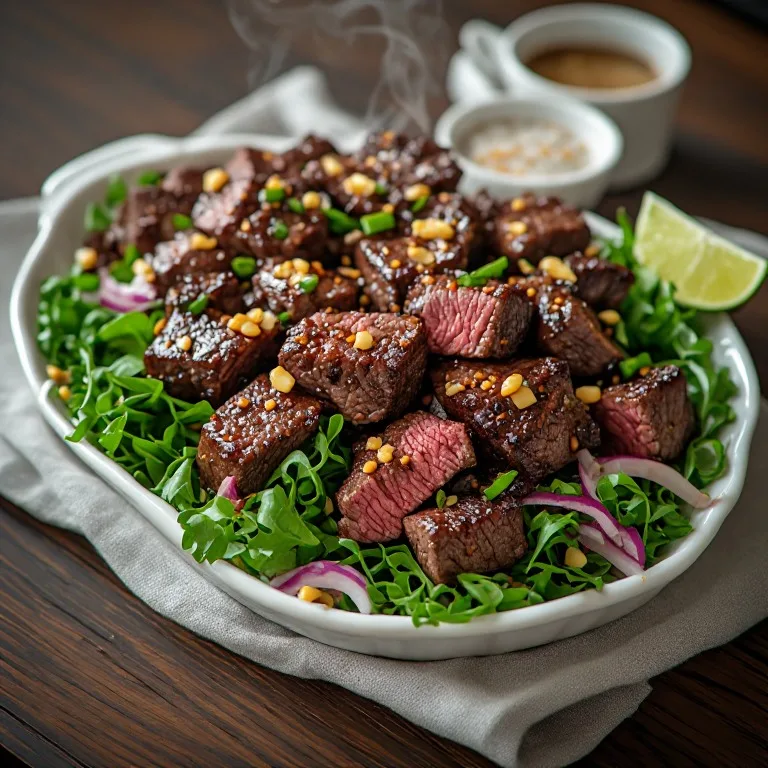
Quick answer: Toss 1½ lb filet mignon cut into 1-inch cubes with 2 tbsp soy sauce, 1 tbsp fish sauce, 2 tsp rice wine (or dry sherry), 2 tsp sugar, 1 tsp white vinegar, ½ tsp black pepper, and 1 tbsp neutral oil. Marinate 30 minutes. Arrange 4 oz watercress, ½ thinly sliced red onion, and 2 sliced scallions on a serving platter. Mix 1 tsp flaky sea salt + ½ tsp coarsely ground black pepper + juice of 1½ limes for the dipping sauce. Before cooking, pat the beef cubes completely dry with paper towels — wet beef steams; dry beef sears. Heat a wok or heavy cast iron skillet over the highest heat for 90 seconds until barely smoking. Add 1 tbsp neutral oil, then add no more than 8 beef cubes at a time. Cook 60 to 90 seconds per side, shaking and tossing the pan continuously — 3 to 4 minutes total per batch. After the last batch, add 3 minced garlic cloves to the hot pan, cook 20 seconds, then swirl in 2 tbsp unsalted butter. Pile the seared beef and garlic butter directly over the watercress — the residual heat wilts it slightly. Serve immediately with the lime dipping sauce on the side.

Shop the tools

Gear matched to this recipe. These are Amazon affiliate links — we may earn a small commission if you buy, at no extra cost to you.

As an Amazon Associate, Copycat Spices earns from qualifying purchases. Product images are generic illustrations, not the exact item listed.

Slanted Door Shaking Beef (Bò Lúc Lắc)

Charles Phan's legendary shaking beef: filet mignon cubes seared in a screaming-hot pan with garlic and butter, piled over watercress with a salt-pepper-lime dipping sauce. The Ferry Building original charged $42 a plate; the same dish costs about $25 at home.

Intermediate Prep: 15 min + 30 min marinating Cook: 10 min Total: 25 min4 servings ~$4.50/serving
Prep15 min + 30 min marinating
Cook10 min
Total25 min
Servings
4
At home~$4.50/serving
vs
Restaurant~$20.25/serving
You save ~78%

The Story Behind the Recipe

Charles Phan opened The Slanted Door on Valencia Street in San Francisco's Mission District in 1995 with $50,000 borrowed from family. Within three years the restaurant had been named one of the ten best new restaurants in America. Phan had arrived from Vietnam at age 14, worked as a clothing designer, and taught himself to cook from his mother's recipes — then applied French technique and California produce to the food he had grown up eating. In 2004, he moved the Slanted Door to the Ferry Building Marketplace on the Embarcadero, a glass-walled room facing the Bay Bridge with views of Oakland across the water. The James Beard Award for Best Chef Pacific followed that same year. For 16 years it was the destination restaurant in San Francisco — the room where Ruth Reichl, Alice Waters, and visiting Michelin-starred chefs ate when they were in town. The Ferry Building location closed in 2020; the pandemic made the economics impossible. Phan had signed a lease to reopen at the original Valencia Street address when he died of cardiac arrest in January 2025 at 62.

Shaking beef — bò lúc lắc in Vietnamese — is a classic Saigon dish: marinated beef cubes stir-fried at high heat, served over watercress with a dipping sauce of salt, pepper, and lime. Phan's version replaced the traditional flank steak with filet mignon tails — trim pieces left over after airline food service companies bought the center cuts. They cost a fraction of whole tenderloin and produced a dish with a completely different texture: buttery, tender cubes that seared to a deep crust outside and stayed pink at the center. A single order at the Ferry Building ran about $42. Made at home with a pound and a half of tenderloin tails, the same dish costs roughly $25 — and the cooking itself takes under 10 minutes. The one technique that determines everything: the pan has to be genuinely screaming hot before any beef goes in, and you cook in small batches without crowding. Pack the pan and you braise. Respect the heat and you sear.

Nutrition Facts

Per serving (4 servings)
Calories375
Total Fat22g
Total Carbs6g
Dietary Fiber1g
Sugars3g
Protein34g
Sodium810mg

* Estimated values based on standard recipe preparation. Actual values may vary.

Ingredients

  • For the marinade
  • For cooking
  • For the watercress salad
  • For the dipping sauce (make ahead)

Instructions

💡
Pro tip: This recipe tastes even better the next day. The flavors need time to meld together in the fridge.
❄️
Storage: Keeps in an airtight container in the fridge for up to 2 weeks. Freezer-friendly for up to 3 months.
🎃 Free Halloween cookbook — download now The Copycat Halloween Cookbook A ready-made, photo-illustrated PDF of our best halloween copycat recipes — free to download, no building required. Pay what you want to support if you love it.

Free PDF — instant download. We'll also send new seasonal copycat recipes now and then; unsubscribe anytime. Or just download it →

The Slanted Door’s shaking beef is one of the most searched recipes from a now-closed American restaurant — and one of the fastest genuinely impressive dishes you can make at home.

Charles Phan’s version of bò lúc lắc (Vietnamese shaking beef) takes 10 minutes to cook once the beef is marinated. The result — filet mignon cubes with a deep seared crust, garlic butter pan sauce, and a sharp lime dipping sauce — tastes like it came from the $42-a-plate Ferry Building room it actually did come from.

Three things determine whether this tastes like the restaurant:

  1. Use tenderloin (filet mignon tails or whole tenderloin — Phan’s departure from tradition)
  2. Pat the beef completely dry before it goes in the pan — wet beef steams, dry beef sears
  3. Cook in small batches in a screaming-hot pan, shaking the pan instead of stirring

Get those three right and the rest follows.
🥗

Make It Healthier

Love Slanted Door Shaking Beef (Bò Lúc Lắc) but want a lighter version? Try these simple swaps:

  • ✓Reduce soy sauce to 1 tbsp and fish sauce to 2 tsp to drop sodium to around 600mg per serving — the marinade's flavor still comes through.
  • ✓Serve over a larger bed of watercress (6 oz instead of 4) for more greens per plate; watercress is high in vitamins K and C and essentially zero calories.
  • ✓Swap butter for 1 tsp sesame oil stirred in at the very end — lower in saturated fat, and the toasty sesame note complements the beef well.
  • ✓Use flat iron steak instead of tenderloin — it's leaner and about half the price, with roughly 10g less fat per serving.

Frequently Asked Questions

What does 'shaking beef' mean — where does the name bò lúc lắc come from?

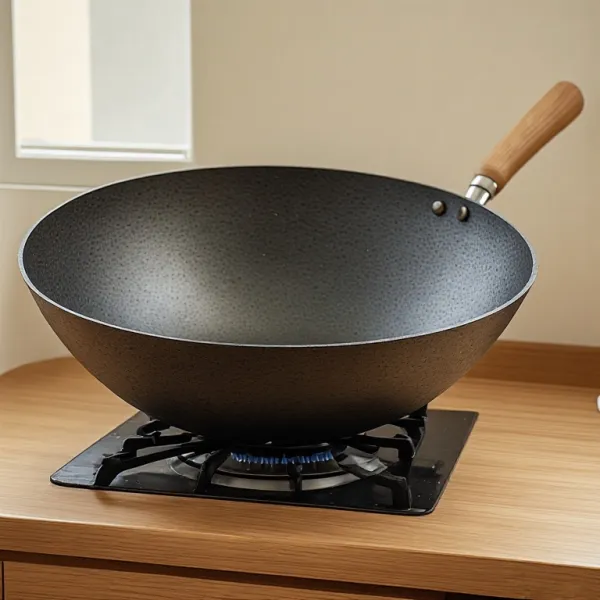
Bò lúc lắc literally translates from Vietnamese as 'shaking beef' — lúc lắc means to shake or rattle. The name describes the cooking technique: you don't stir the beef with a spatula, you grip the wok or skillet by the handle and shake and toss it vigorously so the beef tumbles and rolls against the hot surface on all sides. This constant motion keeps the cubes moving too quickly to stick, browns all surfaces rapidly, and generates the slightly caramelized exterior that makes the dish. At the Slanted Door, Phan's kitchen cooked enormous volumes of it on restaurant burners that hit 80,000 BTUs — far more than any home stove. The key adjustment for home cooking is using the heaviest, hottest pan you own, heating it until it barely smokes, and working in small batches so you preserve the heat.

Why did Charles Phan use filet mignon instead of the traditional flank steak?

Phan told this story in interviews and in his 2014 cookbook. Airline food service companies in San Francisco were purchasing filet mignon medallions — the center-cut rounds — and leaving behind the tapered tails, which are irregular in shape and harder to plate as a formal dish. Local suppliers sold these tails cheaply, and Phan realized they were perfect for bò lúc lắc: when trimmed and cut into 1-inch cubes, they were more tender than flank steak, had a richer, butterier flavor, and still seared beautifully. The happy accident became his most famous dish. Using filet mignon is the primary reason the Slanted Door version tasted different from every other shaking beef in the city. If filet tails are unavailable at your butcher, buy whole tenderloin and cut it yourself — the center roast is more expensive but the texture is the same.

Can I use a cheaper cut than filet mignon?

Yes, with tradeoffs. Skirt steak or flat iron steak come closest — they have a looser grain that benefits from high heat and the brief marinade. Cut them against the grain into 1-inch pieces and they'll be tender enough. Sirloin works but tends to be denser and less forgiving if slightly overcooked. Flank steak is the traditional Vietnamese choice — cut against the grain, it works well, though the finished dish will have more chew than Phan's version. Avoid chuck roast or shoulder: their connective tissue doesn't break down in the 3-to-4-minute cooking time, and the beef will be tough. Whatever cut you use, the marinating and the small-batch searing technique matter more than the cut itself for flavor.

What does the lime dipping sauce do — isn't the beef already sauced?

They work differently. The marinade caramelizes onto the beef during searing and concentrates into a savory glaze — it's the source of the umami, dark crust and the garlic-butter richness. The dipping sauce — equal parts flaky salt, coarsely ground pepper, and fresh lime juice — is a palate cleanser that cuts through the richness between bites. You drag a piece of seared beef through it right before eating. The lime juice brightness is the contrast that makes each cube taste new rather than heavy after the fourth or fifth piece. This is a common structure in Vietnamese cooking: the main is rich and savory, the dipping sauce is sharp and acidic. Do not skip the dipping sauce — the dish without it is unbalanced.

Why is patting the beef dry the most important step?

Moisture on the surface of the beef turns to steam the instant it hits the hot pan. Steam drops the pan temperature dramatically and causes the beef to braise in its own liquid rather than sear. The result is grey, tender meat with no crust — which is not shaking beef. When you pull the marinated cubes out of the bowl, set them on a paper-towel-lined plate and press another paper towel firmly over them. They should look nearly dry before they go into the pan. The marinade's flavors are already absorbed into the meat at that point — you're not washing off flavor, you're removing surface moisture that would prevent browning. This step is especially important because the marinade contains sugar, which burns in steam before it can caramelize.

How do I keep the watercress from wilting before I serve?

Don't dress it. The watercress sits on the platter undressed — just the greens, sliced red onion, and scallions arranged loosely. The hot beef and garlic butter go directly on top and provide the 'dressing' when they hit the greens. The residual heat from the beef wilts the watercress slightly (which is intentional) and the pan juices and butter serve as the sauce for the salad layer. If you dress the watercress with vinegar and oil beforehand, the salt in the dressing wilts it aggressively and it turns limp and wet by the time the beef arrives. A brief rinse and dry spin is all the watercress needs — it should be crisp when you plate it and just slightly wilted after the beef lands.

Can I make this for a dinner party — is it hard to time?

Shaking beef is actually ideal for dinner parties. The marinade can be made and the beef can sit in it for up to 2 hours in the fridge. The salad platter can be built and refrigerated, covered, up to an hour ahead. The dipping sauce can be made days in advance. The only part that requires attention is the actual cooking — which takes about 8 to 10 minutes total once the pan is hot, just before serving. The trick for a group: work in batches and rest each batch loosely covered while you cook the next. The beef holds its crust well for 3 to 4 minutes off heat. If you're cooking for 8, double the recipe and use two pans simultaneously. This is one of those restaurant dishes that is genuinely faster at home than driving to the restaurant.

Love this recipe? Share it!

Free PDF: our 12 most-wanted copycat recipes — instant download.

Made it? Buy us a coffee

Every recipe here is free, with no paywalls. If this one was a hit at your table, a small tip keeps new copycats coming.

$

The Slanted Door is a trademark of its owner, used here only to describe the dish this recipe recreates. This is an independent copycat written in our own words — Copycat Spices is not affiliated with, endorsed by or sponsored by The Slanted Door.

Ratings & Reviews

—
No ratings yet

Rate this recipe

Click a star to rate

Leave a Review

0/500

CS

Copycat Spices Editorial

Researched + fact-checked. Every recipe on Copycat Spices is built from published sources — official ingredient lists, brand-published recipes, interviews and food-science references — and fact-checked before it goes live, then written as clear, step-by-step instructions for home cooks of all skill levels.

Learn more about our mission →