

Uchi Hama Chili (The Austin Sashimi That Started It All)
Prep time: 15 min (no cooking) Servings: 2 (appetizer)
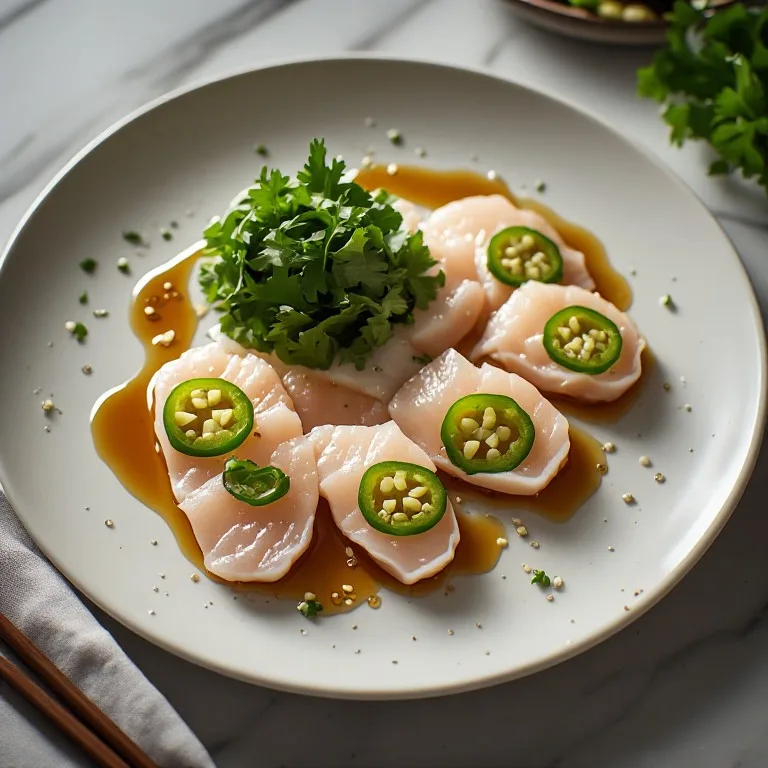
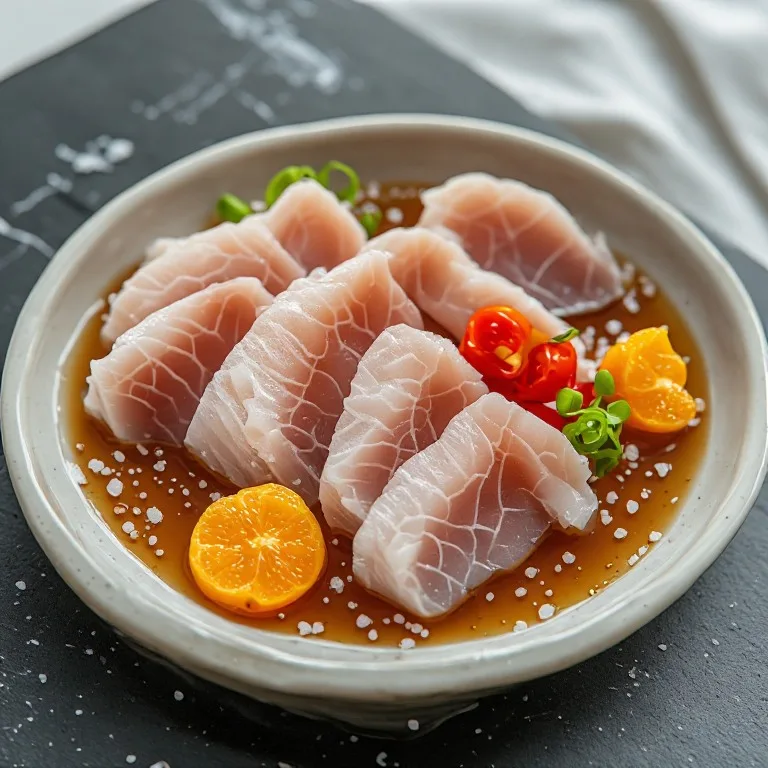
Walk into Uchi on South Lamar in Austin, Texas — or one of its sister restaurants in Houston, Dallas, or Nashville — and the Hama Chili will be somewhere near the top of the menu, where it has been since the restaurant opened in 2003. Chef Tyson Cole puts hamachi on a plate with fresh orange, Thai bird chili, and a clean ponzu broth, and somehow the result is one of those dishes that makes you stop mid-bite and think. The name is a grocery list: hama is hamachi, the fatty Japanese yellowtail, and chili is the chili. It costs about $20 at the restaurant. It takes 15 minutes to make at home, and the ingredients are four.
The dish is not complicated. Its reputation comes from being the clearest expression of what Uchi does: Japanese-trained precision, American ingredients, and the confidence to leave things alone once they are right. Cole trained in Japan and worked in New York before opening Uchi on a shoestring budget in a converted Austin bungalow. The Hama Chili was his opening statement. It is also the reason getting a table at Uchi still requires planning weeks ahead.
What “Hama Chili” Actually Means
“Hama” is short for hamachi — the Japanese name for yellowtail (Seriola quinqueradiata), a soft, fatty, lightly sweet fish used widely in Japanese cuisine for sashimi, nigiri, and ceviche-style preparations. Hamachi is not tuna (firmer, leaner, stronger) and not salmon (more distinct in flavor). Its specific value is its gentleness: the fat gives the flesh a silky, almost buttery texture, and the mild flavor stays in balance with bold acids and heat rather than being drowned by them.
“Chili” is exactly what it says: thin rounds of Thai bird chili, one of the hottest commonly available fresh chilis, giving the dish a short, bright, floral flash of heat on each bite. The Thai bird chili is not a background note — it is the reason the dish has the word “chili” in the name. At Uchi the heat is real.
The Four-Part Balance
There are four flavors here, and getting their ratios right is the entire game:
1. Rich, cold, fatty fish. Hamachi is the base note — mild enough to carry the other flavors, fat enough to hold up against the acid and heat without turning chalky. This is where freshness matters most: there is no sear, no sauce heavy enough to mask stale fish. If you cannot source sashimi-grade hamachi, see the FAQ on substitutions.
2. Bright, sweet citrus. Fresh orange gives the dish its fruit-and-fish character. Cole has described the pairing of raw fish with fresh citrus as the flavor combination that defines Uchi’s voice — and the orange here is not garnish. It anchors the ponzu, breaks up the richness of the fish on the palate, and adds a sweetness that the chili cuts through. Navel orange is the standard. Blood orange adds visual drama and a slightly deeper, less sweet fruit note.
3. Fiery, floral heat. Thai bird chilis run about 10 to 20 times hotter than jalapeños. Sliced paper thin, they deliver heat in a short pulse — enough to wake up every bite without bulldozing the fish. If you want to approximate this with less intensity, serrano is the right substitute. Jalapeño is a milder register and the result is a different dish (Nobu’s, essentially — which is great but not this).
4. Clean, savory, tangy ponzu. The broth ties the plate together: soy sauce for salt and umami depth, rice vinegar for acidity, mirin for sweetness and gloss, a squeeze of the orange for continuity. It should pour like a thin broth, not coat like a sauce. Spoon it around the fish so it pools at the edges; the fish sits in it, not under it.
How This Differs From Nobu’s Yellowtail Jalapeño
Both are iconic sashimi dishes built on the fish-fruit-chili idea, but the flavor profiles are distinct enough that if you blind-tasted them you would know which was which:
| Uchi Hama Chili | Nobu Yellowtail Jalapeño | |
|---|---|---|
| Chili | Thai bird (10–20× jalapeño heat) | Jalapeño (milder, vegetal) |
| Citrus | Fresh orange (sweet, warm) | Yuzu (floral, tart) |
| Sauce | Ponzu (soy + rice vinegar + mirin + citrus) | Yuzu soy (yuzu juice + soy only) |
| Garlic | None | Yes — a whisper dipped on the fish |
| Herb | Optional scallion | Cilantro leaf per slice |
| Origin | Austin, Texas, 2003 | Beverly Hills, 1987 (NYC, 1994) |
| Flavor register | Warmer, fruitier, sweeter broth | Sharper, more acidic, more floral |
Neither is better; they are different expressions of the same observation. The Uchi version tastes like Austin — warmer, more confident, slightly sweeter. The Nobu version tastes like its Japanese-Peruvian DNA — sharper, more precise, more structured.
Sourcing Sashimi-Grade Hamachi
Because this dish involves no heat, the fish is the dish. There is no marinade to fix a rough edge, no char to cover a bland surface. Spend your care here:
- Japanese and Asian grocery stores (Mitsuwa, Marukai, H Mart) — the most reliable and affordable source in most major cities. Ask for sashimi-grade yellowtail or hamachi.
- Fishmongers that supply sushi restaurants — if your city has a dedicated Japanese fishmonger or a market that supplies sushi chefs, that is the gold standard.
- Online shippers — Catalina Offshore Products, Honolulu Fish Company, and True World Foods ship to most of the continental U.S. with next-day ice-pack delivery.
- Whole Foods fish counter — widely available; ask whether the yellowtail is sold for raw consumption. The quality is usually good.
The nose test: Fresh hamachi smells clean, slightly oceanic, and faintly sweet. Any sour, strongly fishy, or ammonia note means it has aged past safe raw eating. Cook it or skip it.
Keep it cold end to end: Buy the fish last, get it home quickly, keep it in the refrigerator (ideally resting over ice) until you are ready to slice. Slice last, dress last, serve immediately. Cold slows bacterial growth, but more importantly, cold fish stays firm, glossy, and precise on the plate. Warm fish turns soft and loses the silky texture that is the whole point of this preparation.
Technique: The Slice Matters
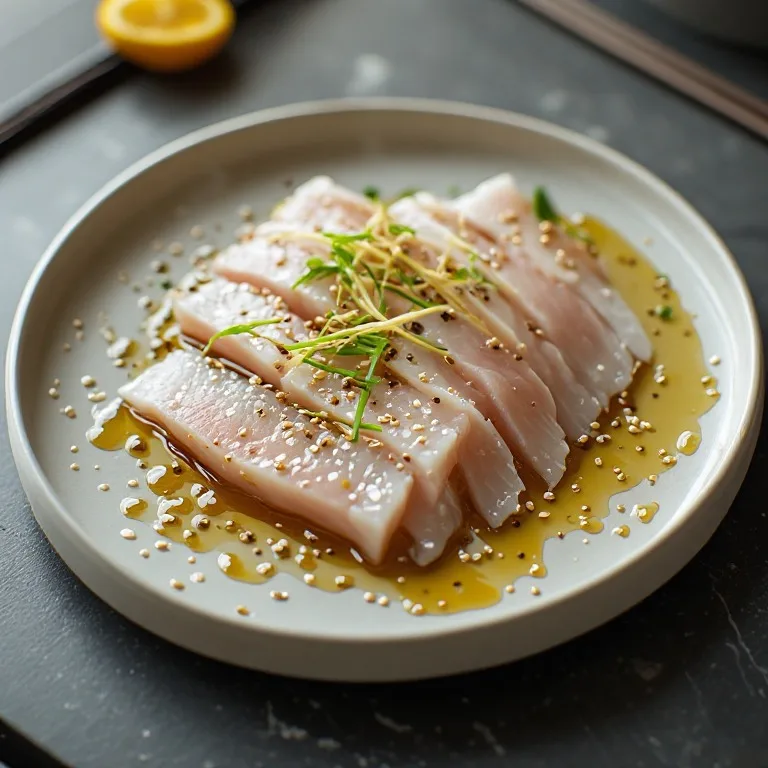
Hamachi has a grain — visible muscle fibers running along the length of the fillet. Cut against that grain, at a slight diagonal (about 30 degrees off perpendicular). Against-the-grain slicing gives tender bites that pull cleanly apart; with-the-grain slicing gives stringy, chewier pieces.
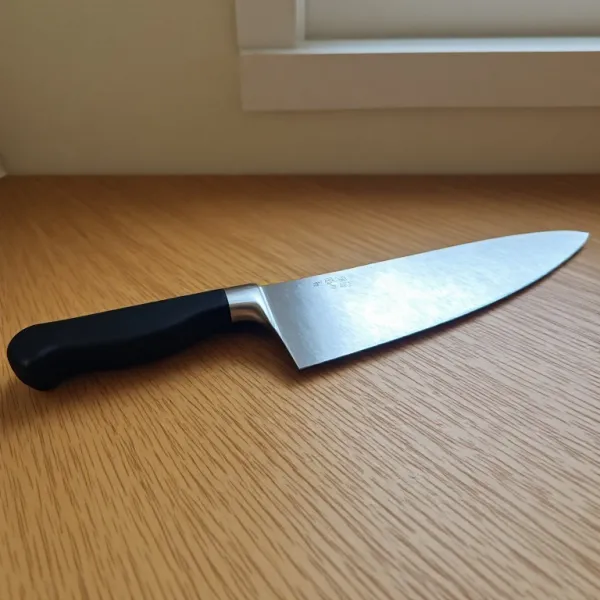
A sharp knife is the only equipment that matters here. Sharp means the blade glides; dull means it drags. Dragging tears the fibers on the surface of the fish, leaving a ragged edge instead of a clean cut, and you will see and taste the difference. A sashimi knife is ideal; a thin-bladed sharp chef’s knife is fine. A thick, dull knife is not fine.
Cost: Uchi vs. Home
| Uchi | Homemade (2 portions) | |
|---|---|---|
| Price | ~$18–22 | ~$17–25 total |
| Hamachi | ~4 oz per order | 6 oz (~$12–18) |
| Reservation | Weeks ahead | Your kitchen, tonight |
| Availability | Austin, Houston, Dallas, Nashville | Anywhere with good fish |
The home version is not cheaper enough to matter financially — it is valuable because it is available. On a night when Austin is not an option, 15 minutes and good fish gets you the dish.
Variations and Adaptations
- Blood orange or cara cara orange — more visually dramatic and slightly more complex in flavor; works perfectly and worth doing when they are in season.
- Yuzu ponzu — substitute bottled yuzu ponzu sauce for the homemade broth to get more floral, tart Japanese citrus character; it shifts the dish toward the Nobu register but is delicious.
- Fresno chili — milder and fruity, with a pretty red color against the pale fish and orange; good for guests who find Thai bird chili challenging.
- Scallop, fluke, or snapper — if hamachi is unavailable, fluke and snapper are the cleanest swaps (mild, lean, delicate texture); Atlantic salmon works but gives a heavier, more distinct flavor.
- Add cucumber — a few thin cucumber coins between the orange segments adds crunch and cools the heat; this is not traditional but it works.
Storage
There is no make-ahead for this dish once it’s assembled. Dressed, sliced sashimi should be eaten within 15 minutes. Un-sliced, sashimi-grade hamachi can be kept tightly wrapped over ice in the coldest part of the refrigerator for up to 24 hours from purchase, but flavor and texture are always best the day of. The ponzu can be made up to a week ahead and stored in the refrigerator.
More Famous Restaurant Sashimi and Fish Dishes Made at Home
- Copycat Nobu Yellowtail Jalapeño — Nobu Matsuhisa’s iconic cold sashimi: hamachi, jalapeño, a whisper of garlic, cilantro, and yuzu soy
- Copycat Nobu New Style Sashimi — the sizzling-hot-oil Nobu technique: raw fish topped with ginger and scallion, then finished tableside with smoking sesame-olive oil
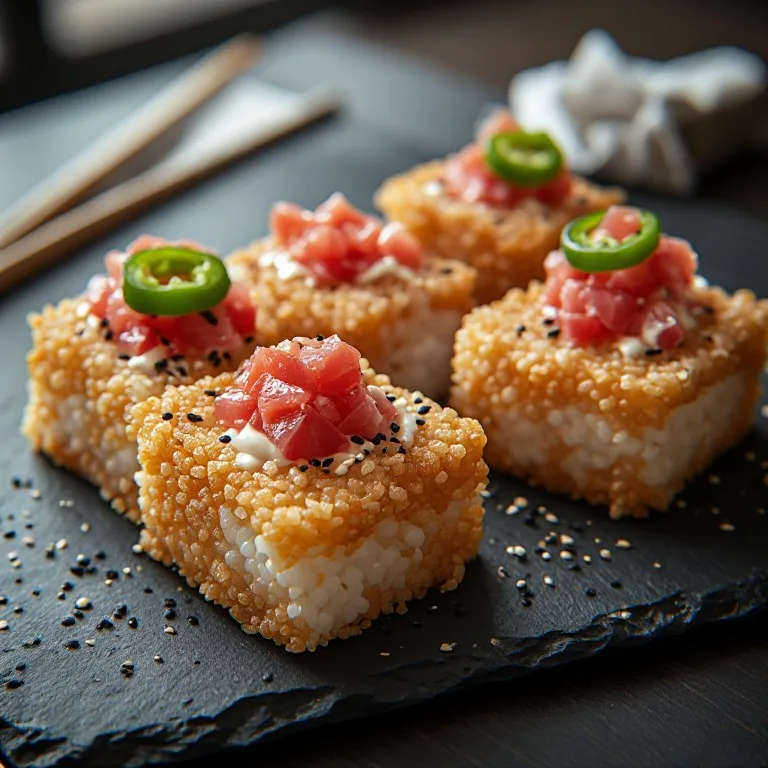
- Copycat Nobu Crispy Rice Spicy Tuna — fried sushi rice bites topped with spiced raw tuna, the dish that went viral before TikTok existed
- Copycat Pok Pok Fish Sauce Wings — Andy Ricker’s caramelized, funky fish-sauce-marinated wings from the Portland Thai legend