


Pin It

Viral TikTok Ground Beef Noodles — Glossy, Saucy, Done in 25 Minutes

Viral TikTok Ground Beef Noodles — Glossy, Saucy, Done in 25 Minutes
Jump to Recipe
Prep 10 min Cook 15 min Serves 4
Quick answer: Cook 12 oz of udon, lo mein, or thick ramen noodles according to package directions until just al dente; drain and rinse under cold water to stop cooking, then toss with a drizzle of sesame oil to prevent sticking. In a small bowl, whisk together 3 tablespoons soy sauce, 2 tablespoons oyster sauce, 1 tablespoon hoisin sauce, 1 tablespoon brown sugar, 1 tablespoon sesame oil, and 1 teaspoon cornstarch dissolved in 2 tablespoons water. Heat a wok or large skillet over the highest heat your stove produces until it begins to smoke lightly. Add 1 tablespoon neutral oil (avocado or vegetable), then 1 lb (450g) 80/20 ground beef. Spread in a single layer and do not touch for 2 full minutes — let it develop a proper sear and crust on the bottom. Break it apart and continue cooking 2–3 more minutes until fully browned with no gray. Push the beef to the sides, add 5 minced garlic cloves and 1 tablespoon freshly grated ginger to the center of the pan, and stir-fry 45 seconds until fragrant. Pour the sauce directly over the beef and stir everything together — it will bubble aggressively and thicken quickly from the cornstarch. Add the drained noodles to the pan and toss continuously for 90 seconds, coating every strand in the glossy sauce. Add 3 thinly sliced green onions and toss again. Serve immediately, topped with sesame seeds, chili oil, and more green onions.

Shop the tools

Gear matched to this recipe. These are Amazon affiliate links — we may earn a small commission if you buy, at no extra cost to you.

As an Amazon Associate, Copycat Spices earns from qualifying purchases. Product images are generic illustrations, not the exact item listed.

Viral TikTok Ground Beef Noodles — Glossy, Saucy, Done in 25 Minutes

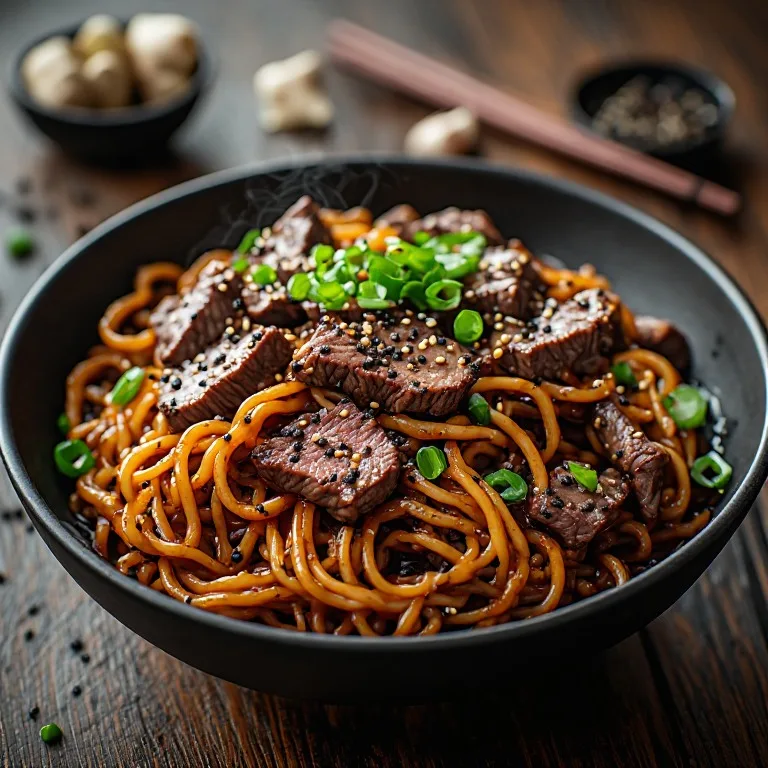
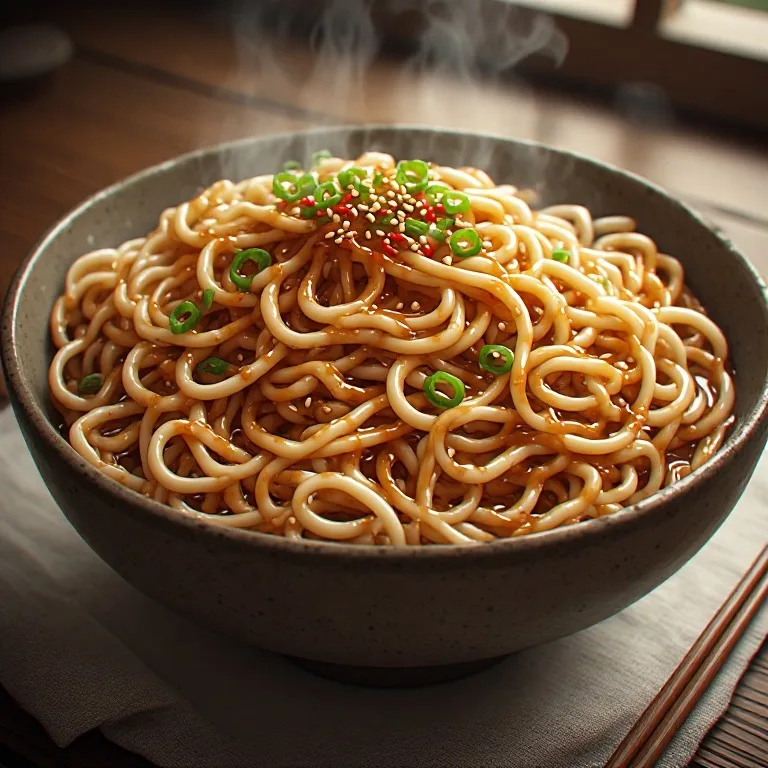
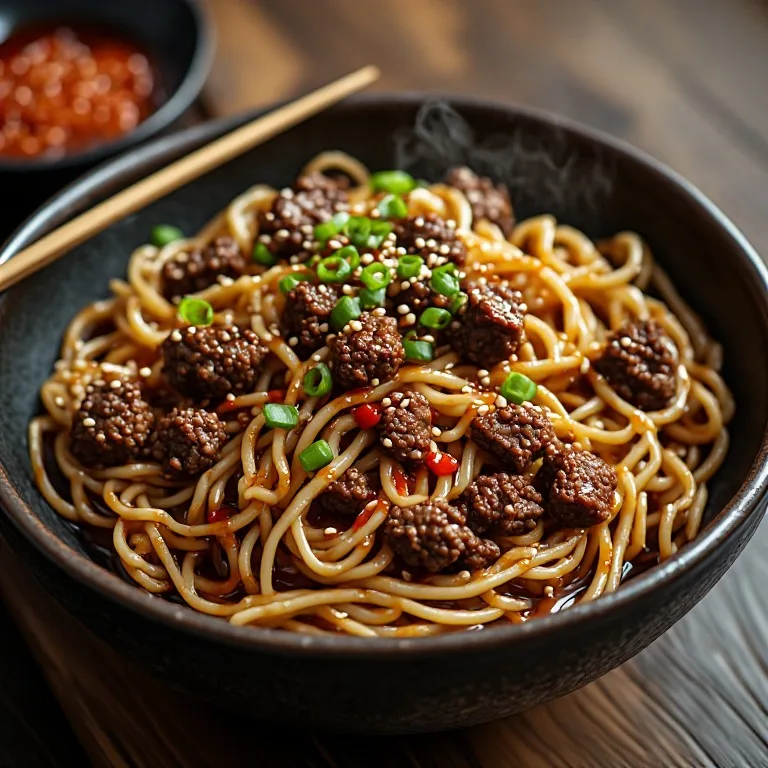
The viral TikTok ground beef noodles that stopped everyone's scroll: ground beef browned in a blazing-hot wok, tossed with udon or lo mein noodles in a glossy soy-oyster-sesame sauce. Faster than takeout, more satisfying than most pasta nights. This is the real-deal method.

Easy Prep: 10 min Cook: 15 min Total: 25 min4 servings ~$4.50/serving
Prep10 min
Cook15 min
Total25 min
Servings
4
At home~$4.50/serving
vs
Restaurant~$20.25/serving
You save ~78%

The Story Behind the Recipe

The viral TikTok ground beef noodles that stopped everyone's scroll: ground beef browned in a blazing-hot wok, tossed with udon or lo mein noodles in a glossy soy-oyster-sesame sauce. Faster than takeout, more satisfying than most pasta nights. This is the real-deal method.

Nutrition Facts

Per serving (4 servings)
Calories520
Total Fat19g
Total Carbs52g
Dietary Fiber2g
Sugars7g
Protein32g
Sodium1240mg

* Estimated values based on standard recipe preparation. Actual values may vary.

Ingredients

  • For the noodles
  • For the sauce (mix before you start cooking)
  • For the beef and aromatics
  • For topping

Instructions

💡
Pro tip: This recipe tastes even better the next day. The flavors need time to meld together in the fridge.
❄️
Storage: Keeps in an airtight container in the fridge for up to 2 weeks. Freezer-friendly for up to 3 months.
🎃 Free Halloween cookbook — download now The Copycat Halloween Cookbook A ready-made, photo-illustrated PDF of our best halloween copycat recipes — free to download, no building required. Pay what you want to support if you love it.

Free PDF — instant download. We'll also send new seasonal copycat recipes now and then; unsubscribe anytime. Or just download it →

The TikTok Dish That Proves Ground Beef Is Underrated

Ground beef has a reputation problem. Tacos, sure. Burgers, obviously. But noodles? That took TikTok to establish.

The format is simple: brown the beef hard, cook garlic and ginger in the beef fat, deglaze with a soy-oyster-hoisin sauce that thickens into a glossy coat, toss with udon noodles. Twenty-five minutes total. The result looks like something from a restaurant wok station — shiny, deeply savory, textured — and tastes like a dish that took far more work than it actually did.

The videos work because the reveal moment (the sauce going from liquid to glossy and thick, coating every strand) is visually satisfying in a way that’s nearly impossible to make boring. The comments fill with the same reaction every time: “I had all of these ingredients already.”

What Makes It Actually Work

Two things determine whether this dish is great or mediocre: how hot the pan gets and whether you let the beef sit before breaking it up.

Most home cooks add ground beef to a medium-warm pan and immediately start breaking it apart. The result is grayish, steamed meat that releases water and never develops a proper crust. The viral version works because the wok or skillet is pre-heated until it begins to smoke — so the beef sears immediately on contact and develops dark, flavorful crust on the bottom surface before being broken apart. That crust is where most of the savory flavor comes from.

The sauce handles itself once the beef is right. The cornstarch-thickened mixture goes in after the aromatics and transforms in under a minute: thin liquid → glossy coating. It’s one of the most satisfying visual transformations in weeknight cooking.

The Sauce Ratio (and Why These Specific Ingredients)

  • Soy sauce is the salt and the savory base.
  • Oyster sauce adds gloss, umami, and a faint sweetness that soy alone can’t replicate.
  • Hoisin brings a fermented-sweet note and darkens the color.
  • Sesame oil is fragrance — it goes in raw so the heat doesn’t volatilize the aroma.
  • Brown sugar makes the sauce cling rather than run.
  • Cornstarch makes it glossy.

You can adjust ratios to taste — more soy if you want more salt, more hoisin if you want more sweetness — but the combination is calibrated to produce the right balance without tasting like any single ingredient.

The Noodle Question

Udon is the best choice because the thick, chewy strands hold the sauce without going limp and provide a satisfying textural contrast to the crumbled beef. Fresh udon (refrigerated section of Asian grocery stores, sometimes found near the tofu) cooks in 2 minutes and produces a better result than dried. Dried udon works fine but needs a full boil.

If udon isn’t available, here’s how the common substitutes stack up:

NoodleHow to cookVerdict
Fresh udonBoil 2 minBest — thick, chewy, holds sauce
Fresh lo meinBoil 2–3 minExcellent — thinner, very absorbent
Thick ramen (fresh)Boil 2 minGreat — springy chew
Dried spaghetti / linguineBoil al dente, rinse coldFine in a pinch — flavor’s the same, less chew
Wide rice noodlesSoak, don’t boilWorks — absorbs fast, add a splash of water
Angel hair / orzo—Avoid — too delicate / turns pasty

See the FAQ for the full breakdown.

How to Serve It

The dish is complete on its own, but these additions are worth it:

Chili crisp: Drop a spoonful on top — the crispy garlic and chili bits add texture and a different heat register than the sauce’s built-in spice.

Soft-boiled egg: The yolk breaks into the noodles and turns the sauce richer. Bring water to a boil, lower eggs in gently, cook 7 minutes, ice bath immediately. The yolk should be set at the edges and runny in the center.

Cucumber: Quick-pickled or just sliced thin, the cool crunch against the warm saucy noodles is the contrast that makes the bowl feel complete.


More Saucy Noodle Dishes Worth Making
🥗

Make It Healthier

Love Viral TikTok Ground Beef Noodles — Glossy, Saucy, Done in 25 Minutes but want a lighter version? Try these simple swaps:

  • ✓Use 90/10 lean ground beef or 93/7 — the browning won't be quite as deep but the fat content drops to about 10g per serving. Compensate with an extra teaspoon of neutral oil in the pan so the beef still sears rather than steams.
  • ✓Swap beef for ground turkey (thighs work better than breast — juicier, more forgiving) or ground chicken. The sauce is the same; the flavor is lighter and the browning is less dramatic.
  • ✓Use reduced-sodium soy sauce and low-sodium oyster sauce — total sodium drops to roughly 800mg per serving. The sauce needs a pinch of extra brown sugar to compensate for the lower fermented saltiness.
  • ✓Shirataki noodles (konjac) or zucchini noodles in place of udon cut carbs to near zero, though the texture contrast against the chunky beef changes the dish significantly — the sauce still works, the experience is lighter.
  • ✓Add vegetables: a handful of baby spinach wilted in at the end (zero prep, huge nutrition boost), thinly sliced bok choy (add with the garlic for 2 minutes), or shredded cabbage (1 cup, add after the beef is browned, cook 3 minutes before the sauce). Any of these works; none changes the sauce or technique.

Frequently Asked Questions

What noodles work if I can't find udon?

Fresh lo mein noodles (sold refrigerated in most Asian grocery stores) are arguably the best substitute — thinner than udon, slightly more elastic, they absorb the sauce very efficiently. Dried lo mein or Chinese egg noodles (available in the international aisle of most supermarkets) are excellent. Thick ramen noodles (the fresh or restaurant-style kind, not the dried instant variety) work well — cook them from fresh, which takes 2 minutes in boiling water. In a genuine pinch, regular dried spaghetti or linguine is a perfectly acceptable substitute: cook it al dente, rinse it cold, and the sauce will coat it properly. The texture is different (spaghetti lacks the chew of udon) but the flavor is nearly identical. Rice noodles (pad thai style, wide flat) also work but need to be soaked rather than boiled and they absorb the sauce very fast — watch the pan and add a splash of water to prevent sticking. The only noodle to avoid: thin angel hair (too delicate, disintegrates in the hot pan) and orzo (doesn't toss, becomes pasty).

Why does my sauce taste flat or missing something?

The four most common causes: (1) Insufficient browning on the beef — the Maillard reaction on the beef surface is where 50% of the flavor comes from. If the meat was added to a medium-hot pan and broke apart immediately, it steamed rather than seared and the result tastes like ground beef in soy sauce, not like a wok dish. Reheat the pan until it smokes, and actually let the beef sit untouched for 2 minutes next time. (2) Skipping the oyster sauce or hoisin — either alone is fine, both together is what creates the savory-sweet-glossy depth that makes the dish craveable. (3) Not enough garlic — 5 cloves sounds excessive, it's actually right for 1 lb of beef and 12 oz of noodles. Scale down and the dish tastes thin. (4) No acid — the rice vinegar is subtle but its absence is noticeable. If you taste the finished dish and something feels one-dimensional, add a small splash of rice vinegar (½ teaspoon) and stir in. Brightness unlocks the other flavors.

Can I add vegetables — what works and what doesn't?

Best additions: baby spinach (add at the very end, right before the noodles — it wilts in 30 seconds from residual heat and disappears into the dish, adding nutrition without changing texture); thinly sliced bok choy (add to the pan after the garlic and before the sauce — stir-fry 2 minutes, then proceed); bean sprouts (add with the noodles, toss — they stay slightly crunchy and that textural contrast is great); shredded carrots (add with the garlic, stir-fry 2 minutes); edamame (cooked, add with the noodles); sliced mushrooms (shiitake or cremini — brown them first in the wok before the beef, set aside, add back with the noodles). Vegetables that don't work well: raw broccoli or cauliflower (takes too long to cook properly, the beef will be overcooked by the time they're tender — either blanch them separately first or use a separate pan); raw bell pepper (fine in terms of time but releases water that dilutes the sauce — if you use them, cook them for 3 minutes before adding the beef so they give up their water first).

Can I make this ahead of time or meal prep it?

The beef and sauce component can be made ahead: brown the beef, cook the aromatics, add the sauce, and stop before adding the noodles. Refrigerate up to 3 days. To finish, reheat the beef mixture in a hot pan, add a splash of water to loosen the thickened sauce, cook the noodles fresh (noodles stored cooked and tossed with sesame oil hold fine refrigerated for 1–2 days), and toss everything together. Full-assembled leftovers (beef + noodles together) reheat fine in a skillet with 2 tablespoons of water over medium-high heat — the water steams the noodles back to a better texture than microwaving. Microwaving leftover noodle dishes causes uneven heating and turns the noodles gummy; the skillet method takes 3 minutes and is significantly better. The dish does not freeze well: the noodles become mushy and the sauce breaks.

What's the difference between this and lo mein or chow mein?

Lo mein and this dish are closely related but not the same. Authentic lo mein uses whole cuts of protein (sliced beef, chicken, or shrimp) rather than ground meat, and the noodles are typically tossed off-heat with the sauce rather than finished in the pan. Chow mein uses the same noodles but they're partially fried in oil until crispy before the sauce is added — a distinctly crunchy, drier texture. This viral dish is technically closest to a Chinese home-style 'beef noodle stir-fry' — a style that exists in most Chinese household cooking but doesn't have one English name. Ground beef makes it more accessible (cheaper, faster to cook, more forgiving) and produces a saucier result where every crumble of meat is coated rather than having distinct protein pieces separate from the noodle. The sauce profile (soy + oyster + hoisin + sesame) is essentially the same across all three, which is why they're in the same flavor family.

Why does the recipe call for cornstarch in the sauce — can I skip it?

Cornstarch is what makes the sauce glossy and coating rather than thin and watery. Without it, the soy-oyster-sesame mixture is delicious but runs off the noodles and pools at the bottom of the bowl. With cornstarch, the sauce gelatinizes around the noodles and beef and creates that restaurant-quality 'sticky coat' that made these videos stop the scroll. You can skip it, and the dish will still taste good — just messier and less visually dramatic. If you want to skip the cornstarch water step, arrowroot powder works in the same ratio (1 teaspoon arrowroot to 2 tablespoons water); the result is slightly clearer and more delicate. A small amount of tapioca starch also works. What doesn't work: flour (makes the sauce murky and starchy-tasting, needs much more volume to thicken, and doesn't produce that same glossy texture).

How do I stop the garlic from burning?

Two things cause garlic to burn in this type of dish: adding it to a pan that's too hot with no moisture, and leaving it unattended for too long. The technique here — pushing the beef to the sides and adding garlic to the center of the pan — works because the center cools slightly when cleared of the beef and oil. The residual beef fat in the pan is enough to sauté the garlic without burning it in 45 seconds. If your stove runs very hot (professional gas or induction), add the garlic with the burner pulled down from maximum to high for those 45 seconds. The ginger's water content actually helps protect the garlic slightly — they're added together for this reason. If you notice the garlic darkening too fast, immediately pour in 2 tablespoons of the sauce mixture — the liquid hits the pan, temperature drops instantly, and you can rescue the aromatics. If garlic turns dark black: wipe out the pan, start the aromatics over. One truly burnt garlic clove imparts a bitter flavor to the entire dish that you cannot cook out.

Love this recipe? Share it!

Free PDF: our 12 most-wanted copycat recipes — instant download.

Made it? Buy us a coffee

Every recipe here is free, with no paywalls. If this one was a hit at your table, a small tip keeps new copycats coming.

$

Ratings & Reviews

—
No ratings yet

Rate this recipe

Click a star to rate

Leave a Review

0/500

CS

Copycat Spices Editorial

Researched + fact-checked. Every recipe on Copycat Spices is built from published sources — official ingredient lists, brand-published recipes, interviews and food-science references — and fact-checked before it goes live, then written as clear, step-by-step instructions for home cooks of all skill levels.

Learn more about our mission →