


Pin It

Spaghetti Squash Boats

Spaghetti Squash Boats
Jump to Recipe
Prep 10 min Cook 50 min Serves 2 to 4
Quick answer: Roast halved spaghetti squash cut-side DOWN at 400°F for 40–50 min, flip and scrape the strands, fill with Italian sausage marinara, top with mozzarella, and broil until bubbly — the low-carb pasta swap that actually works and takes under an hour.

Shop the tools

Gear matched to this recipe. These are Amazon affiliate links — we may earn a small commission if you buy, at no extra cost to you.

As an Amazon Associate, Copycat Spices earns from qualifying purchases. Product images are generic illustrations, not the exact item listed.

Spaghetti Squash Boats

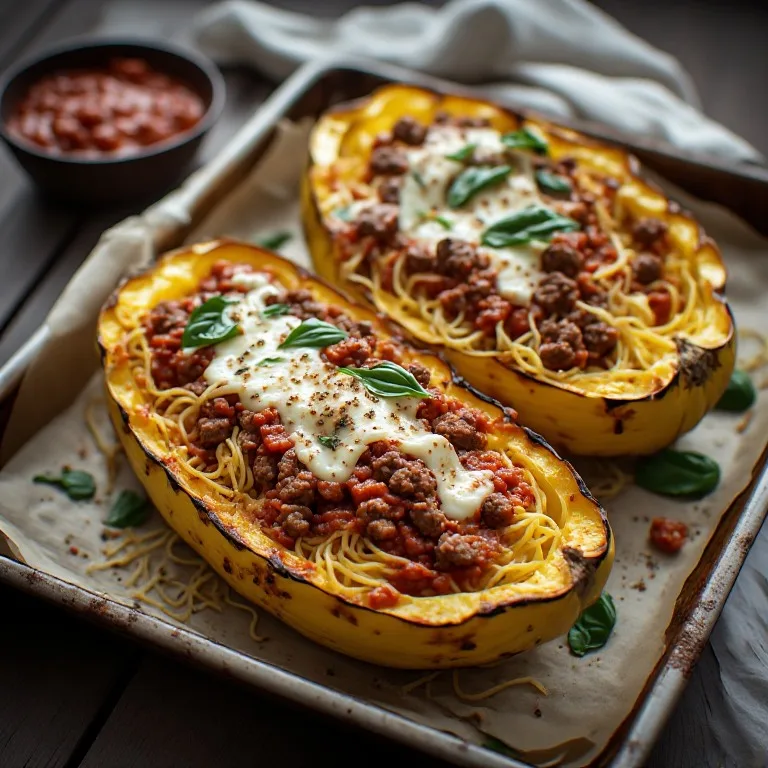
The viral TikTok spaghetti squash boats — roasted squash halves filled with Italian sausage, marinara, and melted mozzarella. The low-carb pasta swap that actually works, under $8 and on the table in an hour.

Easy Prep: 10 min Cook: 50 min Total: 1h 0m2 to 4 servings ~$4.50/serving
Prep10 min
Cook50 min
Total1h 0m
Servings
2
At home~$4.50/serving
vs
Restaurant~$20.25/serving
You save ~78%

The Story Behind the Recipe

Spaghetti squash went viral on TikTok for the best possible reason: the scraping moment is genuinely satisfying to watch. You roast a whole squash half, drag two forks along the interior, and long golden strands pull away from the skin like pasta being twirled out of nowhere. The "boats" format — filling the hollowed shell directly — kept creators posting because it photographs beautifully, serves in a single vessel, and the low-carb angle made it appointment content for millions of people looking for pasta alternatives that weren't sad. Health-focused restaurants charge $22–28 for a spaghetti squash entrée. A whole squash costs $3–5 at most grocery stores in fall, and the full meal with sausage and mozzarella comes in under $8.

The one technique that separates good spaghetti squash from great: roast it cut-side DOWN. Most recipes show it face-up, and most of those recipes end up watery because the moisture has nowhere to go. Face-down, the steam is trapped between the squash and the pan, cooking the strands evenly all the way through while the skin caramelizes very slightly against the heat. The result is tender, non-watery strands that hold sauce without falling apart. Everything else — the sausage, the marinara, the broiled mozzarella — is secondary to getting this right.

Nutrition Facts

Per serving (2 to 4 servings)
Calories490
Total Fat28g
Total Carbs22g
Dietary Fiber4g
Sugars10g
Protein24g
Sodium900mg

* Estimated values based on standard recipe preparation. Actual values may vary.

Ingredients

  • The squash
  • The filling
  • The topping

Instructions

💡
Pro tip: This recipe tastes even better the next day. The flavors need time to meld together in the fridge.
❄️
Storage: Keeps in an airtight container in the fridge for up to 2 weeks. Freezer-friendly for up to 3 months.
🎃 Free Halloween cookbook — download now The Copycat Halloween Cookbook A ready-made, photo-illustrated PDF of our best halloween copycat recipes — free to download, no building required. Pay what you want to support if you love it.

Free PDF — instant download. We'll also send new seasonal copycat recipes now and then; unsubscribe anytime. Or just download it →

Spaghetti Squash Boats — The Viral TikTok Low-Carb Pasta Swap That Actually Works

The spaghetti squash boats trend keeps returning to TikTok every fall for the same reason: the scraping moment. You drag two forks along a roasted squash half, and dozens of long golden strands pull away from the skin in a motion that looks almost exactly like twirling pasta. Creators caught onto this and ran with it — fill the hollowed shell with Italian sausage marinara, top with torn mozzarella, slide it under the broiler until bubbly and golden, and you have a genuinely dramatic, photogenic, satisfying meal that serves itself in its own vessel and costs under $8 for two people.

The low-carb angle didn’t hurt. Spaghetti squash has about 40 calories per cup of cooked strands — compared to roughly 220 for a cup of regular pasta. But the viral appeal isn’t really about counting calories. It’s that the “boats” format is clever, the presentation is beautiful, and the technique produces a real meal (not a compromise) in under an hour on a weeknight.

The One Technique That Changes Everything

Roast the squash cut-side down.

Almost every recipe photo shows squash face-up, which is the wrong way. Cut-side up lets moisture evaporate from the strands before they’re cooked through: the top surface dries out while the bottom is still dense and undercooked, and when you add sauce, the strands release excess water that thins everything out.

Cut-side down traps steam between the squash and the baking sheet. That steam is what actually cooks the strands through evenly — you’re essentially steaming the interior while the outside roasts. The strands come out tender, non-watery, and cohesive enough to hold a rich tomato sauce without falling apart.

Everything else in this recipe — the sausage, the quality of the marinara, the mozzarella — matters far less than this one call.

Scraping the Strands

After 40–50 minutes, the squash should dent noticeably when you press the outside firmly, like a ripe avocado. A fork pushed through the skin should meet no resistance. Flip both halves cut-side up (use heavy oven mitts — the steam release is real) and let them cool for 5 minutes.

Then, with two forks: one to anchor the shell against the pan, one to drag along the length of the squash in long sweeping strokes from the center toward the edge. The strands pull away cleanly and form a nest in the hollow shell. You want to scrape all the way down to the skin — there’s no part of the interior that isn’t strands.

Season the scraped strands lightly with salt and let them sit for a minute. Any residual moisture will collect at the bottom; tilt the shell over the sink to pour it off before adding sauce.

Building the Filling While the Squash Roasts

Italian sausage browned in a wide skillet, garlic cooked until fragrant, good marinara stirred in and simmered — this is the filling, and it takes 15 minutes while the squash does its 40–50 minutes in the oven. Use sweet Italian sausage for a milder result, hot Italian for more kick.

The marinara matters. A thin, sweet jarred sauce will make the whole dish taste generic. Rao’s is the default recommendation because it’s tomato-forward without being sweet and holds up visually in the boats without going watery. Any good-quality marinara with no added sugar and a short ingredient list works equally well.

The Broiler Finish

After filling the boats and topping with torn fresh mozzarella, the fastest finish is 3–4 minutes under the broiler on high — the cheese bubbles and browns in spots, the edges of the squash shell caramelize slightly, and the visual is exactly what you see in the TikTok videos. Watch it; 4 minutes is the safe maximum before the cheese transitions from golden to burnt. If you prefer a softer melt with less char, 8–10 minutes at 400°F in the oven gives a more even result.

Fresh basil scattered over the hot boats at the end is not optional. The heat wilts it slightly into the cheese while keeping the leaves distinct — it cuts the richness and makes the dish smell exactly like it should.

Variations

Chicken Alfredo boats. Shred a rotisserie chicken breast (about 2 cups) and fold it into a simple Alfredo sauce — 2 tablespoons butter, ½ cup heavy cream, ½ cup grated Parmesan, black pepper. Fill the boats and top with shredded gruyère or fontina. The creamy-savory contrast with the mildly sweet squash strands is genuinely excellent and different enough from the Italian version to stand on its own.

Taco boats. Season ¾ lb ground beef or turkey with cumin, chili powder, garlic powder, salt, and a splash of water. Sauté until cooked, add a can of black beans, taste for seasoning. Fill the boats, top with shredded cheddar, broil briefly, and finish with pickled jalapeños, sour cream, and fresh cilantro. A completely different dish in the same squash shell — for people who object to every squash preparation being Italian.

Mushroom and spinach boats (vegetarian). Sauté 8 oz sliced cremini mushrooms in olive oil over medium-high heat without crowding — you want real browning, not steaming, so work in batches if needed. Add garlic, then a bag of fresh spinach and stir until wilted. Add marinara, simmer 3 minutes. Genuinely satisfying with the mozzarella on top, and the mushrooms bring the same umami depth as the sausage.

Serving and Storage

One squash half is a full meal for one hungry person. For two people with lighter appetites, serve each half on a plate with a simple green salad alongside.

Leftover boats reheat well: cover with foil and bake at 350°F for 15 minutes, then uncover for 5 minutes to re-crisp the cheese. The strands soften slightly on reheat but the overall dish holds together well. Alternatively, scrape the strands out of leftover boats and reheat the components separately — strands in a pan with a splash of water, sauce reheated in the same pan, assembled cold on the plate and heated together.

Roasted (unfilled) squash halves keep in the fridge up to 3 days, making this an efficient meal-prep option: roast two squash on Sunday, fill and broil on demand through the week.

More Viral Fall Squash Recipes

If squash season has you cooking, the other TikTok-famous versions are worth a look. Viral TikTok Butternut Squash Mac and Cheese blends roasted butternut into the cheese sauce for color and body without changing the comfort-food flavor. Viral TikTok Roasted Butternut Squash Soup skips the peeling entirely and finishes with brown-butter sage. And Viral TikTok Baked Feta Butternut Squash Pasta folds squash into the baked-feta format that started the whole melt-the-cheese genre. For a non-squash weeknight TikTok dinner in the same one-pan spirit, Viral TikTok Marry Me Chicken is the obvious next make.
🥗

Make It Healthier

Love Spaghetti Squash Boats but want a lighter version? Try these simple swaps:

  • ✓Skip the sausage entirely and sauté 8 oz sliced cremini mushrooms and a bag of fresh spinach instead — cuts fat nearly in half and saves about 200 calories per boat
  • ✓Use part-skim shredded mozzarella instead of fresh to trim about 4g of fat per serving with no noticeable change to flavor
  • ✓Choose a no-salt-added or lower-sodium marinara to cut sodium by 300–400mg; add a pinch of salt at the end so you control the level
  • ✓One squash half is a full meal on its own — resist the urge to serve it alongside pasta or bread if you're watching carbs; the squash strands are genuinely filling

Frequently Asked Questions

Do I roast spaghetti squash cut-side up or cut-side down?

Cut-side down — always. This is the single most impactful thing you can do for better results. Face-down, the squash steams in its own moisture and the strands cook through evenly, turning tender without getting waterlogged. Face-up, the moisture evaporates, the exposed strands dry out on top while the center stays undercooked, and when you add sauce, the strands release extra water that thins everything out. Every photo of squash roasted cut-side up is well-intentioned and produces an inferior result.

How do I know when spaghetti squash is fully cooked?

Two tests: (1) press firmly on the outside of the squash — it should dent noticeably, like a ripe avocado. (2) push a fork through the skin — it should go through with no resistance. If it springs back or feels stiff, add 5–10 more minutes. The skin turns a slightly deeper yellow when fully cooked. Under-cooked squash is crunchy and the strands won't scrape cleanly; over-cooked squash is mushy and the strands fall apart. Aim for tender but with a very slight chew.

Can I make this vegetarian?

Yes — and it's very good. Skip the sausage and sauté 8 oz sliced cremini or baby bella mushrooms in the olive oil until deeply browned, 7–8 minutes on medium-high heat (don't crowd the pan or they steam instead of brown). Add the garlic, then the marinara. Alternatively, add a bag (5 oz) of fresh spinach to the marinara and stir until wilted. A combination of mushrooms and spinach with white beans added for protein is a genuinely satisfying plant-based version.

What other fillings work besides Italian sausage marinara?

Chicken Alfredo boats: shredded rotisserie chicken, jarred or homemade Alfredo sauce, topped with gruyère — the creamy-savory contrast with the squash is excellent. Taco boats: seasoned ground beef or turkey, black beans, pickled jalapeños, pico de gallo, cheddar, and sour cream — a completely different dish in the same shell. Broccoli cheddar boats: blanched broccoli florets, a simple cheese sauce made from butter, flour, milk, and sharp cheddar, baked until bubbly. The squash shell is neutral enough to work with almost any boldly seasoned filling.

Why is my spaghetti squash watery?

Three causes: roasted cut-side up (the most common), oversized squash (a 4+ lb squash has more water per strand), or undercooking (strands that didn't fully cook will weep water when disturbed). For the cut-side-up problem, flip the method. For watery strands: after scraping, let them sit in the shell for 2–3 minutes so steam escapes, then tilt the shell to pour off any visible liquid before adding sauce. Salting the strands lightly after scraping also pulls out residual moisture before it hits your sauce.

Can I make spaghetti squash boats ahead of time?

The squash can be roasted up to 3 days ahead — keep the halves in an airtight container or wrapped in foil in the fridge, strands unscraped or scraped. The sauce can also be made 3 days ahead. To finish: reheat the squash in a 350°F oven for 10 minutes until warm, then scrape, fill, and broil as normal. Assembled boats reheat well in a 350°F oven for 15 minutes covered with foil, then 5 minutes uncovered to crisp the cheese. They're slightly softer than fresh but still very good.

What size spaghetti squash should I buy?

3 to 3½ pounds is the sweet spot. At this size, the strands are long, firm, and hold sauce well. Smaller squash (under 2.5 lbs) produce short, sometimes mushy strands that can't support a rich sauce. Larger squash (over 4 lbs) have higher water content and thicker strands that require longer cooking time. If you can only find large ones, add 10 minutes to the roasting time and be ready to drain some liquid after scraping.

Love this recipe? Share it!

Free PDF: our 12 most-wanted copycat recipes — instant download.

Made it? Buy us a coffee

Every recipe here is free, with no paywalls. If this one was a hit at your table, a small tip keeps new copycats coming.

$

Ratings & Reviews

—
No ratings yet

Rate this recipe

Click a star to rate

Leave a Review

0/500

CS

Copycat Spices Editorial

Researched + fact-checked. Every recipe on Copycat Spices is built from published sources — official ingredient lists, brand-published recipes, interviews and food-science references — and fact-checked before it goes live, then written as clear, step-by-step instructions for home cooks of all skill levels.

Learn more about our mission →