Pin It

Copycat Burger King Onion Rings: The Onion Paste Secret

Copycat Burger King Onion Rings: The Onion Paste Secret
Jump to Recipe
Prep 25 min Cook 20 min Serves 4
Quick answer: Burger King onion rings are not made from whole onion slices. They're formed from a paste of dehydrated minced onion molded into ring shapes, then battered with a cornstarch-heavy coating and fried at 350°F. The paste method concentrates natural onion sugars (explaining the slight sweetness) and eliminates the moisture that makes whole-onion rings separate from their batter. At home, pack the onion paste into ring molds, chill 30 minutes to set, flour-dip, then batter-dip, then fry until deep golden. A fresh-onion version using the same cornstarch batter gets you 80% of the way there if you skip the paste.

Copycat Burger King Onion Rings: The Onion Paste Secret

Burger King onion rings are NOT made from whole onion slices — they're formed from a dehydrated onion paste molded into rings. Here's how to replicate the identical crispy cornstarch shell and the paste method at home, plus a practical fresh-onion variation.

Medium Prep: 25 min Cook: 20 min Total: 45 min4 servings ~$4.50/serving
Prep25 min
Cook20 min
Total45 min
Servings
4
At home~$4.50/serving
vs
Restaurant~$20.25/serving
You save ~78%

Ingredients

Instructions

💡
Pro tip: This recipe tastes even better the next day. The flavors need time to meld together in the fridge.
❄️
Storage: Keeps in an airtight container in the fridge for up to 2 weeks. Freezer-friendly for up to 3 months.
~200-400 cal/serving

The Story Behind the Recipe

Copycat Burger King Onion Rings

Why BK Onion Rings Don’t Look Like Onion Rings

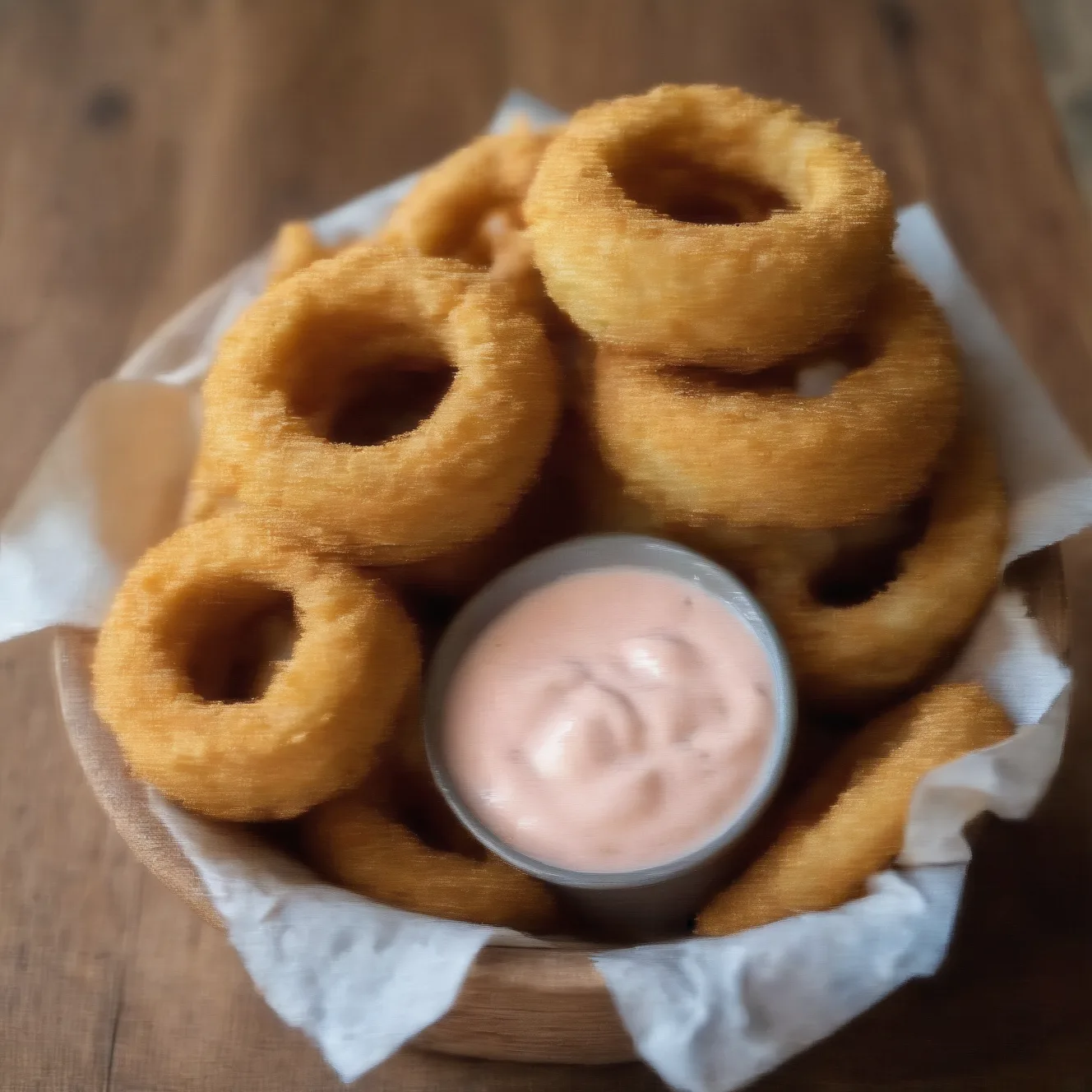
Most people assume they’re eating a slice of yellow onion inside a crispy shell. They’re not. Burger King onion rings are made from a paste of dehydrated minced onion, formed into rings, battered, and fried. That’s it. No whole onion slices, no intact vegetable inside.

This matters because it explains everything that seems strange about BK’s rings: why they’re so uniform in size and shape, why the ring and batter never separate the way they do with whole-onion versions, why they have that mild sweetness without tasting aggressively like raw onion, and why they stay structurally intact all the way to the bottom of the bag.

BK introduced this approach for chain-scale consistency. Dehydrated onion has a predictable, low moisture content batch after batch. Fresh onions vary — different moisture levels, sizes, and pungency depending on the season and the supplier. A paste eliminates all those variables. When you’re serving millions of rings per day, consistency beats authenticity.


The Cornstarch Batter: Why It Fries Different

The second thing most copycat recipes get wrong is the batter. BK’s coating is not panko, not regular breadcrumbs, and not a beer batter. It’s a cornstarch-heavy flour batter with a small amount of fine cornmeal for texture.

Cornstarch fries differently than flour because it has minimal gluten. When wheat flour hits hot oil, the gluten network creates a flexible, somewhat chewy crust. Cornstarch creates almost no gluten network, so it sets into a hard, rigid shell — exactly what BK’s rings have. The glass-like snap you get when you bite through a BK ring is cornstarch at work.

The 1:1 flour-to-cornstarch ratio in this recipe produces a batter that’s thin enough to coat evenly (it won’t be thick like a tempura) but fries up rigid. Adding cornmeal introduces just enough texture to prevent the shell from being completely smooth, which is accurate to the original.


The Fresh Onion Version

If you’d rather not source dehydrated minced onion or deal with ring molds, you can make a respectable approximation using fresh yellow onion rings and the same batter. The texture will be slightly different — the batter may separate from the onion in places, and the flavor will be sharper and more pungent — but the crunch is the same.

For fresh rings: cut a large yellow onion into 3/4-inch rounds. Separate into individual rings and discard the very small inner rings (they won’t fry evenly). Pat completely dry with paper towels — moisture is the enemy. Dredge in flour, shake off excess, dip in the cornstarch batter, and fry at 350°F for 2 to 2.5 minutes. Fresh onion takes slightly less time than the paste because the onion is already tender.

The key improvement over most homemade recipes: use the cornstarch batter above instead of a flour-only batter. Even with fresh onion, the 1:1 cornstarch ratio gives you the hard shell BK is known for.


Oil Temperature: Non-Negotiable

At 350°F, the cornstarch batter hits the oil and the surface layer of moisture immediately flashes to steam, puffing the batter slightly and creating the rigid set you want. The moisture inside the paste or onion cooks out slowly through the now-sealed crust.

Below 325°F, the oil is too cool to set the batter immediately. The rings absorb oil before the crust forms, producing greasy rings with a soft exterior. Above 375°F, the batter gets dark before the inside warms through.

A clip-on fry thermometer is the most important tool in this recipe. Don’t skip it. Let the oil recover to 350°F between batches — it drops 20–30 degrees every time you add cold rings.


BK vs. the Competition
ChainOnion typeBatter typeKey characteristic
Burger KingDehydrated onion pasteCornstarch-heavy, smoothUniform rings, sweet, rigid shell
Arby’sFresh whole onionThin flour batterSlightly lacy, separates easily
SonicFresh whole onionBeer batterThick, pronounced flavor, soft interior
Dairy QueenFresh whole onionBreadedGrainy crust, least crispy
Outback Bloomin’ OnionWhole fresh onionHeavy spiced breadingFlavor-forward, massive portion

BK is the only major chain using the paste formulation — it’s a unique product in the fast-food landscape.


Nutrition

BK medium onion rings: 360 calories / 16g fat / 48g carbs / 4g protein / 640mg sodium. Home version (paste method, 3 rings): approximately 220 calories / 11g fat / 28g carbs / 3g protein — fewer calories per serving primarily because the batch is smaller and the oil isn’t recycled.


What to Serve With These

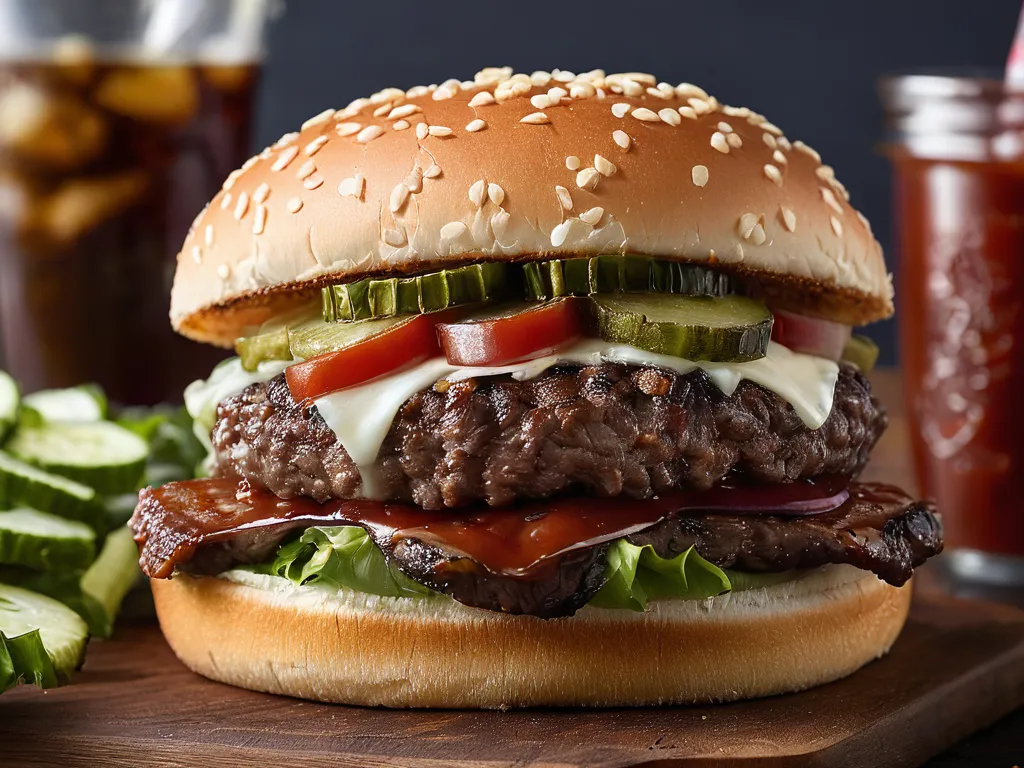
The classic BK pairing is the Copycat Burger King Whopper — the rings were designed as a side for the burger. For a comparison within the fried-onion genre, the Copycat Outback Bloomin’ Onion is the flavor-bomb version and makes a good study in how different the same raw ingredient can taste. For other iconic fast food sides, Copycat Arby’s Curly Fries and Copycat Five Guys Cajun Fries use different seasoning approaches to the same fried-potato concept.
Equipment You'll Need

2.5-to-3-inch ring molds or cookie cutters

For forming the onion paste into consistent ring shapes — metal cutters work best; press firmly and slide off

Deep, heavy-bottomed pot or Dutch oven

Cast iron or heavy stainless steel holds temperature better than a thin pot — critical for consistent results

Instant-read or clip-on fry thermometer

Oil temperature is the most important variable here; a thermometer is not optional

Wire rack over a baking sheet

For draining finished rings — paper towels trap steam and soften the crust you worked to build

Frequently Asked Questions

Are Burger King onion rings made from real onions?

Yes, but not in the way most people expect. BK onion rings are made from a combination of dehydrated minced onion, dehydrated chopped onion, and onion powder — not whole fresh onion slices. That paste is molded into ring shapes and fried in a cornstarch-heavy batter. The result is a uniform ring with no separated layers, concentrated onion flavor, and a consistently crispy shell batch after batch. BK introduced this formulation for consistency: dehydrated onion has much lower and more predictable moisture content than fresh, making it possible to produce millions of identical rings.

Why do Burger King onion rings taste slightly sweet?

The mild sweetness comes from the natural sugars concentrated in dehydrated onion — not added sugar. Fresh onions contain water and sugars in roughly a 90:10 ratio. When you dehydrate onion, you remove most of the water, so the natural sugars become a much larger percentage of what remains. When BK's rings fry, those concentrated sugars caramelize at the surface of the paste, producing the characteristic sweet-savory balance that tastes different from onion rings made with fresh onion slices.

What is in Burger King's onion ring batter?

The coating is a wheat flour and cornstarch batter — not panko, not breadcrumbs. The cornstarch is what produces the rigid, glass-like shell BK's rings are known for. Cornstarch has very little gluten (unlike all-purpose flour), so it fries into a stiffer, crisper crust. BK also uses yellow corn flour (fine cornmeal) in the batter, which adds a slight corn note and additional crunch. The result is a batter that fries to a smooth, hard shell rather than the lacy, delicate crust that a pure-flour batter produces.

How do you make the onion paste at home?

Combine 1 cup of dehydrated minced onion with just enough warm water to rehydrate (about 1/2 cup) — let it absorb for 5 minutes, then drain thoroughly and press out as much moisture as possible. Mix in 2 tablespoons of all-purpose flour to bind, plus 1/4 teaspoon of onion powder, 1/4 teaspoon of salt, and a pinch of sugar. Pack firmly into 2.5-to-3-inch ring molds (or cut rings from cookie cutter sets) to about 1/2-inch thickness. Chill uncovered in the refrigerator for at least 30 minutes to firm up before battering.

What is the difference between BK onion rings and Outback Bloomin' Onion?

Completely different products despite both being fried onion. The Outback Bloomin' Onion is a whole yellow onion, sliced into a flower-petal pattern and fried in a heavily seasoned breaded coating (with cayenne, paprika, garlic) — it's crispy on the outside, nearly raw-onion tender inside. BK onion rings are bite-sized paste rings with a neutral, smooth batter that fries to a thin glass-like shell. The Bloomin' Onion is about seasoning impact; BK onion rings are about the paste-to-batter ratio and the pure onion sweetness.

Can you bake BK onion rings instead of frying?

Baking won't replicate the texture. The crispy shell that makes BK onion rings distinctive requires rapid heat from hot oil — the starch granules in the cornstarch burst and set instantly in 350°F oil. In an oven or air fryer, the heat is slower and more diffuse, and the batter dries out rather than frying, producing a crisped breading rather than a hard shell. If you must avoid deep-frying, an air fryer at 400°F for 10–12 minutes with a spray of oil gets closer than a conventional oven, but the shell will be softer and lighter in color.

How do BK onion rings compare to McDonald's or other fast food onion rings?

McDonald's hasn't served onion rings nationally in the US since the 1970s. Among current chains: Arby's uses whole fresh onion rings in a thin batter (the result separates easily and is lacier). Sonic's onion rings are beer-battered fresh rings (pronounced in flavor, thick and lacy). Dairy Queen's onion rings are fresh-ring in a breaded coating. BK's paste-based rings are the most structurally distinctive — the uniform molded paste produces a consistently round, dippable ring with no separation, making them a fundamentally different product from all the above.

Love this recipe? Share it!

Free PDF: our 12 most-wanted copycat recipes — instant download.

Ratings & Reviews

No ratings yet

Rate this recipe

Click a star to rate

Leave a Review

0/500

CS

Copycat Spices Test Kitchen

Every recipe on Copycat Spices is developed and tested in our home test kitchen. We reverse-engineer beloved restaurant dishes and refine each one until the flavors and the instructions work reliably for home cooks of all skill levels.

Learn more about our mission →