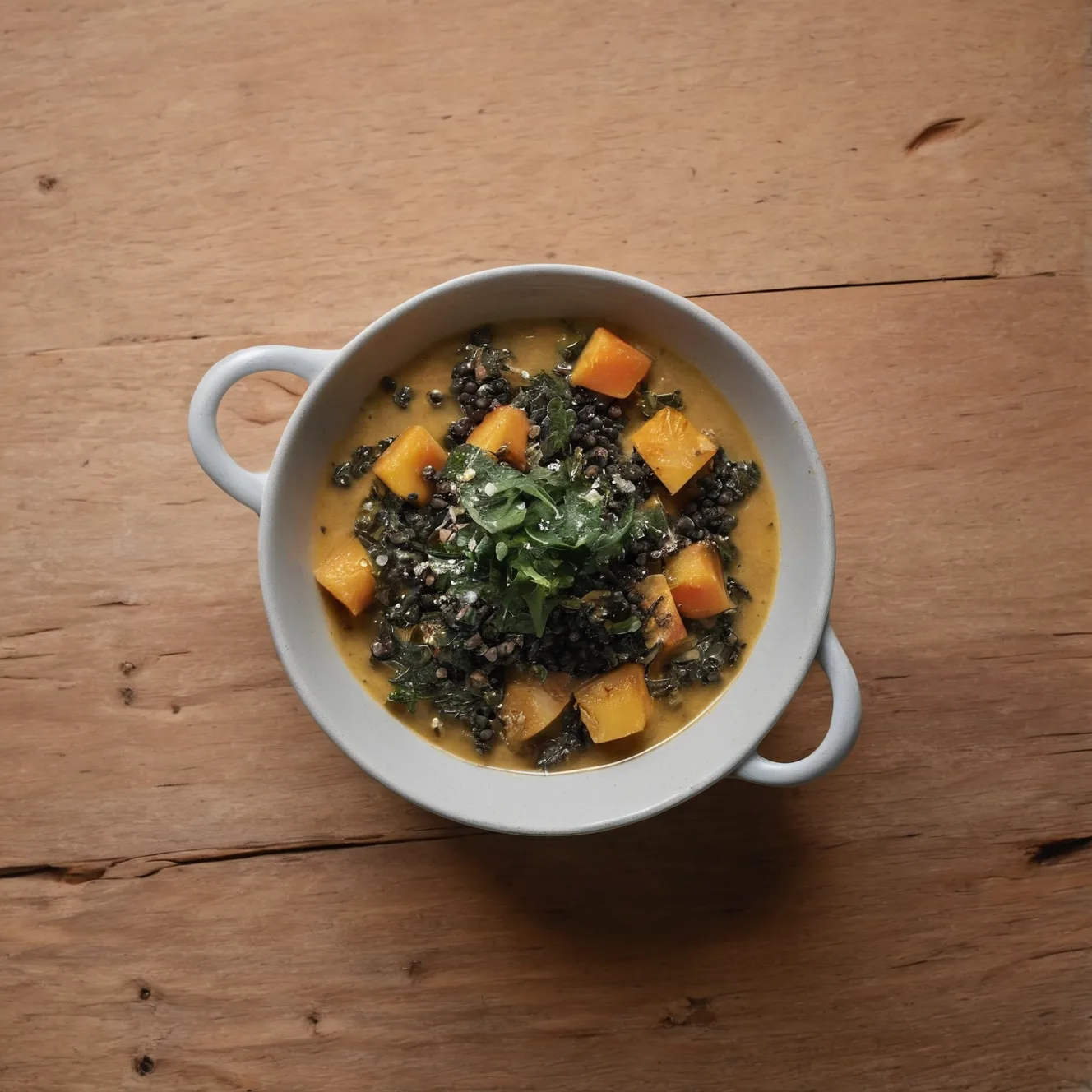
Copycat Panera Chicken Tikka Masala Soup
Panera’s Chicken Tikka Masala Soup debuted in January 2023 and has returned for fall and winter menu rotations since — it’s one of the chain’s most-searched seasonal items among people who loved it and can’t find it on the current menu. This recipe is built around what Panera actually lists as ingredients, not a generic tikka masala recipe with “chicken” added.
TL;DR
Spiced tomato broth with black lentils, butternut squash, kale, coconut milk, and shredded chicken. The tamarind is the ingredient that makes it taste like the restaurant version — not a substitute for traditional tikka masala cream, but the specific sourcing note that keeps Panera’s broth tasting bright and tangy rather than flat. About 1 hour; serves 6.
Why This Isn’t Traditional Tikka Masala
If you order chicken tikka masala at an Indian restaurant, you get a thick, cream-heavy curry sauce — rich, orange-red, poured over rice. Panera’s version shares the name but diverges sharply in structure:
It’s a soup, not a sauce. The broth-to-ingredient ratio is completely different. Panera thins the tomato base with chicken stock to produce a spoonable soup, not a coating sauce.
The additions don’t belong in tikka masala. Black beluga lentils, diced butternut squash, and kale are vegetables you’d find in a harvest soup or dal, not in a classic restaurant tikka masala. Panera is using the tikka masala spice vocabulary — garam masala, turmeric, coriander, cumin — but building a different dish around it.
Coconut milk instead of cream. Traditional restaurant tikka masala gets its richness from heavy cream. Panera uses coconut milk, which produces a lighter broth with a faint tropical undertone that cream doesn’t have.
Tamarind. This is the single biggest departure from the classic. Tamarind is a sour, molasses-adjacent fruit paste used in Indian chutneys and dals and in Southeast Asian cooking. It’s not an ingredient in traditional tikka masala — but it’s listed explicitly on Panera’s ingredient statement. It keeps the tomato-coconut broth from tasting sweet or one-dimensional, adding a tangy sourness similar to what a squeeze of lime does at the end of a dal.
Understanding that structure is why most copycat recipes for this soup are off: they treat it as a tikka masala sauce served thin, rather than as a genuinely different Indian-spiced broth.
The Black Lentils: What to Look For
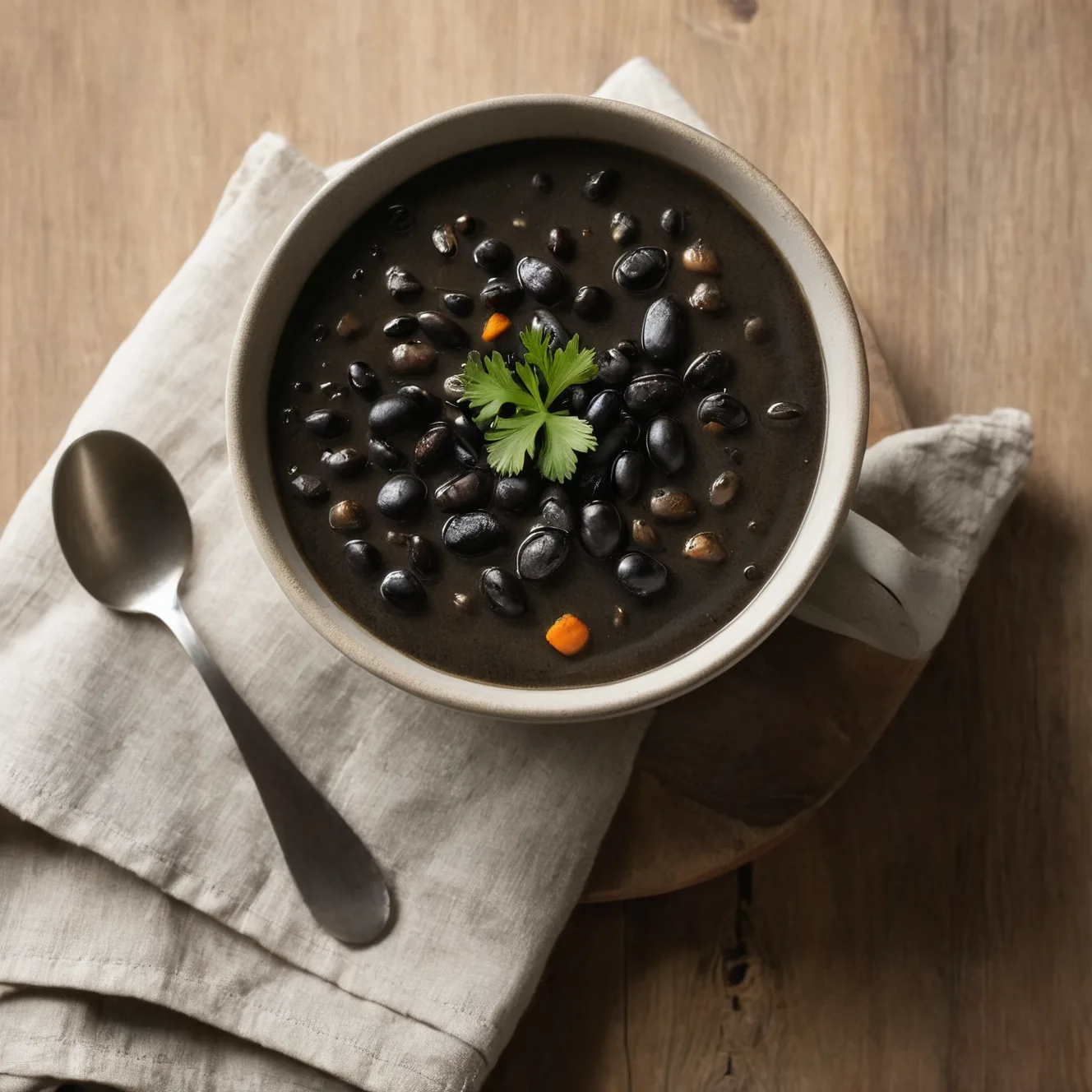
Black lentils (also called beluga lentils or black caviar lentils) are smaller and firmer than the more common green, brown, or red lentils. Their outer shell stays intact during cooking, so they look like small shiny beads in the finished soup — you can see them clearly in each spoonful, and they don’t dissolve into the broth.
This matters for texture. Panera’s soup has visible, intact lentils alongside the identifiable squash chunks and kale pieces — it looks like a composed soup, not a puréed one. If you use red lentils (which dissolve into liquid almost immediately) or green lentils cooked too long (which go mushy), you’ll get a thicker, less defined texture.
Find black lentils at any Indian grocery store (where they’re inexpensive), at Whole Foods or Natural Grocers, or on Amazon. They’re labeled “black lentils,” “beluga lentils,” or occasionally “black caviar lentils.” Rinse them through a fine mesh strainer — they’re small enough to escape a normal colander.
The Tamarind Question
Tamarind is the most unusual ingredient in this recipe, and the one most copycats skip because it seems hard to source. It’s easier to find than you’d expect.
What you’re looking for: Tamarind paste or tamarind concentrate. Look for a small jar of dark-brown paste in the international aisle at large grocery stores (near the Indian foods), at any Indian or Asian grocery store, or at Mexican markets (tamarind appears in Mexican cooking too). Brands like Tamicon, Laxmi, or MDH all work. A jar lasts months refrigerated.
Why it matters: In Panera’s soup, tamarind contributes a sour, slightly fruity tang — the culinary equivalent of squeezing lemon juice into a tomato sauce at the end. It’s subtle in the finished bowl, but without it the broth tastes sweeter and flatter than the restaurant version. The coconut milk leans creamy and mild; the tomatoes are sweet by nature; the spices are warm and earthy. Tamarind is the acidic counterpoint that makes the whole thing taste like more than the sum of its parts.
If you truly can’t find it: Combine 1½ teaspoons of fresh lime juice with ½ teaspoon of Worcestershire sauce. This gets you in the right direction — tangy, slightly savory — though the specific flavor of tamarind (which has a faint dried-fruit quality) isn’t exactly replicated.
The Spice Blend Decoded
Panera’s ingredient statement lists “classic Indian spices” without naming each one. Based on the soup’s flavor profile — specifically its garam-masala-forward warmth, the turmeric-yellow undertone, and a background cumin earthiness — the spice blend breaks down as:
| Spice | Role |
|---|---|
| Garam masala | The primary aromatic — warm, complex, sweet-savory spice blend |
| Cumin | Earthy depth; the most common base spice in Indian cooking |
| Coriander | Citrus-adjacent brightness; rounds out the cumin |
| Turmeric | Color (golden-orange) and mild bitterness |
| Cinnamon | Sweetness and warmth; Panera’s soup has a subtle sweet spice note |
| Cayenne | Heat — the soup has mild-to-medium heat; adjust to preference |
Bloom these spices in oil before adding any liquid. Thirty seconds of direct heat in fat is the step that converts raw powdered spices from dusty and flat into deep, fragrant, and layered. It’s why the recipe instructs you to add them to the onions before pouring in the broth.
What the Brown Rice and Quinoa Garnish Does
At Panera, the soup comes with a mound of brown rice and quinoa blend placed in the center of the bowl. It’s not stirred in — it sits on top, and each spoonful picks up a little grain with the soup. The effect is textural contrast: the soft grains against the firmer lentils and squash pieces, and the mild flavor of the grains against the spiced broth.
At home, cook the rice and quinoa separately (or buy a pre-cooked packet — the microwave brown rice and quinoa blends at most grocery stores are perfectly acceptable here). Spoon a small portion — about 1/4 cup — into the center of each bowl just before serving. Don’t stir it in; let people mix it themselves as they eat.
If you want to skip the grains, the soup is complete without them. The lentils supply enough carbohydrate and bulk that the grain garnish is enhancement, not structural.
Serving in a Bread Bowl
Panera serves this soup in a sourdough bread bowl — their standard presentation for any soup that earns it. Our guide to making a Panera-style bread bowl at home covers the sourdough boule technique for home bakers. For a quick version: buy a round sourdough boule from any grocery store bakery, cut the top off to make a lid, hollow out the interior leaving about a 3/4-inch wall, and brush the inside lightly with olive oil before filling.
The bread bowl format works especially well with this soup’s tomato-coconut broth: the acidity from the tomato and tamarind slowly soaks into the sourdough, which gets increasingly flavorful as you eat your way toward the bread.
For other soups from Panera’s seasonal rotation — our Autumn Squash Soup and Broccoli Cheddar Soup are both bread-bowl-worthy — the same technique applies.
Storage and Reheating
This soup stores and reheats exceptionally well. The lentils continue to absorb broth in the refrigerator, so day-two servings will be thicker; add a splash of broth when reheating to loosen it. The butternut squash softens further over time but doesn’t disintegrate.
Refrigerator: Up to 5 days in an airtight container.
Freezer: Up to 3 months. Freeze the soup base without the grain garnish — the rice and quinoa get waterlogged when frozen. Add fresh-cooked grain when you reheat. The lentils, squash, and kale all freeze cleanly.
Reheating: Medium-low stovetop heat; stir frequently. The coconut milk can separate slightly after refrigerating — this is normal. A vigorous stir while reheating re-emulsifies it. Do not boil after reheating; boiling breaks the emulsion and causes the coconut milk to separate permanently.
Related Panera Soups
If you’re building a Panera soup rotation at home, these are the other major options the chain has run as seasonal items:
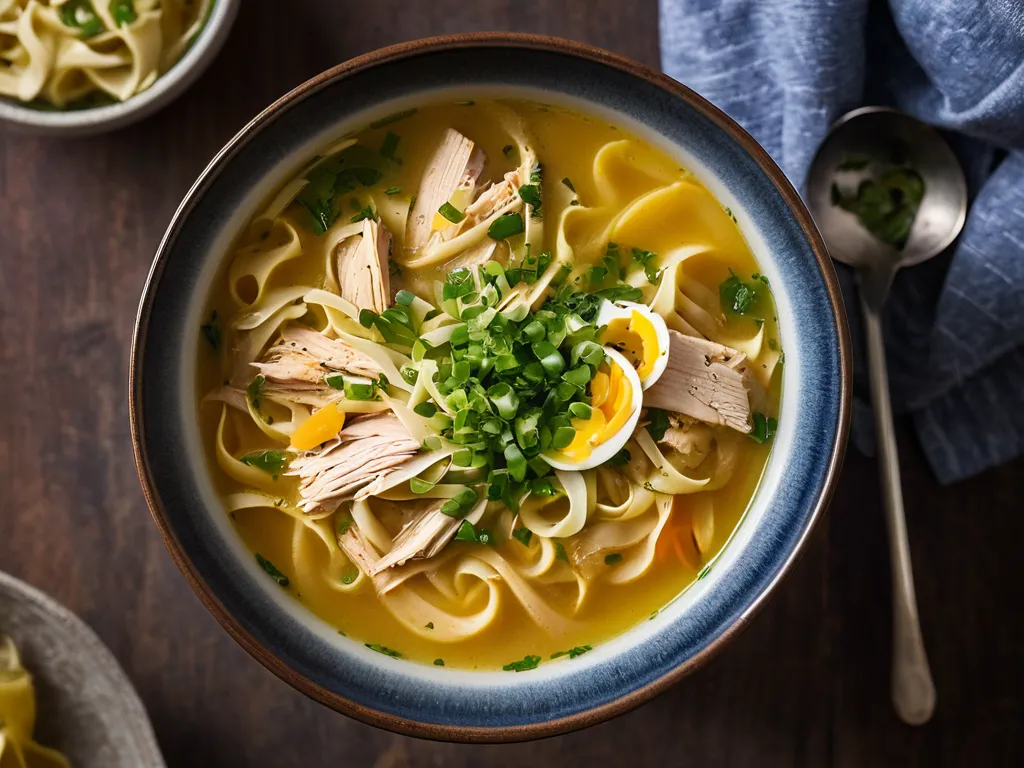
- Panera Chicken Noodle Soup — the year-round classic
- Panera Lemon Chicken Orzo Soup — the discontinued spring favorite
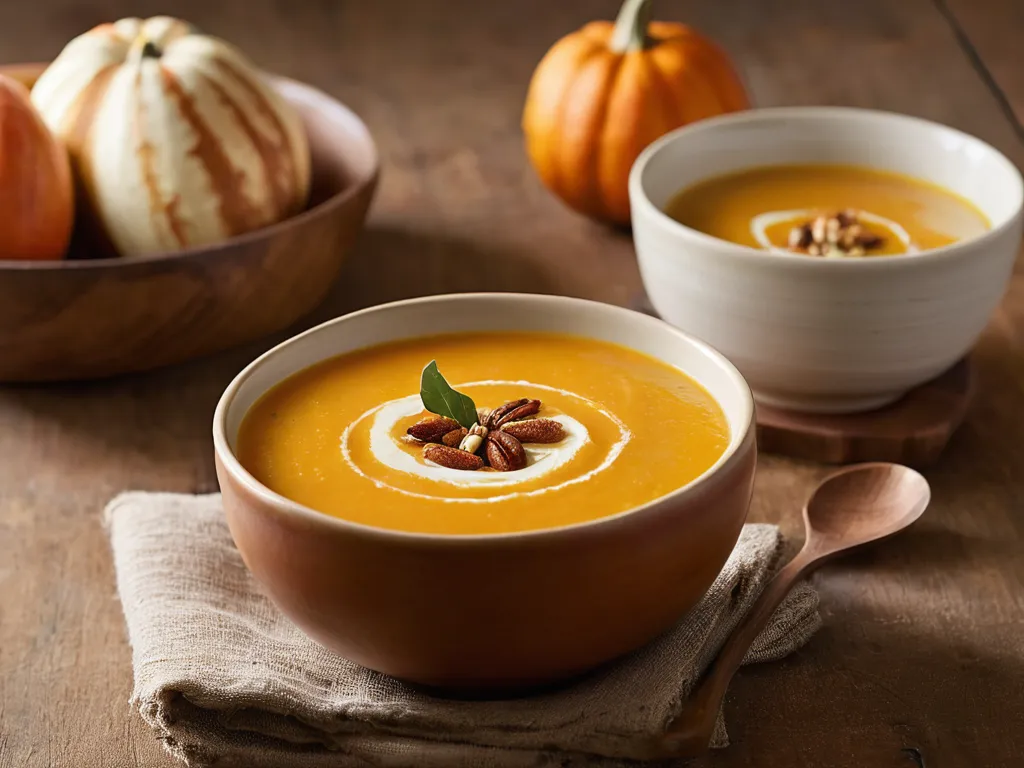
- Panera Autumn Squash Soup — seasonal fall, same rotation as this one
- Panera Broccoli Cheddar Soup — the perennial most-ordered
- Panera Tomato Soup — the creamy tomato baseline