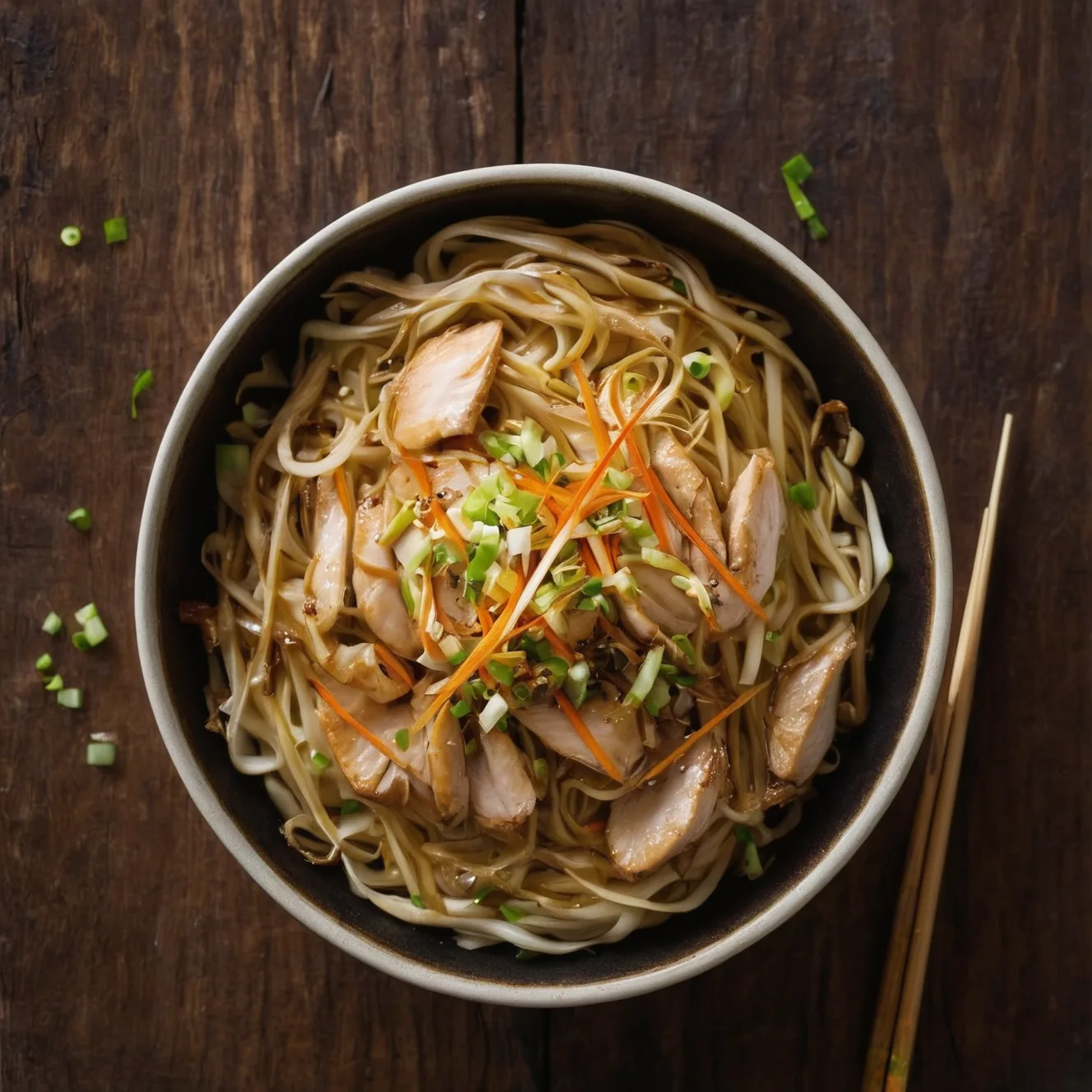
Copycat P.F. Chang’s Chicken Lo Mein
Prep time: 25 min
Cook time: 12 min
Servings: 4
P.F. Chang’s Signature Lo Mein is the noodle dish that ends up on nearly every table. Chewy egg noodles wok-tossed with shiitake mushrooms, snap peas, celery, carrot, cabbage, and bean sprouts in a savory soy-oyster sauce — clean and satisfying, with every vegetable retaining some bite. The chicken is noticeably silkier than most takeout versions because of a velveting step most home cooks skip. The noodles stay separate and chewy because they are cooled and dried before they touch the wok.
This recipe captures the three things that separate the restaurant version from generic lo mein: properly velveted chicken, a soy-and-oyster sauce base, and a wok hot enough to actually stir-fry instead of steam. Everything comes together in about 12 minutes once prep is done.
Why Make It at Home?
P.F. Chang’s Signature Lo Mein with Chicken costs approximately $16–17 before tax and tip. This recipe produces four generous servings for about $12 in ingredients — roughly $3 per plate. More importantly, the pantry staples here — soy sauce, oyster sauce, sesame oil, rice wine, shiitake mushrooms — carry over into every other Chinese stir-fry in this site’s collection. Once they are in your kitchen, you have most of what you need for Kung Pao Chicken, Mongolian Beef, and Dan Dan Noodles without a separate shopping trip.
The home version lets you control the vegetable ratio. P.F. Chang’s serves a relatively noodle-forward bowl. This recipe uses a generous vegetable hand — if you want more noodles and fewer vegetables, reduce the broccoli and cabbage. If you prefer a lighter bowl, cut the noodles to 6 ounces and double the vegetables.
What Makes P.F. Chang’s Lo Mein So Good
Velveting is the technique most home cooks never use. Coating sliced chicken in egg white, cornstarch, soy sauce, and rice wine before cooking forms a thin protective layer. When the velveted chicken hits the hot wok, that coating sets immediately and seals in moisture. The result is chicken that is genuinely silky — smooth and tender even at stir-fry temperatures. Without velveting, chicken breast in a wok is dry and chewy within 2 minutes. This single technique explains most of the texture gap between restaurant and home lo mein.
The sauce is a two-base system. Soy sauce provides the salt and primary umami. Oyster sauce adds a richer, slightly sweet depth that makes the sauce cling to noodles rather than pool at the bottom of the bowl. Dark soy sauce adds color — lo mein should be a warm amber-brown. Some copycat recipes use hoisin as the primary sauce, which produces a noticeably sweeter, plummier result that does not match what the restaurant serves. Sesame oil finishes the dish off heat, where its flavor is preserved.
The noodles must be cooled before they go into the wok. Fresh noodles added directly from the pot carry so much steam and surface moisture that they drop the wok temperature and braise rather than stir-fry. Rinse them under cold water until cool, toss with a drop of oil, and they will separate easily and char slightly at the edges when they hit the smoking wok.
Heat is non-negotiable. The wok needs to be smoking before any ingredient goes in. At home burner temperatures, you can approximate this by preheating an empty wok for 2–3 minutes and cooking in batches small enough that you can hear an aggressive sizzle the moment anything touches the pan.
Lo Mein vs. Chow Mein: What’s the Difference?
Both dishes use egg noodles and stir-fry aromatics, but the technique and texture are different.
Lo mein (tossed noodles) uses pre-boiled, soft egg noodles that are tossed with a sauce at the end of cooking. The noodles stay chewy and absorb the sauce. This is what P.F. Chang’s Signature Lo Mein is.
Chow mein (fried noodles) uses thinner noodles that are stir-fried until partially crispy, or — in Hong Kong style — pressed into a noodle cake and pan-fried on both sides before sauce is poured over the top. The result has crispy edges and a different sauce-delivery structure.
P.F. Chang’s current restaurant menu does not have a separate chow mein dish. Searches for “PF Chang’s chow mein” consistently lead to the Signature Lo Mein, which is the restaurant’s flagship noodle offering.
Tips & Variations
- Fresh noodles are worth seeking out. The refrigerated lo mein noodles at Asian grocery stores are noticeably thicker and chewier than dried versions and hold sauce without getting gummy. Dried lo mein noodles, linguine, or thick spaghetti all work as substitutes — cook them slightly underdone since they finish in the wok.
- Velvet for 20 minutes minimum. The egg white and cornstarch need time to adhere. Longer marinating only helps — the chicken can sit velveted in the refrigerator for up to 2 hours before cooking.
- Do not substitute white mushrooms for shiitake. White button mushrooms are bland and watery in a stir-fry. Shiitake have a dense, meaty texture and a concentrated umami that the dish relies on. Dried shiitake rehydrated in warm water for 20 minutes are even more flavorful than fresh.
- Cook the chicken in one layer. If your pan is crowded, cook the chicken in two batches. Overcrowding drops the temperature and produces grey, steamed chicken instead of seared, lightly charred pieces.
- Vegetarian version: Omit the chicken and swap oyster sauce for mushroom soy sauce (1½ tablespoons) or a gluten-free certified oyster sauce alternative. Double the shiitake and add pressed, pan-fried firm tofu for protein.
Storage & Reheating
Lo mein keeps 3 days in a covered container in the refrigerator. The noodles absorb the remaining sauce as they sit and actually taste more concentrated the next day.
Reheat in a wok or skillet over medium-high heat with 1–2 tablespoons of water. Stir constantly for 2–3 minutes until heated through and the noodles loosen up. The microwave works but produces uneven results — some sections soggy, others still cold.
Lo mein does not freeze well. Egg noodles turn mushy when thawed, and the vegetables lose any remaining texture. Make it fresh; it comes together fast enough that leftovers rarely survive two days.
More P.F. Chang’s Copycats to Round Out the Table
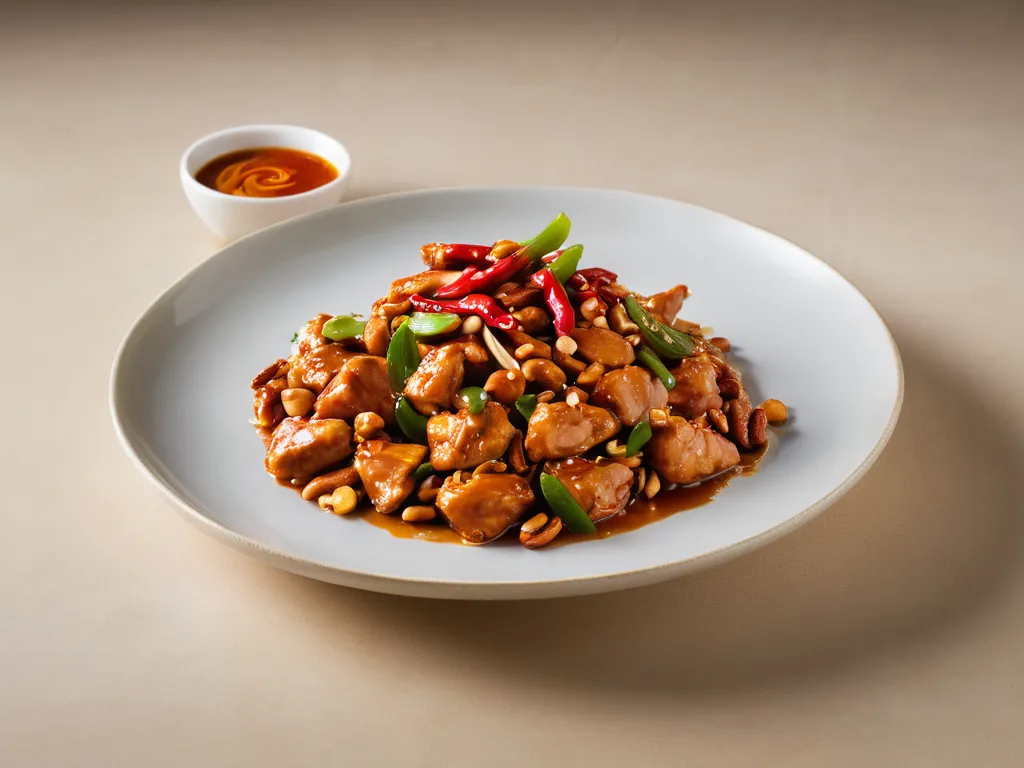
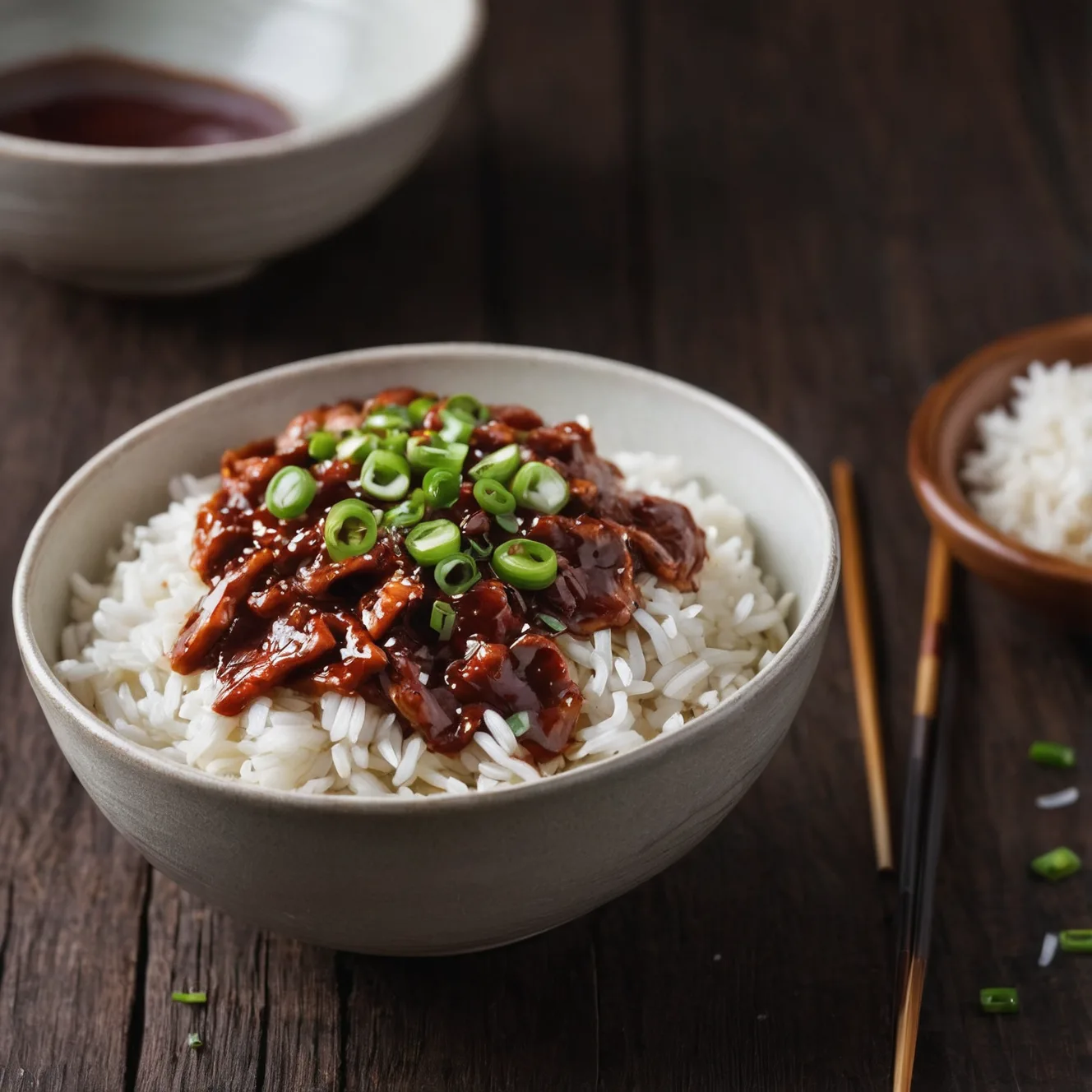
Lo Mein is a mild, crowd-pleasing noodle toss with no heat. If you want to build a spread, pair it with something spicier or a protein-forward main. The Dan Dan Noodles bring a Sichuan sesame-chili kick, while Kung Pao Chicken and Mongolian Beef give you saucy, no-noodle mains that share most of the same pantry.