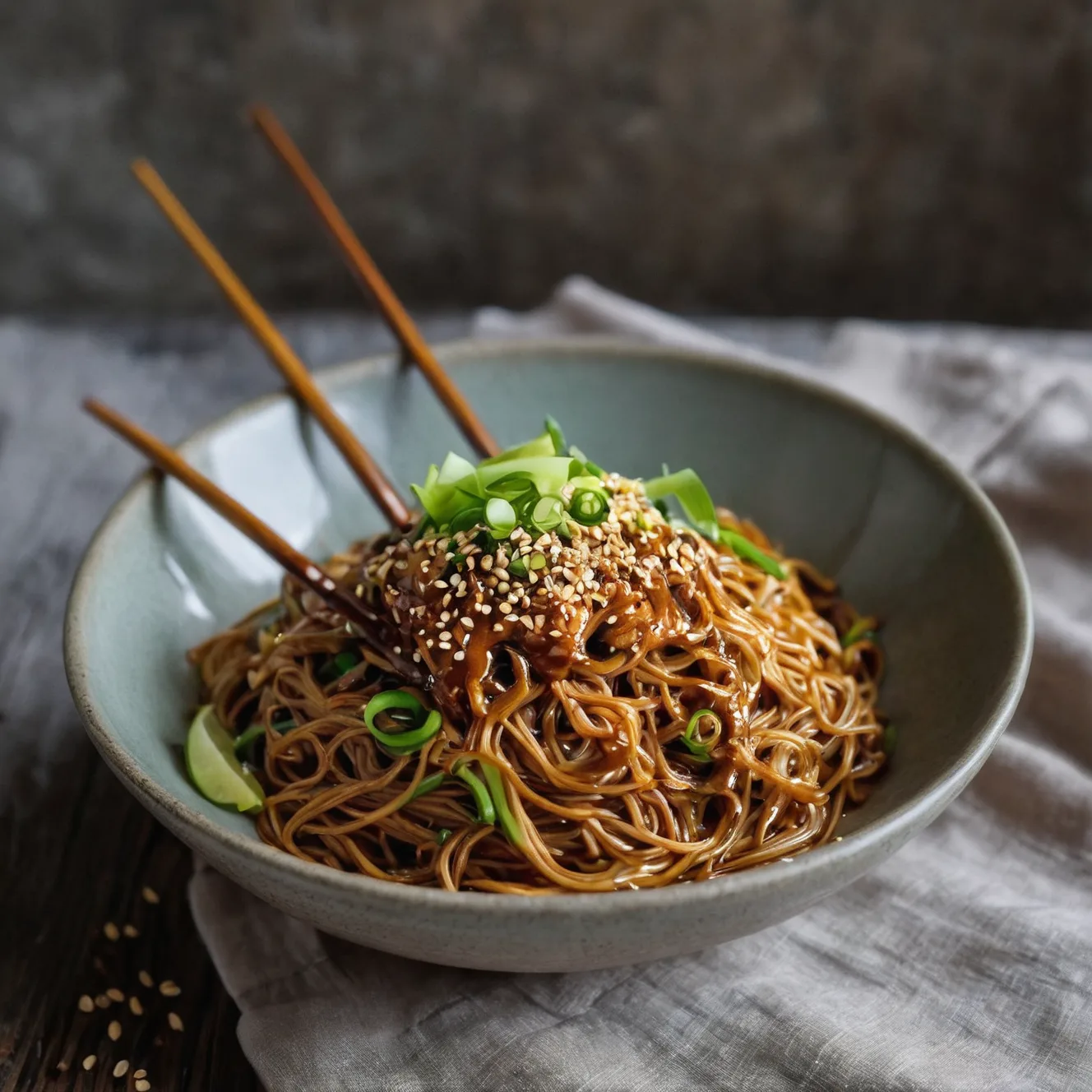
Copycat P.F. Chang’s Garlic Noodles
Prep time: 10 min
Cook time: 10 min
Servings: 4 (as a side)
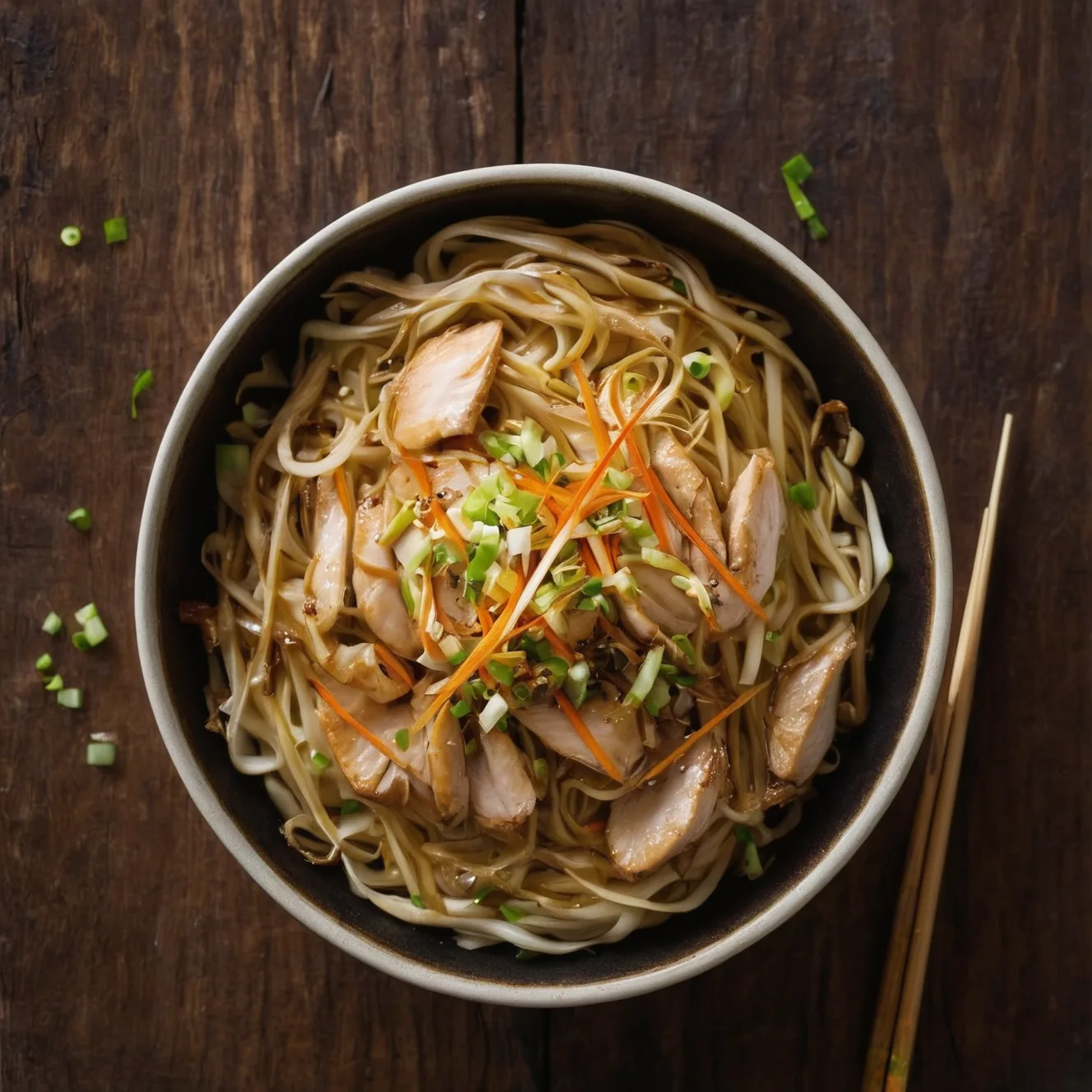
P.F. Chang’s brought back Garlic Noodles in September 2025 after a wave of social media requests — and they came back as a Shareable Side: lo mein noodles stir-fried in a chili-spiced garlic butter sauce. The official description is brief: “savory stir-fried noodles in chili-spiced butter and garlic sauce.” That short sentence tells you the three things that matter. This is a butter-based sauce, not a soy-forward one. The garlic is the centerpiece, not a background note. And the chili heat is built into the butter, distributed through every bite rather than piled on top.
This recipe captures those three elements and adds the finishing sesame oil the restaurant’s description leaves unstated — because every great garlic noodle dish needs it. Ready in 20 minutes from a cold pan.
Why P.F. Chang’s Brought These Back
The Garlic Noodles had previously appeared on the P.F. Chang’s menu before being removed during a round of menu simplification. Their September 2025 return was explicitly attributed to fan pressure — the company cited “a frenzy of social media requests” as the trigger. They came back priced at about $11.99 as a Shareable Side, served with a few slices of cucumber on the plate, which positions them as a table addition rather than a standalone meal.
The return happened as part of a broader menu expansion that added sushi rolls and a cocktail collection. The Garlic Noodles generated more online coverage than any other item in that drop — partly because the “fan-requested return” story is a better headline than “new cocktails,” and partly because the dish has genuine momentum with home cooks who cannot recreate it without an official recipe to work from.
What Makes the Sauce Different
Butter is the primary fat, not oil. Most Chinese stir-fry dishes use vegetable or sesame oil. The Garlic Noodles use butter — the official menu says so directly. Butter carries garlic flavor differently than oil: it absorbs the garlic’s volatile compounds and distributes them through the sauce as an emulsified fat rather than a clean oil. The result is richer and more rounded than a sesame-oil version of the same garlic quantity.
The chili is bloomed in the butter. Blooming means adding chili flakes to hot fat before any liquid. This extracts the fat-soluble capsaicin compounds and distributes them evenly through the sauce. Chili added at the end produces hot pockets; chili bloomed in butter becomes structural — present in every bite at a consistent, mild-to-medium level.
Oyster sauce brings savory depth without sweetness. The “savory sauces” in the official description almost certainly include oyster sauce, which adds a concentrated umami that soy sauce alone cannot provide. A small amount of fish sauce rounds out the saltiness with additional umami depth without a distinctly fishy note.
Sesame oil is the finish, not the cooking fat. Added off heat, its aromatic compounds are preserved. Added during cooking, they evaporate before the dish reaches the table. This is the most common home-cook mistake with sesame oil: treating it as a cooking fat.
The Most Important Technique: Patient Garlic
The garlic must be cooked over medium-low heat, not high heat. This is counterintuitive for anyone used to wok recipes where everything moves fast at maximum temperature.
Low-and-slow garlic develops mellow sweetness without bitterness. High-heat garlic cooks unevenly — the surface burns while the interior stays raw — and even slightly burned garlic produces a harsh, acrid note that dominates the entire dish. Stir constantly. The garlic should be deeply fragrant and showing only the faintest gold at the edges when you add the chili. Two to three minutes is not too long.
The contrast with the Lo Mein is instructive: that recipe adds garlic at high heat for 15 seconds before the vegetables follow. Garlic Noodles give it 3 minutes of unhurried attention. Different dishes, different philosophies.
Tips & Variations
- Fresh lo mein noodles are worth the trip. The refrigerated section at any Asian grocery store carries them — thicker, more elastic, and better at holding a butter sauce without going pasty. Dried lo mein, thick spaghetti, or linguine work, but cook them al dente; they finish cooking in the pan.
- 8 cloves is the minimum. This recipe uses 8 cloves — roughly a small head of garlic. The butter mellows the raw pungency significantly; what ends up in the finished dish is deep and aromatic, not sharp. Reducing the garlic produces noodles with garlic flavor, not Garlic Noodles.
- Skip the Parmesan. Some garlic noodle copycat recipes add Parmesan, borrowed from the Vietnamese-American SF garlic noodle tradition (Thanh Long, Crustacean). That is a specific regional dish with Italian-fusion DNA. P.F. Chang’s official description mentions no cheese, and adding it shifts the flavor toward cheesy-buttery rather than garlic-chili-forward. It is a good dish — just a different one.
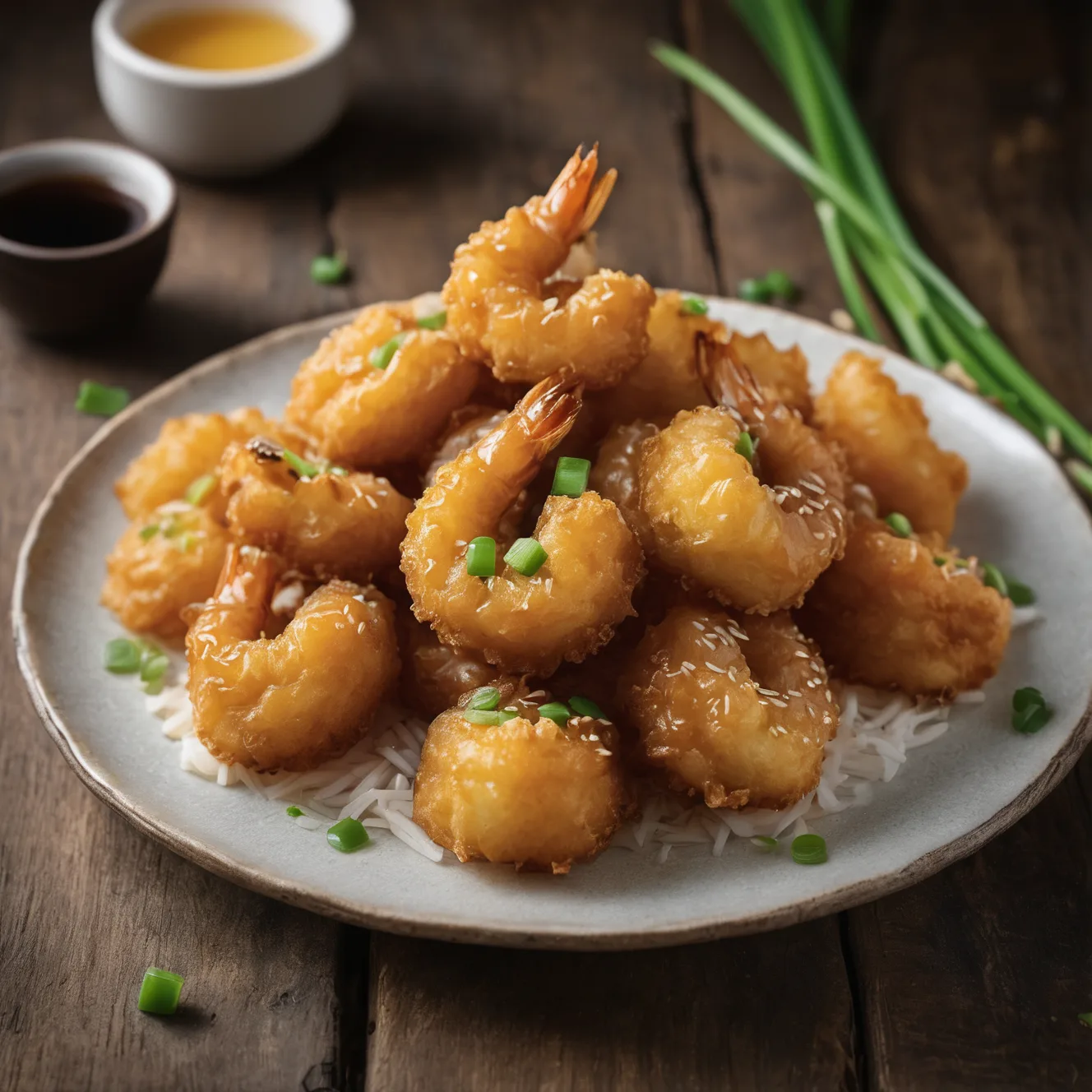
- Shrimp version: Season shrimp with salt, pepper, and a pinch of chili flakes. Sear in butter over high heat, 2 minutes per side, then remove. Make the sauce and noodles, then lay the shrimp over the top at serving. Do not toss shrimp into the wok after adding the noodles — they overcook within seconds.
- Prep the sauce in advance: The oyster-soy-fish-sugar mixture keeps for a week refrigerated in a small jar. Having it premixed makes this a genuinely 10-minute weeknight dish once the noodles are cooked.
Storage & Reheating
Garlic noodles keep 3 days covered in the refrigerator. The noodles absorb the remaining sauce as they cool and the leftover version often tastes more concentrated and garlicky than the freshly made one.
Reheat in a skillet over medium heat with 1 tablespoon of butter and 1 tablespoon of water. Stir until the butter melts and the noodles loosen, about 2 minutes. The microwave works but produces uneven results. The dish does not freeze — egg noodles lose their chew entirely when thawed and the butter sauce separates.
More P.F. Chang’s Recipes to Pair With These
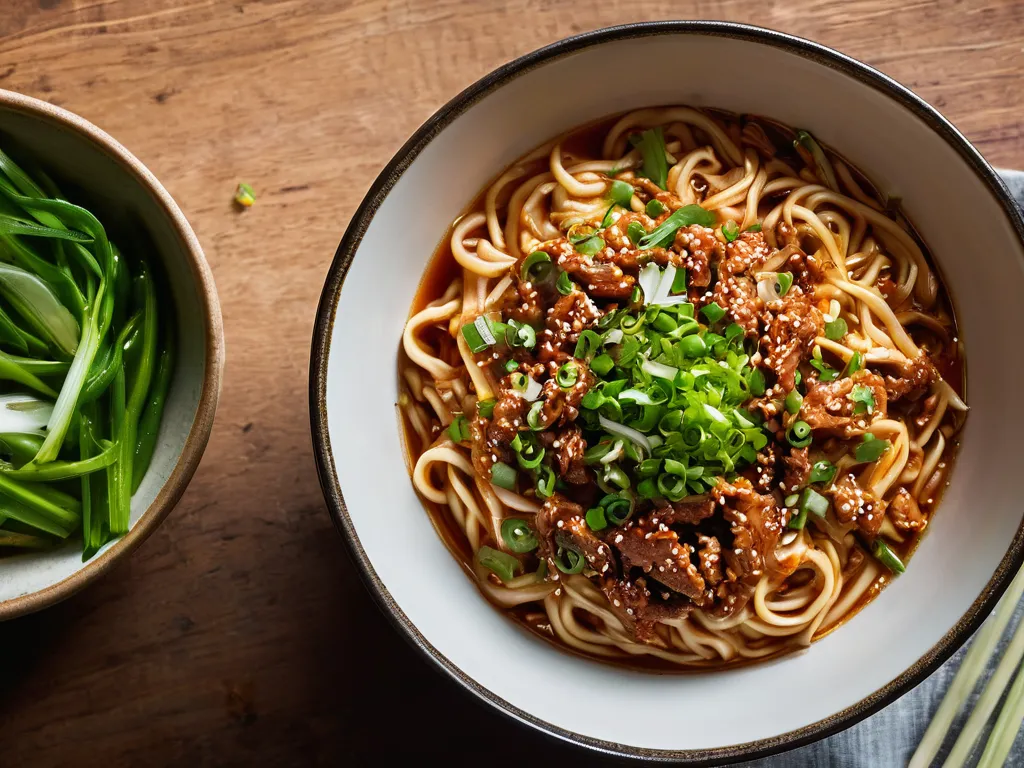
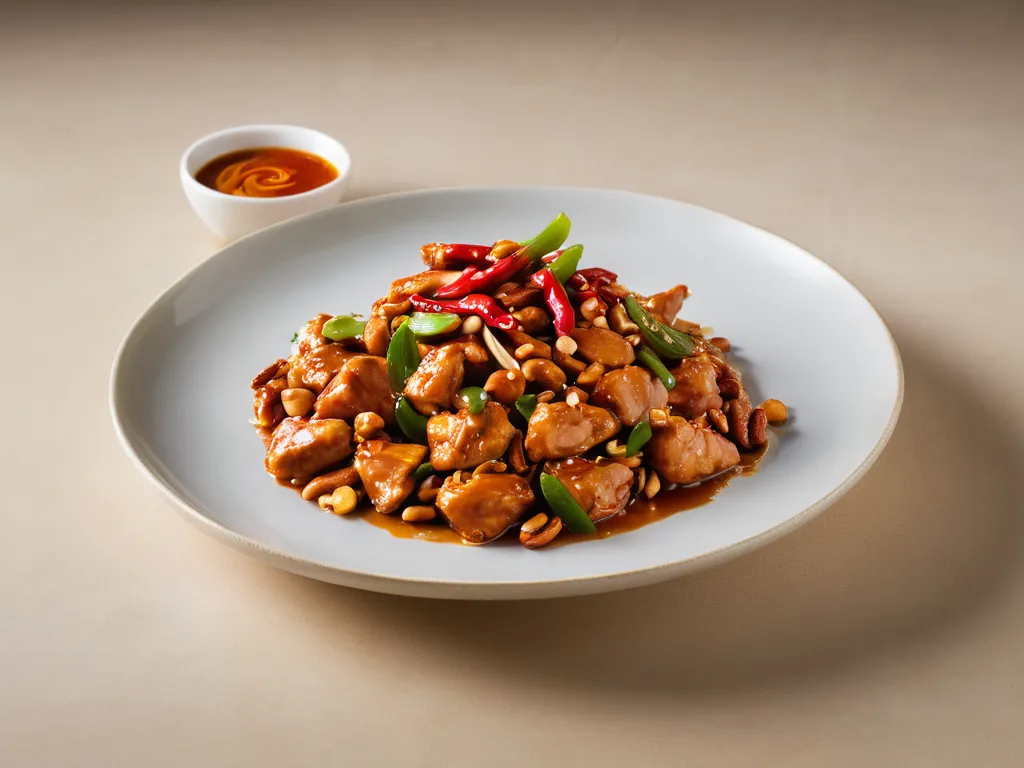
The Garlic Noodles are a side dish — they need an entrée alongside them. Kung Pao Chicken is the most natural pairing: spicy, saucy, and wok-charred where the noodles are rich and mild. Mongolian Beef takes 20 minutes — the same as the noodles — and its soy-brown sugar sauce echoes the garlic noodles’ savory-sweet balance without competing. For something lighter to cut through the butter richness, the Chicken Lettuce Wraps are crisp and herb-forward. If you want a spicy noodle dish instead of a side, the Dan Dan Noodles deliver a Sichuan sesame-chili profile that is the complete opposite of a garlic butter base — and excellent for comparison.