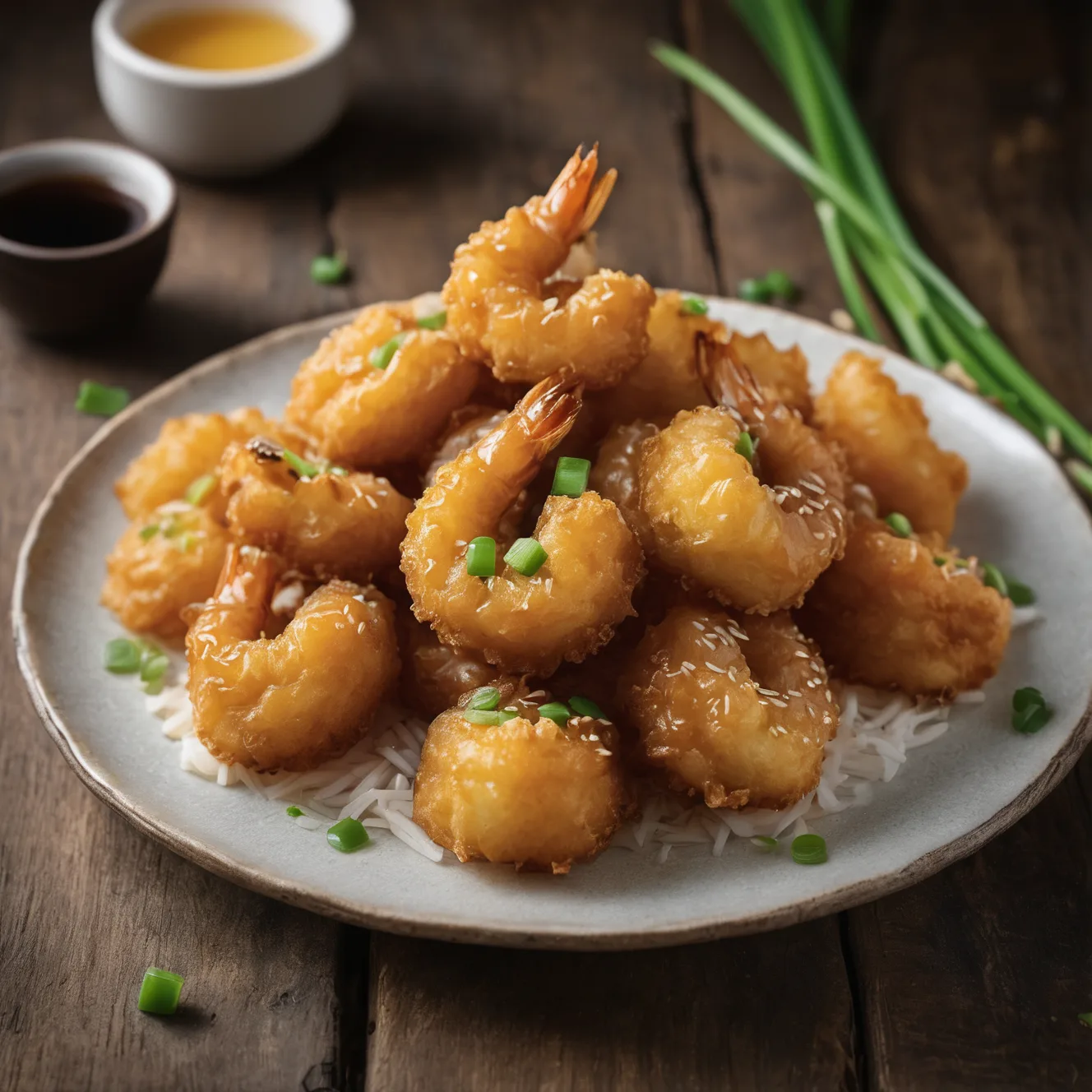
Copycat P.F. Chang’s Crispy Honey Shrimp
Prep time: 20 min Cook time: 15 min Servings: 4
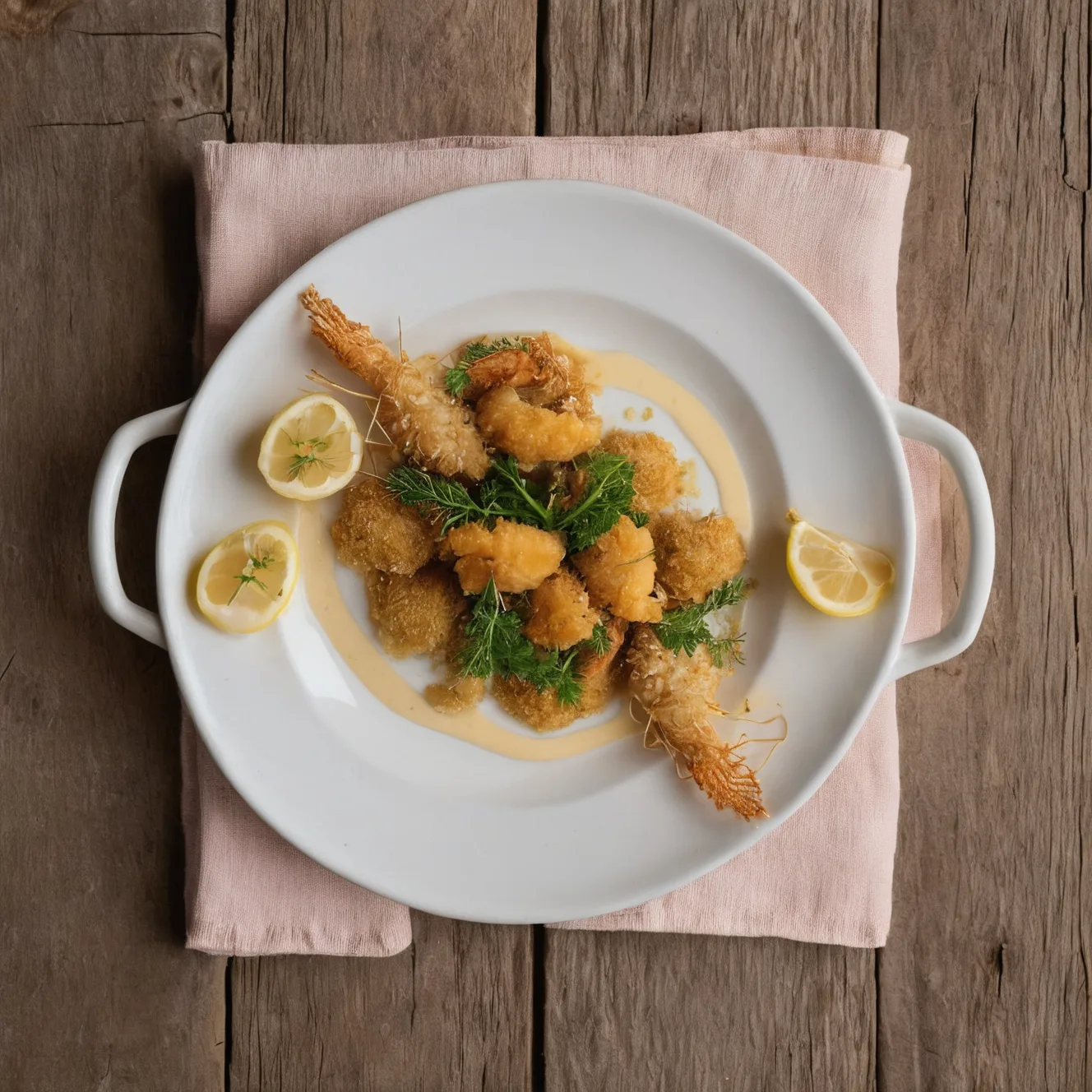
P.F. Chang’s Crispy Honey Shrimp is the dish that surprises people who expect something spicy. It is pure sweet-tart-savory: butterflied jumbo shrimp battered to a light, crunchy shell and then coated in a glossy honey glaze built on rice wine and rice vinegar. The sauce is not candy-sweet — the vinegar and Shaoxing wine cut through so each bite finishes clean, not cloying. You get the kind of shrimp that shatters when you bite it, then gives way to the rich, lacquered glaze.
The two things that separate this from a generic honey shrimp recipe are the butterfly cut and the rice wine in the sauce. Butterflying opens the shrimp flat, which doubles the surface area for the batter and produces a crust that holds onto the thick glaze instead of letting it slide off. The rice wine adds a malty depth — fermented grain complexity that honey alone can’t replicate. The rice vinegar keeps the whole sauce from reading as sweet.
Why Make It at Home?
The Crispy Honey Shrimp runs about $24 as a dinner entree at P.F. Chang’s. That gets you one plate. This recipe costs about $14 in ingredients for four full servings — roughly $3.50 per plate. The honey, rice wine, and rice vinegar last for months in the pantry, so after the first batch your recurring cost is just the shrimp and the rice.
The calorie count also works in your favor. The restaurant’s dinner entree comes in around 1,000 calories (before rice) — CalorieKing lists it at 1,020. The home version — smaller portions with less oil absorbed in a properly heated pot — runs closer to 430 calories per serving. If you are serving shrimp over rice as a full meal, the math still lands well below the restaurant plate.
What Makes the Sauce Work
The sauce has four flavor pillars: sweetness from the honey, acidity from the rice vinegar, savory depth from the soy sauce and garlic, and fermented complexity from the rice wine. Each one balances the others. Reduce any one pillar and the sauce collapses — cut the vinegar too much and it becomes cloying; skip the rice wine and it tastes flat.
The cornstarch slurry is what gives the dish its restaurant appearance. Unreduced, the sauce is thin and watery — it would run off the shrimp and pool at the bottom of the plate. After adding the slurry and cooking 1-2 minutes, it becomes thick enough to coat a spoon and cling to every curve of the battered shrimp. This is the step that makes the dish look and eat like the restaurant version rather than something assembled at home.
The garlic goes into the sauce raw, not pre-sautéed, because it cooks during the reduction. This gives you a softer, more integrated garlic flavor — present but not sharp. If you want a stronger hit, add half a teaspoon of fresh grated ginger alongside the garlic.
The Batter and the Butterfly Cut
The butterfly cut is not decorative. When you slice each shrimp almost all the way through and press it flat, you create a wider, flatter surface that holds batter differently than a curved, whole shrimp. The batter distributes evenly, adheres on both sides, and produces a more uniform crunch. It also means each shrimp cooks faster, since the thicker end is now opened and exposed to the hot oil. P.F. Chang’s uses jumbo shrimp specifically because the larger size gives the butterfly cut room to spread — smaller shrimp lose the effect.
The batter uses both flour and cornstarch. Flour provides structure and body; cornstarch lightens the texture and helps the crust shatter rather than chew. The baking powder adds just enough lift to keep the coating airy. The egg binds the batter and adds richness. Ice-cold water is the essential variable: cold water slows gluten development, which keeps the batter from becoming dense. If the batter warms up while you work through the batches, set the bowl in a larger bowl of ice water.
Tips & Variations
- Keep the oil at 350–375°F. Let it recover between batches. Frying below 350°F means the batter absorbs oil before it can form a crust — you get heavy, greasy shrimp.
- Do not crowd the pot. Five to six shrimp per batch is the maximum. More than that drops the temperature sharply and ruins the texture.
- Make the sauce first. It can sit and wait; the shrimp cannot. Getting the sauce done before you start frying means you can glaze immediately while everything is hot.
- Add heat if you want it. Stir a teaspoon of chili garlic sauce or half a teaspoon of red pepper flakes into the sauce after the slurry goes in. The restaurant version is sweet, not spicy, but the sauce can handle a little heat without losing its character.
- Serve over fried rice. P.F. Chang’s Mongolian Beef and Crispy Honey Shrimp served over fried rice makes a full takeout-style dinner from two pans.
Honey Shrimp vs. Dynamite Shrimp: What’s the Difference?
P.F. Chang’s Dynamite Shrimp uses the same battered-and-fried technique but coats the shrimp in a cold, creamy spicy aioli — mayonnaise, sriracha, rice vinegar, and honey. The Crispy Honey Shrimp uses a warm, reduced glaze with no dairy or mayo. The texture difference is significant: dynamite sauce coats shrimp cold (temperature contrast is the point), while the honey glaze is warm and lacquer-thick. Dynamite Shrimp reads as a spicy app; Crispy Honey Shrimp reads as a sweet entree. They are completely different eating experiences despite both being battered-shrimp dishes.
If you want to compare the sweet-without-heat style across cuisines, the Panda Express Honey Sesame Chicken uses a similar honey-soy sauce approach with chicken thighs and a sesame finish — a good parallel for anyone who likes this dish’s flavor profile.
Storage & Reheating
Like all battered-and-glazed dishes, this one is best the moment it comes off the stove. The batter stays crisp for about 5–7 minutes after glazing, then begins to soften as the sauce moisture penetrates the crust. If you are feeding a crowd in stages, fry all the shrimp first, hold them on the wire rack, and glaze each batch just before serving.
Leftover glazed shrimp can be refrigerated for 1 day. Reheat in a single layer in a 400°F oven for 5 minutes — the batter will not fully re-crisp, but the glaze warms nicely and the shrimp stays tender. The honey sauce alone keeps for up to 2 weeks in a sealed jar in the refrigerator. It also works as a dipping sauce or glaze for chicken thighs or salmon — the rice wine and garlic make it versatile.
For the cleanest result if you know you will have leftovers: portion and glaze only what you plan to eat, and store the remaining fried shrimp and sauce separately.
Frequently Asked Questions
What’s the best shrimp size for this recipe? Jumbo shrimp (21-25 count per pound) is the right size. The butterfly cut needs surface area to work — smaller shrimp (31-40 count) are too narrow to open properly and the batter overwhelms the shrimp-to-crust ratio. If you can only find extra-large (26-30 count), those work, but you lose some of the dramatic presentation of the butterflied form.
Can I use frozen shrimp? Yes, and most shrimp sold at grocery stores has been previously frozen anyway. Thaw overnight in the refrigerator or under cold running water for 10 minutes. Pat completely dry before marinating — moisture is the enemy of batter adhesion. Any water left on the shrimp will steam instead of fry and produce a patchy, uneven crust.
Is Shaoxing rice wine the same as rice vinegar? No — they are completely different. Rice wine is a fermented, mildly alcoholic ingredient with a malty, umami-forward flavor. Rice vinegar is sharp and acidic. This recipe uses both: the rice wine goes into the sauce for depth, the rice vinegar goes in for acidity. Using only one or the other produces a flat, one-note sauce. Dry sherry is the best substitute if Shaoxing wine is unavailable.
Why does my sauce turn lumpy when I add the slurry? The slurry must be added to a SIMMERING (not boiling) sauce while stirring constantly. Boiling causes the cornstarch to clump before it can disperse. If lumps form, pull the pan off the heat, whisk vigorously, and return to medium heat. Strain through a fine-mesh sieve as a last resort.
Can I make this gluten-free? Use tamari in place of soy sauce and a 1:1 gluten-free flour blend in place of all-purpose flour. The batter texture changes slightly — GF flour absorbs water differently — so add water 1 tablespoon at a time until you reach the same consistency. Shaoxing rice wine contains trace gluten; substitute dry sherry or a gluten-free rice wine.