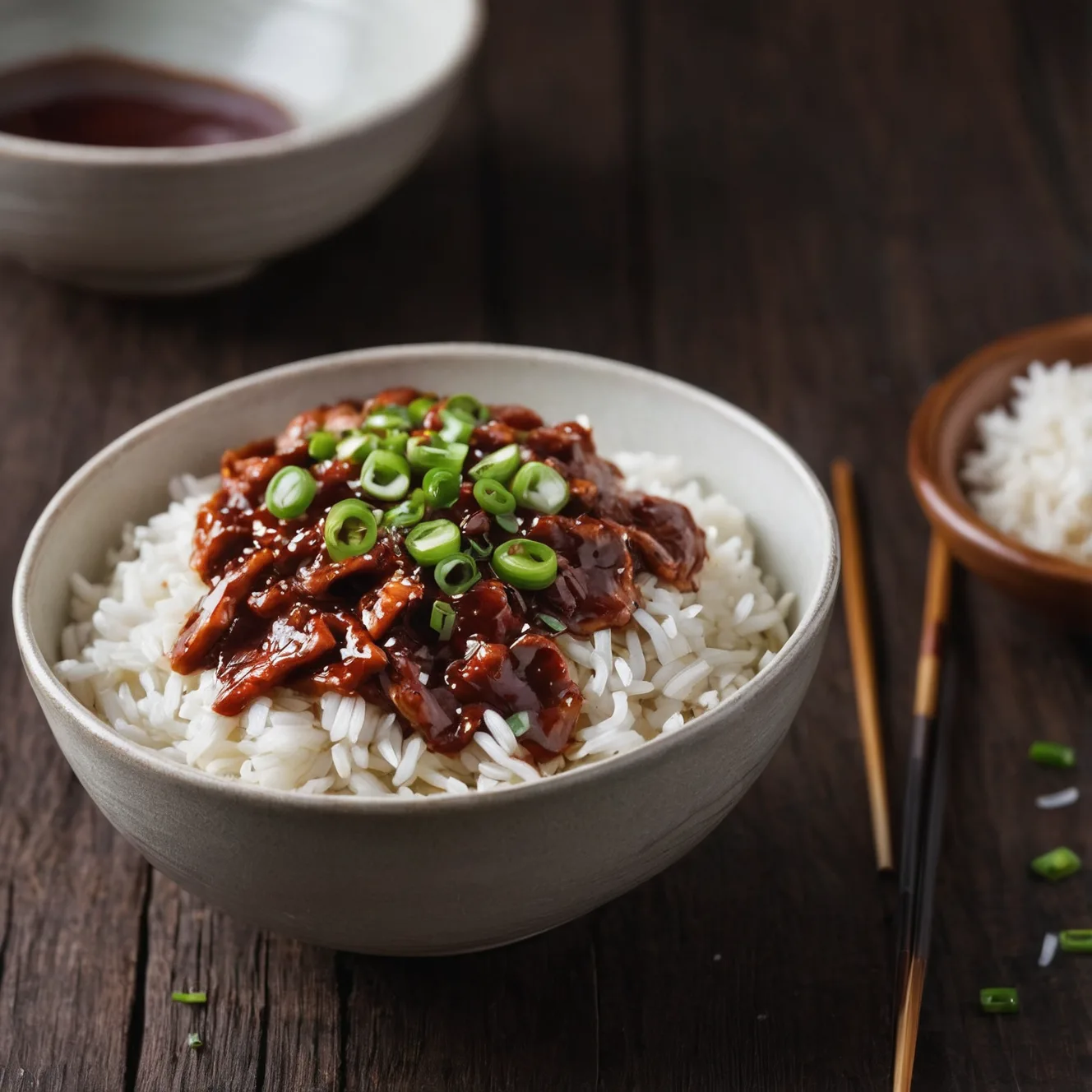
Copycat P.F. Chang’s Spicy Chicken
Prep time: 15 min Cook time: 10 min Servings: 4
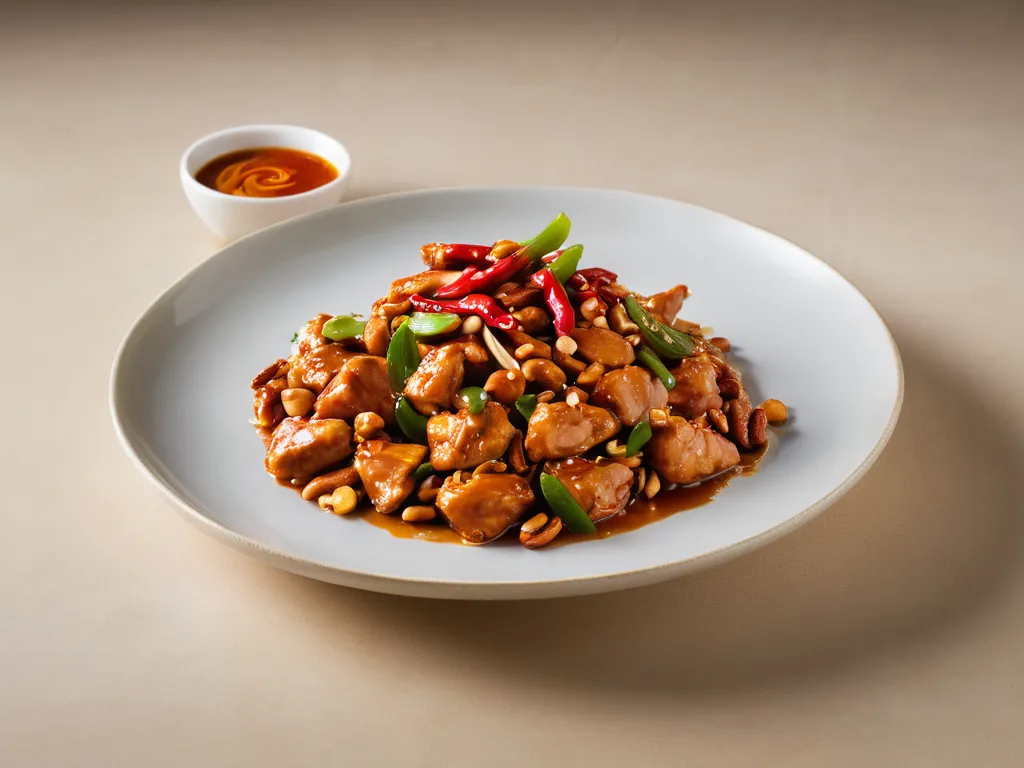
P.F. Chang’s Chang’s Spicy Chicken is one of the most requested copycat recipes for the chain — and one of the most frequently confused with their Kung Pao Chicken. They are not the same dish. Chang’s Spicy Chicken uses thin strips, no peanuts, no Sichuan peppercorns, and a simpler sweet-heat glaze built from chili garlic sauce and soy. The restaurant describes it as chicken wok-tossed in a sweet-spicy chili sauce with green onions, and the difference from Kung Pao is immediately clear in the eating: the heat is forward, the flavor is direct, the sauce is glossy and clingy rather than complex and layered.
P.F. Chang’s charges around $17 for a single-person order. This recipe makes four servings for about $14 total — roughly $3.50 per plate.
TL;DR: Slice the chicken into thin strips and dust in cornstarch. Sear in two batches in a smoking-hot wok until the coating turns golden. Build the chili garlic glaze in the same pan — soy, sambal oelek, brown sugar, rice vinegar, garlic, ginger — thicken with a cornstarch slurry, then toss the chicken back in for 45 seconds. Done.
Why Make It at Home?
The cost gap is significant, but the more practical reason is control over the heat level. Chang’s Spicy Chicken at the restaurant is calibrated for the median palate — medium spicy, sweetness buffered forward. At home, 2 tablespoons of sambal oelek matches the restaurant level. Add more and it gets genuinely hot. Use one tablespoon and it’s pleasantly warm. The restaurant can’t do that for you.
The other benefit is portion size. P.F. Chang’s plates this as a side-size entrée over a modest amount of rice. At home, 1.5 pounds of chicken divided among four servings produces a noticeably more generous meal.
What Makes This Dish Work
The cornstarch is the foundation of the texture. Unlike the thick batter of General Tso’s Chicken or the deep-fried shell of most takeout fried chicken, Chang’s Spicy Chicken uses a thin dusting of dry cornstarch on chicken strips that are stir-fried in a hot wok. The result is a glass-thin shell that crisps in seconds and holds the glaze without going soggy. It is not crunch — it is texture. The strips stay tender inside with a barely-there, sauce-gripping exterior.
The other essential is a properly preheated wok. Two minutes on high heat until the pan smokes — then oil, then chicken. A cold or warm pan produces the exact opposite: the cornstarch coating absorbs oil and steam instead of crisping, and the chicken tastes more like soggy stir-fry than a restaurant plate.
The sauce is a three-way balance: soy for salt and depth, chili garlic sauce for heat and color, and brown sugar for sweetness and body. The cornstarch slurry added at the end is what turns it from a thin liquid into the glossy, clingy restaurant-style glaze that coats every strip.
Slicing the Chicken Right
This step matters more than people expect. The chicken breast should be sliced into strips about 2 inches long and 1/4 inch thick — like thick matchsticks, not bite-size chunks. Cutting across the grain (perpendicular to the visible muscle fibers) keeps the strips tender. Cutting with the grain produces strips that are tougher and more prone to shredding when tossed in the wok.
A 20-minute freeze before slicing makes this much easier. Partially frozen chicken holds its shape under the knife and produces clean, uniform cuts instead of the tearing and shredding that happens with fully thawed chicken. If you’re short on time, skip the freeze and use a sharp knife with deliberate strokes.
Building the Sauce
The sauce requires one minute of whisking to dissolve the brown sugar before it goes into the wok. It will not dissolve properly in the pan — undissolved sugar scorches and turns bitter. Make it first, before anything else goes on the heat.
The cornstarch slurry (1 tablespoon cornstarch mixed with 2 tablespoons cold water) is added separately, stirring constantly, after the sauce comes to a boil. Adding it to cold liquid before the wok would work too, but the slurry thickens dramatically and unevenly if the pan heat varies — a consistent rolling boil produces a more even, glossy result.
How This Compares to the Restaurant
The P.F. Chang’s version has a slightly more orange-red color from their commercial chili sauce and possibly food coloring — the homemade version using sambal oelek will be a deeper, darker red. The flavor is the same. Their sauce may also have a trace more garlic than a standard 4-clove measure, so add a fifth clove if you want to go slightly heavier.
One thing the restaurant does that is hard to replicate exactly at home is wok hei — the smoky, slightly charred flavor from a commercial wok burner running at 100,000 BTUs. A home range tops out around 15,000–20,000 BTUs. You can close the gap by preheating longer and cooking in smaller batches, but the smoky depth of the restaurant version will not be fully present. The sauce and texture will be accurate; the deeper background smoke is the one thing you cannot fully replicate without a professional range.
What to Serve It With
Steamed white rice is the standard pairing and the right call — it absorbs the extra glaze that slides off the chicken. Jasmine rice is closest to the restaurant’s version.
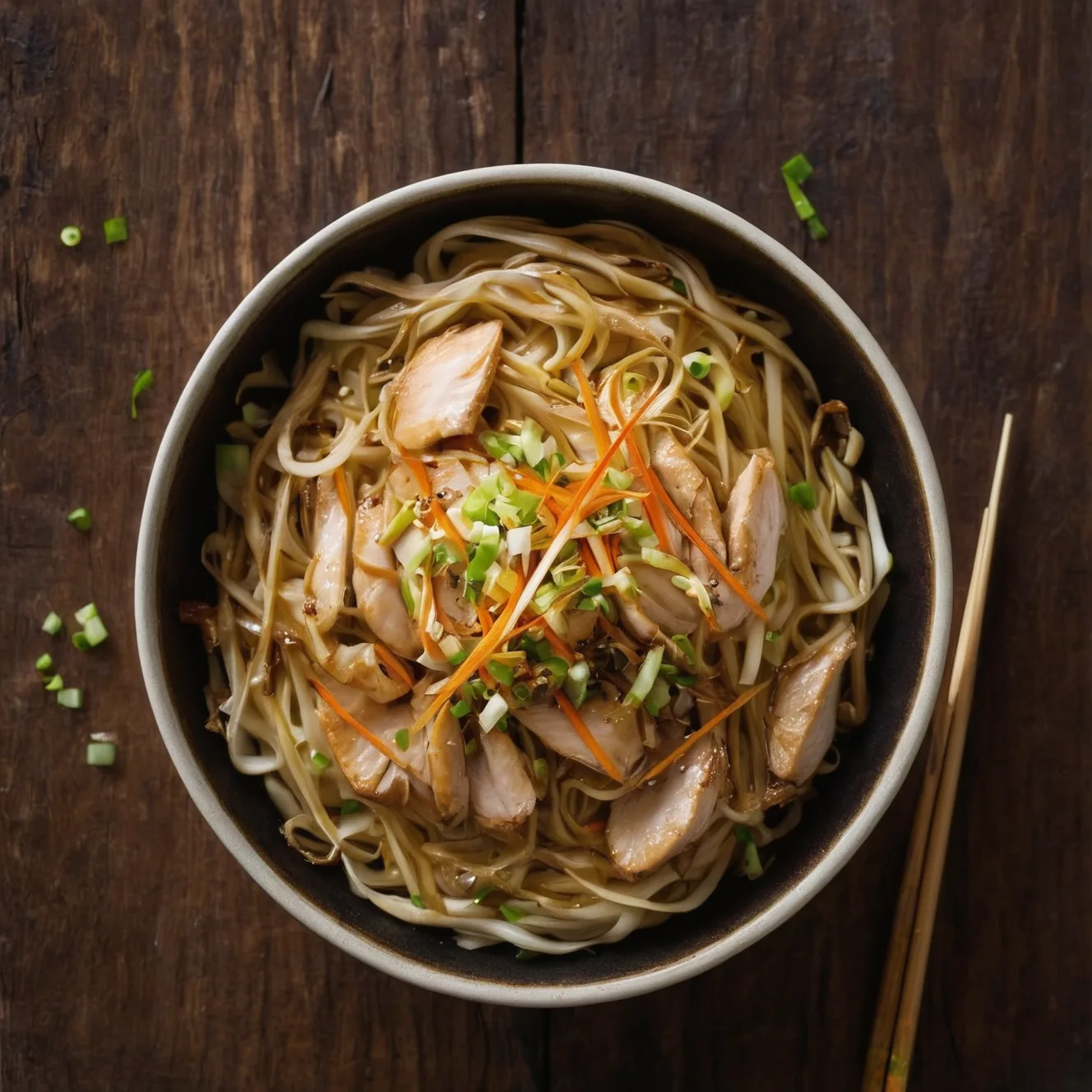
For a more complete meal in the P.F. Chang’s style: serve alongside Dan Dan Noodles (the contrast between the spicy noodles and the sweet-heat chicken is intentional on their menu), or start the meal with Chicken Lettuce Wraps using the same chicken breast before the spicy recipe goes in. The lettuce wraps use a completely different preparation — minced chicken in a savory sauce with water chestnuts — but one grocery trip covers both dishes.
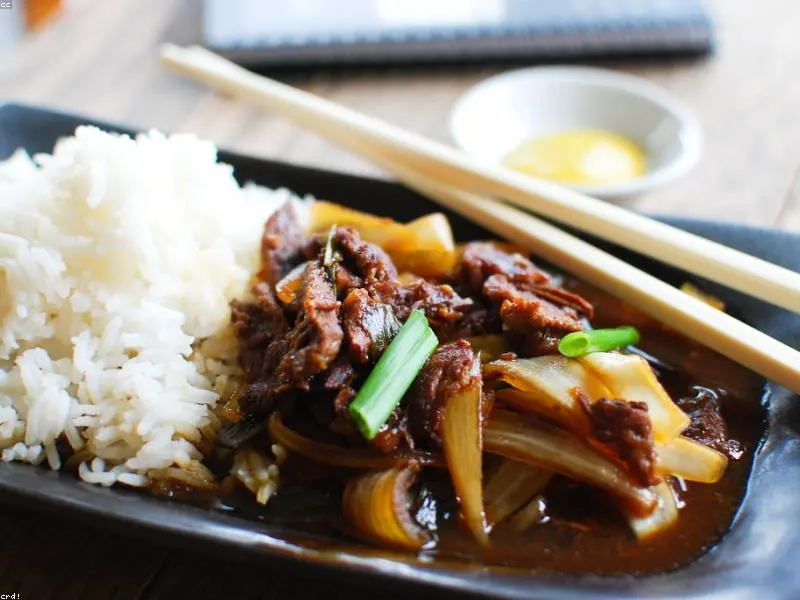
For a full P.F. Chang’s spread, Mongolian Beef and this Spicy Chicken together over steamed rice make the most popular two-dish combination from the menu. If you want the contrast between sweet-savory and sweet-heat, that pairing is the one to make.
If you prefer more complexity in your spicy Chinese chicken — numbing heat, peanuts, layered sauce — see the Kung Pao Chicken. The recipes are different enough that they’re worth making separately, not treating as interchangeable.
See all P.F. Chang’s copycat recipes.