

Pin It

Popeyes Cajun Turkey

Popeyes Cajun Turkey
Jump to Recipe
Prep 30 min Cook 3 hrs 30 min Serves 10–12 servings
Quick answer: Copycat Popeyes Cajun Turkey dry rub for an 11–13 lb bird: combine 3 tablespoons kosher salt, 2 tablespoons garlic pepper, 1 tablespoon ground white pepper, 1.5 teaspoons cayenne, 1 teaspoon smoked paprika, and 1 teaspoon onion powder. Loosen the skin over the breast and thighs and rub half the mixture directly on the meat; rub the rest over the entire outside of the bird. Refrigerate uncovered on a rack 12–24 hours. For the butter injection: melt 4 tablespoons butter with 1/4 cup chicken broth and 1/2 teaspoon of the spice blend; inject into the breast meat before roasting. Roast at 325°F until internal temperature reaches 165°F in the thickest part of the thigh — about 3–3.5 hours for a 12 lb bird. Rest 30 minutes before carving.

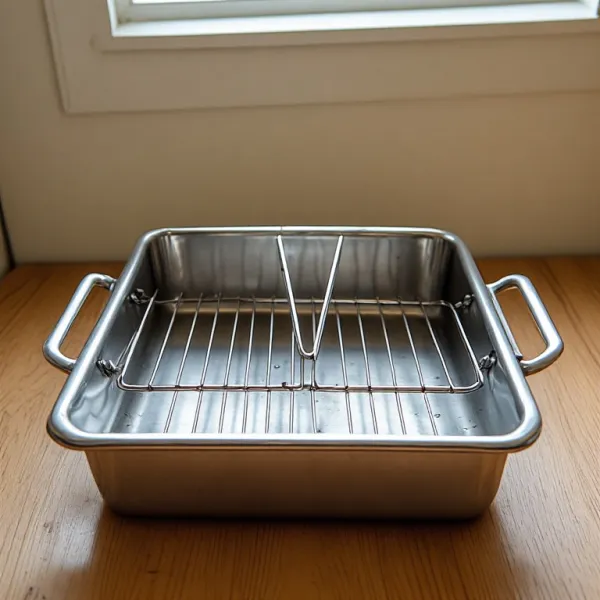
Shop the tools

Gear matched to this recipe. These are Amazon affiliate links — we may earn a small commission if you buy, at no extra cost to you.

As an Amazon Associate, Copycat Spices earns from qualifying purchases. Product images are generic illustrations, not the exact item listed.

Popeyes Cajun Turkey

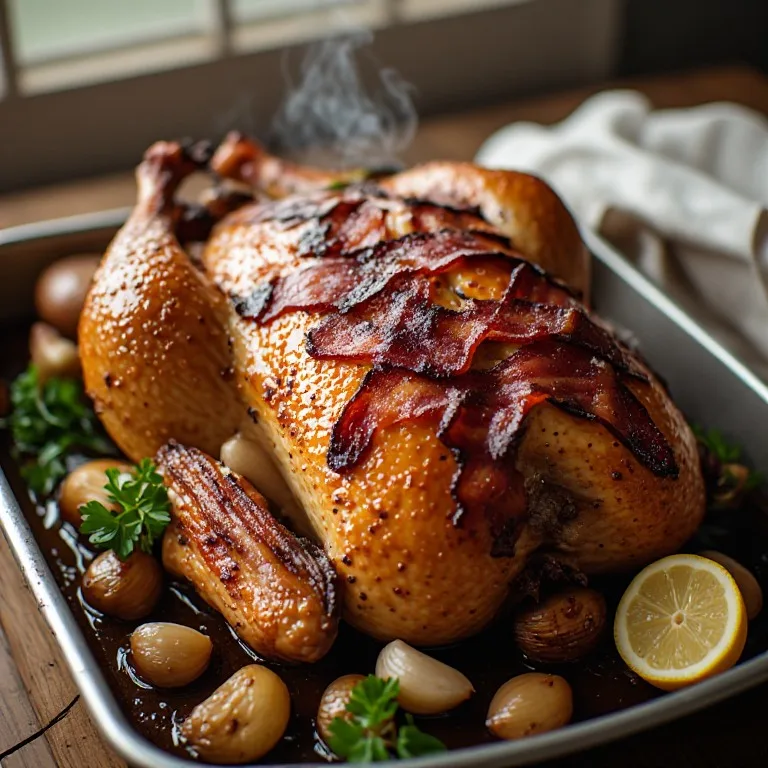
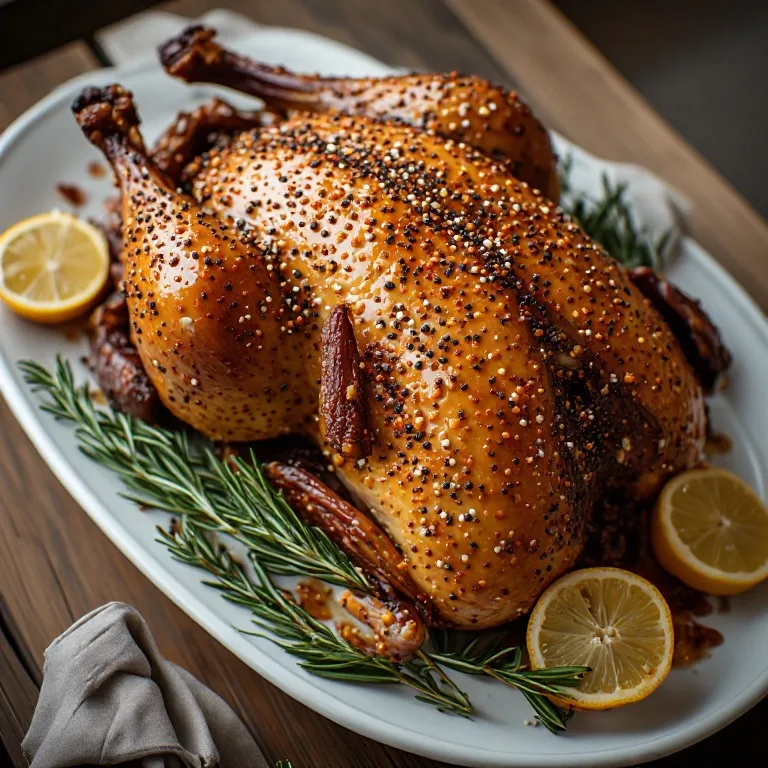
The copycat Popeyes Cajun Turkey: a whole bird dry-brined overnight in kosher salt, garlic pepper, white pepper, and cayenne — the same bold Louisiana spice profile as the famous $59 Thanksgiving bird, oven-roasted at home with a butter injection for moisture. Serves 10–12, deeply flavorful all the way through.

Intermediate Prep: 30 min Cook: 3 hrs 30 min Total: 4h 0m10–12 servings servings ~$4.50/serving
Prep30 min
Cook3 hrs 30 min
Total4h 0m
Servings
10
At home~$4.50/serving
vs
Restaurant~$20.25/serving
You save ~78%

The Story Behind the Recipe

Popeyes launched its Cajun-Style Turkey in 2020 as a Thanksgiving product and it immediately sold out — the novelty of a pre-seasoned, fully cooked deep-fried bird you only had to reheat was too good to ignore. By 2021, it became an annual tradition. The 2026 edition starts at about $59.99 (up from $54.99 in 2025), feeds 8–12 people from an 11–13 lb bird, and comes frozen and fully cooked — thaw, reheat to 165°F, and serve. New for 2026: Popeyes dropped nationwide shipping and delivery, so it's restaurant pickup only (ordering opened October 19, pickup from October 23), plus select Kroger-family grocery stores. The popularity isn't purely novelty. Deep-frying a whole turkey produces a dramatically different result from roasting: the oil surrounds the bird at 350°F, cooking it faster and more evenly, sealing in the juices, and crisping the skin uniformly. Popeyes' Cajun seasoning — heavy on garlic pepper, white pepper, and cayenne — is applied before the fry so the flavor isn't just surface-level. The at-home copycat gets you to most of that flavor profile through a dry brine approach: the same seasoning ratios applied under and over the skin, left overnight in the refrigerator, then oven-roasted with a butter injection. The spice blend is the real secret; the cooking method matters less than you'd expect.

Most home cooks don't have an outdoor turkey fryer, and Popeyes' own turkey starts at $59.99 and sells out fast each year. This recipe targets both groups: people who want the Cajun flavor profile without the commercial fryer, and people who want to understand what's actually in the rub. A published Popeyes Cajun fried turkey recipe credited to Popeyes chef Billy Jacob builds the core rub from four ingredients — kosher salt, garlic pepper, ground white pepper, and cayenne — applied generously and given overnight to penetrate. This recipe uses those four as the foundation and adds smoked paprika and onion powder for depth. The butter injection (an emulsified blend of melted butter, Cajun seasoning, and chicken broth) carries the spice into the breast meat, which roasting alone can't reach. The result: a fully seasoned bird that delivers on the Popeyes promise without the pickup line, the annual sellout, or a commercial fryer.

Nutrition Facts

Per serving (10–12 servings servings)
Calories310
Total Fat14g
Total Carbs1g
Dietary Fiber0g
Sugars0g
Protein42g
Sodium850mg

* Estimated values based on standard recipe preparation. Actual values may vary.

Ingredients

  • The Cajun dry rub (for one 11–13 lb turkey)
  • The turkey
  • Butter injection (optional but recommended)

Instructions

💡
Pro tip: This recipe tastes even better the next day. The flavors need time to meld together in the fridge.
❄️
Storage: Keeps in an airtight container in the fridge for up to 2 weeks. Freezer-friendly for up to 3 months.
🦃 Free Thanksgiving cookbook — download now The Copycat Thanksgiving Cookbook A ready-made, photo-illustrated PDF of our best thanksgiving copycat recipes — free to download, no building required. Pay what you want to support if you love it.

Free PDF — instant download. We'll also send new seasonal copycat recipes now and then; unsubscribe anytime. Or just download it →

The Popeyes Cajun Turkey is a Thanksgiving bird dry-brined in the same spice profile as Popeyes’ famous Louisiana fried chicken — heavy on garlic pepper, white pepper, and cayenne — and deep-fried to order before shipping. This copycat gets you to the same flavor with an oven roast: the dry brine is the real work, and a butter injection into the breast compensates for the fact that a home oven can’t surround the bird in 350°F oil the way Popeyes’ fryers do.

The Popeyes turkey runs about $59 in-store for Thanksgiving 2026. This version costs about $30–40 in ingredients for the same size bird and tastes like it just came out of a Louisiana kitchen.

What Makes It a Cajun Turkey

The distinction is the rub composition. A standard roast turkey uses a salt-and-herb approach: thyme, sage, rosemary, butter. The Cajun version is salt-and-spice: the dominant notes are white pepper (hotter and more floral than black), garlic pepper (garlicky, pungent, coarser than garlic powder), and cayenne. White pepper in particular is the note that most people recognize as “Cajun” in taste memory — it’s the backbone of most Louisiana seasoning blends. Smoked paprika adds color and mild smokiness; onion powder fills in the savory mid-range.

The rub goes in two places: directly onto the meat under the skin, and all over the outside of the bird. The under-skin application is what gives the breast and thigh meat their flavor — a surface rub alone seasons the skin but leaves the meat mild, which is why so many roasted turkeys taste like nothing once carved.

Dry Brine vs. Wet Brine

A wet brine (submerging the turkey in salted water overnight) adds moisture but dilutes flavor — the water washes out some of the turkey’s natural intensity and makes the skin harder to crisp. A dry brine (rubbing with salt and spices, refrigerating uncovered) does the opposite: the salt draws surface moisture out of the bird, then it reabsorbs with the dissolved spices, concentrating flavor in the meat. The uncovered refrigeration also dries the skin into a parchment-like texture that crisps dramatically during roasting. Popeyes’ method is closer to a dry brine — the bird is seasoned before the fry, and the dry skin is what crisps in the oil. This recipe follows the same approach.

The Butter Injection

Deep-frying is essentially continuous basting from all sides simultaneously. Oven roasting can’t replicate that, which is why oven-roasted turkey breast tends to dry out before the thighs finish cooking. The butter injection solves this by depositing fat and seasoning directly into the breast meat before the oven dries it out. Inject in multiple points (3–4 per breast half, pressing slowly) so the mixture distributes rather than pooling in one spot. Warm the butter-broth mixture before loading the injector — cold butter will re-solidify and clog the needle.

Popeyes vs. Homemade: At a Glance
Popeyes Cajun Turkey (2026)This Copycat
Price~$59.99 (restaurant pickup; no delivery in 2026)~$30–40 in ingredients
Cooking methodCommercial deep fryer at PopeyesHome oven at 325°F
Skin textureCrispy all over (deep-fried)Crispy on top/sides; less underneath
MoistureVery moist (oil-sealed)Moist with butter injection
SeasoningCajun dry rub, overnightSame rub, overnight
Serves8–12 (11–13 lb bird)10–12 (12 lb bird)
AvailabilityOrder-ahead, Thanksgiving onlyAny time of year
Lead timeOrder by mid-November12–24 hrs dry brine + roasting day
Making the Drippings Into Gravy

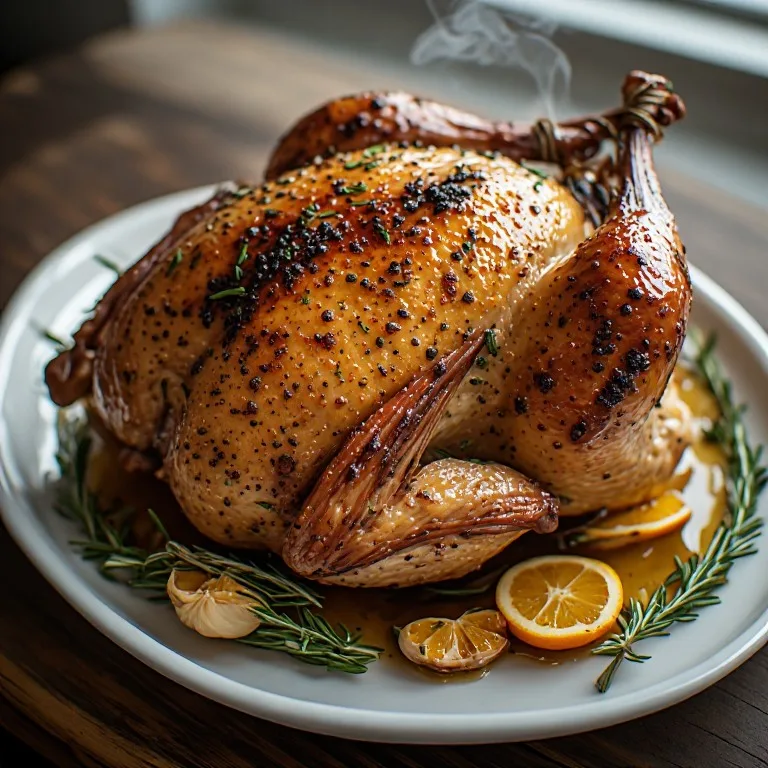
The roasting pan drippings from this turkey are intensely flavored — spicy, garlicky, and already seasoned. They are too good to discard. Pour them into a saucepan, skim the fat if desired, add 1 cup chicken broth, and bring to a simmer. Whisk in 1 tablespoon cornstarch dissolved in 2 tablespoons cold water, simmer 2–3 minutes until thickened, and adjust with salt only if needed. This Cajun pan gravy is the best possible pairing for the turkey and requires no additional seasoning.

For the full Thanksgiving spread, this pairs with Pepperidge Farm Herb Stuffing, Bob Evans Mashed Potatoes, and Campbell’s Green Bean Casserole. For other turkey approaches, see the viral TikTok dry-brine turkey and the Gordon Ramsay butter-basted turkey.
🥗

Make It Healthier

Love Popeyes Cajun Turkey but want a lighter version? Try these simple swaps:

  • ✓Remove the skin before serving to reduce fat by roughly 4–5g per serving. The dry brine penetrates through the skin into the meat itself, so the Cajun flavor remains even without the skin. This is the biggest single lever for reducing fat and calories in this recipe — the skin accounts for a disproportionate share of both.
  • ✓Reduce the kosher salt in the rub from 3 tablespoons to 2 tablespoons if you are sodium-sensitive. The sodium content drops by roughly 150–200mg per serving. The flavor difference is minimal because the white pepper, garlic pepper, and cayenne carry most of the taste; the salt's primary job is the overnight dry brine (tenderizing and drawing moisture back in), which still works at a lower concentration — it just takes longer, so extend to a 24-hour brine rather than 12.
  • ✓Swap the butter injection for olive oil. Melt 3 tablespoons of olive oil with the chicken broth and 1/2 teaspoon of the rub — the olive oil emulsifies less readily than butter, so shake vigorously and inject immediately. This cuts the saturated fat by about 6g per serving across the whole bird while maintaining the moisture-carrying function. Olive oil also has a slightly more neutral flavor than butter in this context, since the Cajun rub dominates.
  • ✓Save the drippings for a pan gravy instead of discarding them. The drippings from a Cajun-rubbed turkey are intensely flavored — deglaze the roasting pan with 1 cup chicken broth, whisk with 1 tablespoon cornstarch slurry, and bring to a simmer. This adds negligible calories to the meal and replaces any need for commercial gravy (which often adds more sodium than the turkey itself).

Frequently Asked Questions

What is the copycat recipe for Popeyes Cajun Turkey?

The key is the dry rub applied under and over the skin and left overnight: 3 tablespoons kosher salt, 2 tablespoons garlic pepper, 1 tablespoon ground white pepper, 1.5 teaspoons cayenne, 1 teaspoon smoked paprika, and 1 teaspoon onion powder. Dry brine the turkey uncovered in the refrigerator for 12–24 hours, inject the breast with a butter-broth-spice mixture before roasting, and roast at 325°F to 165°F internal temperature. The skin will be dark mahogany; the meat beneath will be deeply seasoned.

Is Popeyes Cajun Turkey available in 2026?

Yes. Popeyes brought back the Cajun-Style Turkey for Thanksgiving 2026. Ordering opened October 19, 2026 at turkeys.popeyes.com and through the app, with restaurant pickup beginning October 23 and the order window running through roughly November 19. The starting price is about $59.99 per bird (up from $54.99 in 2025), and it varies by location. The turkey is 11–13 lbs, feeds 8–12 people, and comes frozen and fully cooked — thaw in the refrigerator for 24–48 hours and reheat to 165°F. New for 2026, Popeyes is NOT offering nationwide shipping or delivery — it's restaurant pickup only, though select Kroger-family grocery stores (King Soopers, Fry's, QFC, Smith's, Dillons and others in some markets) also carry it, roughly $59.99–$69.99. Quantities are limited, so order early.

What is in Popeyes' Cajun Turkey seasoning?

The retail turkey is sold simply as marinated and seasoned with Popeyes' signature Cajun spices. A published Popeyes Cajun fried turkey recipe credited to Popeyes chef Billy Jacob lists a core rub of four ingredients: kosher salt, garlic pepper, ground white pepper, and cayenne. The flavor profile is heavily spiced — white pepper is hotter and more floral than black pepper, and it's the distinctive note that sets Cajun seasoning apart from a standard salt-and-pepper rub. The garlic pepper blend (garlic + cracked black pepper, pre-ground) provides the garlic-forward backbone. Cayenne adds the hit of clean heat. This copycat adds smoked paprika and onion powder for additional depth.

Can I deep-fry a turkey at home to get the same result as Popeyes'?

Yes, if you have an outdoor turkey fryer. Heat peanut oil to 350°F in an outdoor fryer (never attempt this indoors or in a garage). Apply the dry rub and brine the turkey overnight. Lower the bird very slowly into the hot oil; fry at 350°F for about 3 to 3.5 minutes per pound. The result — crispy all-over skin and extremely moist meat — is closer to the Popeyes product than oven roasting, because the oil surrounds the entire bird simultaneously. The butter injection is not necessary with the deep-fry method. Safety note: outdoor turkey frying causes hundreds of fires and injuries every year; always use the fryer manufacturer's guidelines, keep a fire extinguisher nearby, and never leave the fryer unattended.

How is the homemade Cajun turkey different from the Popeyes version?

The main difference is cooking method. Popeyes deep-fries the bird in commercial-grade fryers at 350°F, which produces uniformly crispy skin all over (including the underside) and a very moist interior — the oil seals the juices in almost instantly. An oven-roasted bird gets excellent skin on the breast and thighs but can't replicate the all-sides crispness of a deep fry, and the breast meat benefits from the butter injection to stay moist. The seasoning is essentially identical. The Popeyes turkey is also pre-cooked, shipped frozen, and reheated, so the meat texture at serving is slightly different from a freshly roasted bird. Most people find the homemade version is actually moister when fresh from the oven.

What is garlic pepper and where do I find it?

Garlic pepper is a pre-ground spice blend of coarse garlic and black pepper, sometimes with onion and other aromatics. It is widely available in the spice aisle at most supermarkets — Lawry's and McCormick both make it. If you can't find garlic pepper, substitute 1 tablespoon garlic powder plus 1 tablespoon coarsely ground black pepper (combined). The texture will be slightly finer but the flavor is nearly identical. Do not use garlic salt in place of garlic pepper — the recipe already includes kosher salt, and garlic salt would make the rub too salty to apply in these quantities.

How long does it take to cook a Cajun turkey at home?

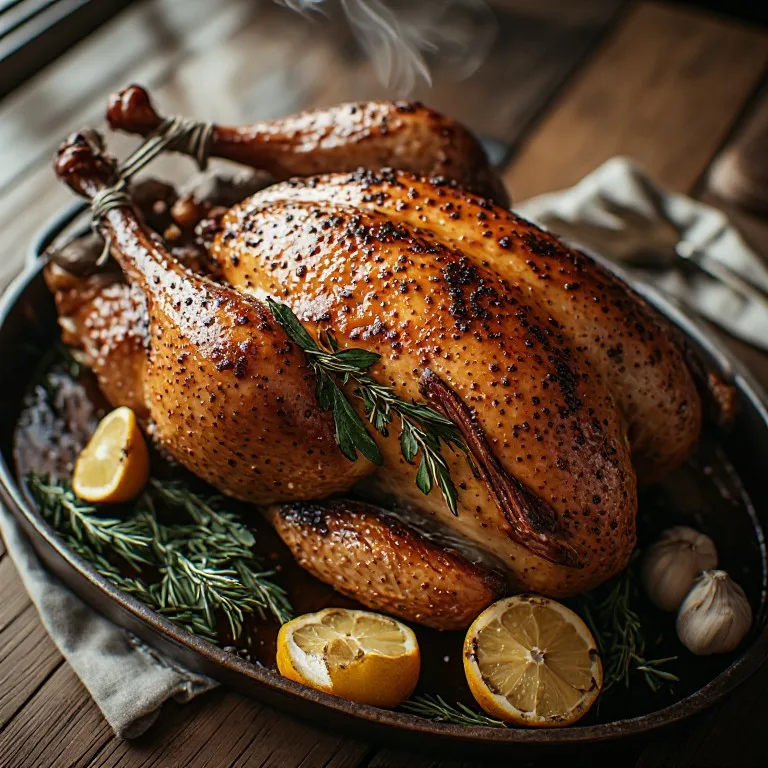
At 325°F, estimate 15–18 minutes per pound for an unstuffed bird. A 12-lb bird takes about 3 to 3.5 hours. Always verify with an instant-read thermometer: the turkey is done when the thickest part of the thigh reaches 165°F and the thickest part of the breast also reaches 165°F. The Cajun spice blend darkens the skin significantly early in the cook, so the visual appearance is not reliable for doneness — use the thermometer only.

Love this recipe? Share it!

Free PDF: our 12 most-wanted copycat recipes — instant download.

Made it? Buy us a coffee

Every recipe here is free, with no paywalls. If this one was a hit at your table, a small tip keeps new copycats coming.

$

Popeyes is a trademark of its owner, used here only to describe the dish this recipe recreates. This is an independent copycat written in our own words — Copycat Spices is not affiliated with, endorsed by or sponsored by Popeyes.

Ratings & Reviews

—
No ratings yet

Rate this recipe

Click a star to rate

Leave a Review

0/500

CS

Copycat Spices Editorial

Researched + fact-checked. Every recipe on Copycat Spices is built from published sources — official ingredient lists, brand-published recipes, interviews and food-science references — and fact-checked before it goes live, then written as clear, step-by-step instructions for home cooks of all skill levels.

Learn more about our mission →