Pin It

Copycat Benihana Onion Soup

Copycat Benihana Onion Soup
Jump to Recipe
Prep 10 min Cook 25 min Serves 4
Quick answer: Benihana's Japanese Onion Soup is a clear broth β€” not cream, not French onion β€” made from a combination of chicken broth and beef consomme simmered with carrot, celery, onion, and garlic, then strained until completely clear. The solids go in the trash; only the broth is served, plus thin-sliced button mushrooms and green onion. The defining topping: crispy fried onion rings (French's brand works perfectly) placed on top of each bowl at the last second. Benihana's official nutrition counts 30 calories per serving. Most copycat recipes fail because they use only chicken broth (flat, one-dimensional) and skip the fried onion rings (the one texture element that makes the soup taste like the restaurant).

Copycat Benihana Onion Soup

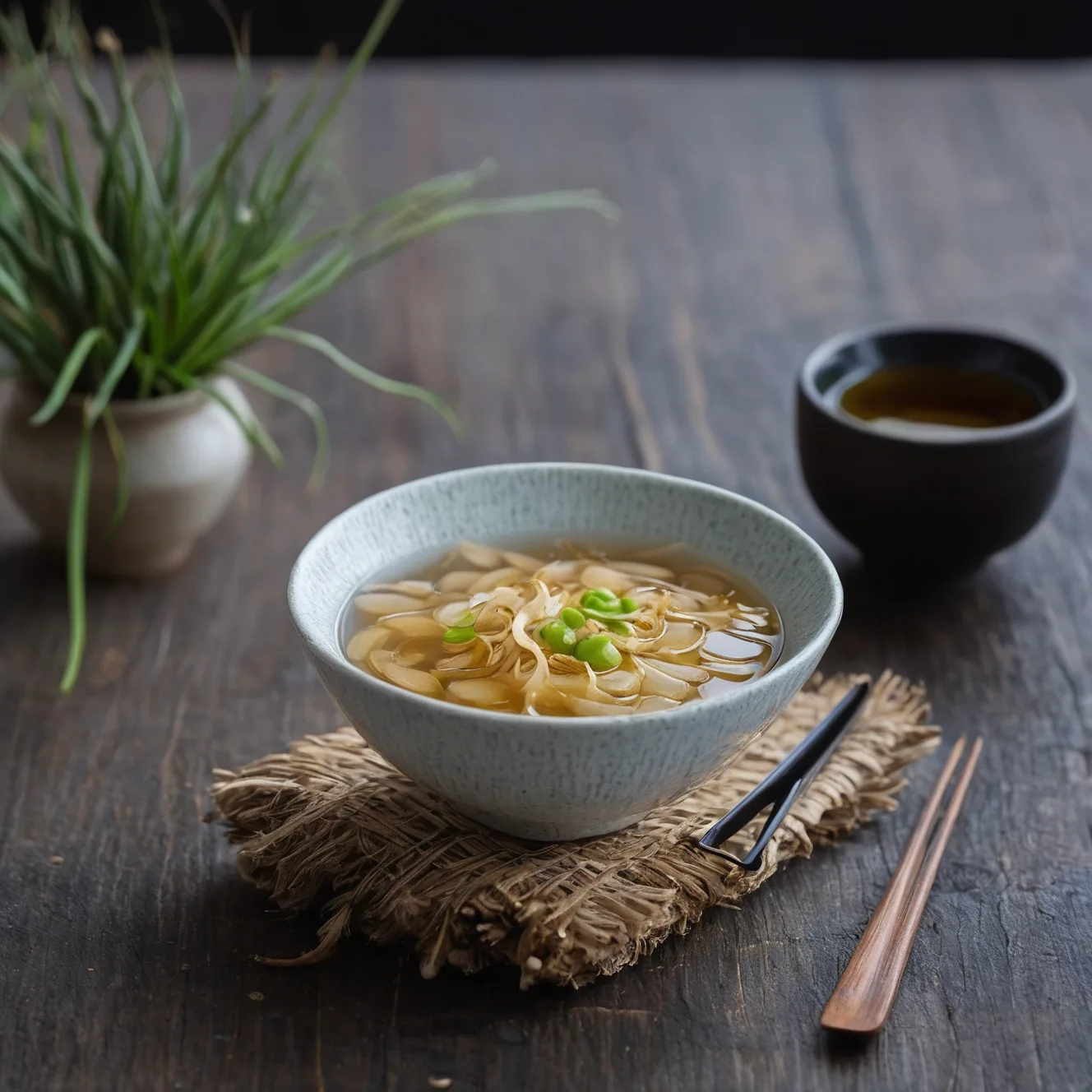
The actual Benihana onion soup: dual chicken-and-beef-consomme broth simmered with aromatics, thinly sliced mushrooms, and crispy fried onion rings on top. 30 calories. Ready in 30 minutes.

Easy Prep: 10 min Cook: 25 min Total: 35 min4 servings ~$4.20/serving
Prep10 min
Cook25 min
Total35 min
Servings
4
At home~$4.20/serving
vs
Restaurant~$18.90/serving
You save ~78%

Ingredients

Instructions

💡
Pro tip: This recipe tastes even better the next day. The flavors need time to meld together in the fridge.
❄️
Storage: Keeps in an airtight container in the fridge for up to 2 weeks. Freezer-friendly for up to 3 months.
~300-500 cal/serving

The Story Behind the Recipe

Copycat Benihana Japanese Onion Soup

Prep time: 10 min Cook time: 25 min Servings: 4 bowls

Every Benihana hibachi dinner starts with two courses before the teppanyaki: a small ginger salad and a cup of clear Japanese onion soup. The salad gets most of the attention because the dressing is unusual. The soup tends to get ignored β€” right up until a first-timer tries to replicate it at home and realizes it tastes nothing like any other clear soup they have ever made.

There are two reasons for that. The broth is not pure chicken stock. And there are fried onion rings on top.

TL;DR

Simmer chicken broth, beef consomme, carrot, celery, onion, garlic, and soy sauce for 20 minutes. Strain out all solids. Return the clear broth to the pot. Add thin-sliced button mushrooms for 3 minutes. Ladle into bowls. Top with green onion slices and a pinch of French’s crispy fried onion rings. Serve immediately.

The Broth: Why Chicken Alone Doesn’t Work

The most common copycat mistake is using only chicken broth. It produces a soup that is clean and light but tastes vaguely thin and incomplete β€” pleasant, but not recognizable as the Benihana version.

Benihana’s kitchen uses a combination of chicken and beef consomme bases. The beef adds a roasted, umami depth that chicken broth cannot replicate on its own. At home, Campbell’s condensed beef consomme (one can plus one can of water, as directed) mixed with three cups of chicken broth produces the right character: clear and light in texture, but layered and satisfying in flavor.

The second component is the aromatic simmer. Carrot, celery, onion, and garlic go into the pot with the broth and cook for 20 minutes. None of it is served. The vegetables are strained out entirely and discarded. Their job was purely to contribute flavor to the broth β€” the carrot adds a faint sweetness, the celery and garlic build the savory foundation β€” and they perform that job completely by the time the broth is ready. Skipping this step produces a noticeably flatter result.

The Fried Onion Rings: What Everyone Skips

The defining texture element in Benihana’s onion soup is the crispy fried onion rings placed on top of each bowl at the table. They are not croutons. They are not dried onion flakes. They are the same crispy fried onions sold in cans near the canned vegetables β€” French’s or Durkee’s are the standard, and either works correctly.

Placed on the hot broth at the last second, they stay crispy for about a minute before they soften. That minute is the window β€” the contrast between the delicate clear broth and the crunchy, savory onion rings is what most people are actually experiencing when they remember the soup as being better than it looks.

Do not skip them. Do not substitute breadcrumbs or croutons. They are not equivalent.

The Mushrooms

The only solid ingredient served in the soup is thinly sliced button mushrooms, added to the strained broth for the final 3–4 minutes. They cook until just tender β€” soft enough to eat easily but not so soft they fall apart. They stay in the bowl; the aromatics do not.

Slice the mushrooms thin: about β…› inch. This is thinner than a typical mushroom slice, but at this thickness they cook quickly and remain visually clean in the clear broth.

Part of the Classic Benihana Sequence

This soup belongs in the opening of a full Benihana hibachi night at home. The traditional order: start the ginger salad with Benihana ginger salad dressing, serve the onion soup alongside or just after, then move to the hibachi steak, hibachi chicken, garlic butter shrimp, and Benihana fried rice, with yum yum sauce on the side.

The soup takes 30 minutes including the simmer time but is entirely hands-off. Make it first, before any teppanyaki cooking begins. It holds well on very low heat while the main dishes cook.

What Todd Wilbur’s Top Secret Recipes Says

Todd Wilbur covers the Benihana onion soup in Top Secret Restaurant Recipes 2 (topsecretrecipes.com/benihana-japanese-onion-soup-copycat-recipe.html). His version uses canned chicken broth with a faster technique. The dual chicken-plus-beef-consomme approach and the 20-minute aromatic simmer are refinements confirmed by independent kitchen testing that produce a more restaurant-accurate result β€” but Wilbur’s version is a useful benchmark for the flavor direction and confirmed the mushroom-and-fried-onion structure.

Pro Tip: Hondashi

A half-teaspoon of dashi powder (hondashi, found in the Asian ingredient aisle) stirred into the strained broth adds another layer of umami depth β€” the faint bonito/kombu note characteristic of Japanese restaurant kitchens. It is not in Wilbur’s recipe and is not a confirmed Benihana ingredient, but it is a genuine improvement and keeps the flavor profile completely consistent with the original. Add it after straining, before the mushrooms.
Nutrition Facts

Per serving (4 servings)
Calories45
Total Fat1g
Total Carbs5g
Dietary Fiber1g
Sugars2g
Protein3g
Sodium710mg

* Estimated values based on standard recipe preparation. Actual values may vary.

πŸ₯—

Make It Healthier

Love Benihana Onion Soup but want a lighter version? Try these simple swaps:

  • βœ“The soup is already very low calorie at 30–45 cal per bowl β€” no meaningful modifications needed
  • βœ“Reduce sodium: use unsalted chicken broth and halve the soy sauce (the beef consomme carries the salt load; the soy is for depth, not saltiness)
  • βœ“Shiitake mushrooms instead of button mushrooms add more umami for roughly the same calories

Equipment You'll Need

Medium saucepan (3–4 quart)

For simmering the aromatic broth

Fine-mesh strainer

Required for achieving a clear restaurant-style broth β€” do not skip this step

Frequently Asked Questions

What is Benihana onion soup made of?

Benihana's Japanese Onion Soup is a clear broth made from a combination of chicken broth and beef consomme, simmered with carrot, celery, sliced onion, and garlic to develop flavor, then strained clear. The only solid ingredients served in the soup are thinly sliced button mushrooms (cooked in the strained broth) and green onions. The signature finishing touch is crispy fried onion rings placed on top of each bowl. The official seasoning is light: soy sauce, salt, and white pepper. It is not a French onion soup and contains no cream, no cheese, and no bread.

Why does Benihana onion soup taste so different from other Japanese clear soups?

The main reason is the dual-broth base. Most restaurant clear soups and home copycats use only chicken broth β€” it is clean but flat and one-dimensional. Benihana uses a combination of chicken broth and beef consomme. The beef consomme adds a deeper, roasted, umami note that gives the soup a rounded, satisfying quality that chicken broth alone cannot produce. The second reason is the aromatic simmer: carrot, celery, onion, and garlic cook in the broth for 20 minutes and are then strained out. They leave behind flavor without adding texture, color, or cloudiness. Most home versions skip this step and get a noticeably thinner result.

What are the crispy things on top of Benihana's onion soup?

Crispy fried onion rings β€” the same style as French's or Durkee's crispy fried onions sold in cans near the canned vegetables in most grocery stores. They provide a crunchy texture contrast to the clear broth and are the element most home copycats skip or substitute incorrectly. They are not breadcrumbs, not croutons, and not dehydrated onion. Placed on top at the last second, they stay crispy for 1–2 minutes before softening in the warm broth. Eat them promptly.

Is Benihana onion soup healthy?

By almost any measure, yes. Benihana's official nutrition data lists 30 calories and 1 gram of fat per 6.7 oz serving. The primary nutritional consideration is sodium: 710mg per serving, which is significant (about 31% of the daily 2,300mg recommendation). People managing sodium intake should use low-sodium chicken broth and reduce the soy sauce to half a tablespoon. The vegetables that flavor the broth are discarded, so the fiber and carbohydrate content of the served soup is minimal.

Is the soup gluten-free?

Not necessarily. The primary gluten risk is soy sauce β€” traditional soy sauce contains wheat. To make this recipe gluten-free, substitute tamari (labeled gluten-free) for the soy sauce, verify that the beef consomme and chicken broth are gluten-free (Campbell's condensed beef consomme lists no wheat in its current ingredient list, but always check the label), and confirm the brand of crispy fried onions is gluten-free (French's Crispy Fried Onions contain wheat flour β€” look for a certified GF alternative like 365 by Whole Foods crispy onions if needed).

Does the Benihana onion soup come before or after the ginger salad?

It varies by location and table preference, but the traditional Benihana sequence serves the ginger salad first, then the onion soup, then the hibachi shrimp appetizer, then the main teppanyaki proteins and fried rice. The soup is part of the standard hibachi dinner β€” not ordered separately β€” though it is available as a side order for about $4–5 for guests who want an extra bowl. The soup's light, clean broth is intended to prepare the palate for the richer garlic-butter flavors of the main teppanyaki course.

Love this recipe? Share it!

Shop the tools

Gear matched to this recipe's equipment list. We may earn a small commission if you buy through these links β€” at no extra cost to you.

As an Amazon Associate, Copycat Spices earns from qualifying purchases.

Free PDF: our 12 most-wanted copycat recipes β€” instant download.

Ratings & Reviews

β€”
No ratings yet

Rate this recipe

Click a star to rate

Leave a Review

0/500

CS

Copycat Spices Test Kitchen

Every recipe on Copycat Spices is developed and tested in our home test kitchen. We reverse-engineer beloved restaurant dishes and refine each one until the flavors and the instructions work reliably for home cooks of all skill levels.

Learn more about our mission →