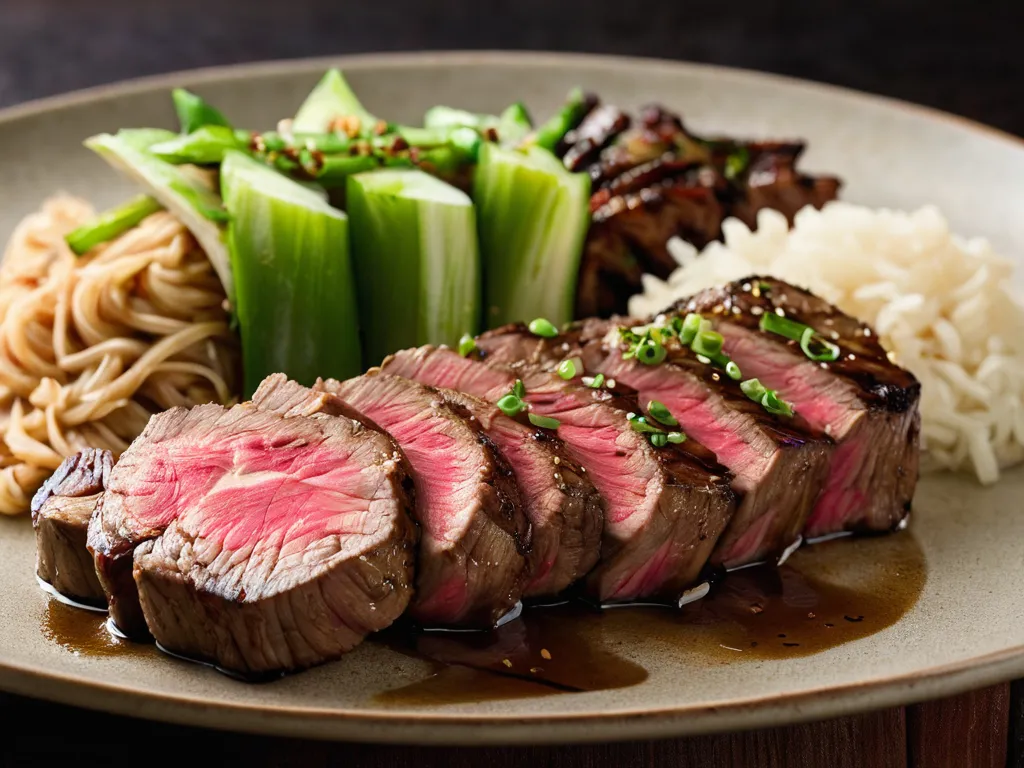
Benihana dinner for four runs $160–240 before tip. The same food, made at home, costs $60–80 in groceries. The experience — the sizzle, the garlic butter cloud, the fried rice pressed flat on a screaming hot surface — transfers almost completely to a cast iron skillet and your home stove.
This guide covers the full dinner: every dish in the right order, all the copycat recipes linked below, and the technique details that separate a good hibachi night at home from a disappointing one.
The Full Benihana Dinner: What You’re Recreating
At Benihana, a single entrée price covers everything. The meal comes out in this order:
1. Ginger Salad — iceberg or romaine with a bright orange carrot-ginger dressing. The dressing is oil-based and blended smooth; most people try to recreate it without the celery and get a version that tastes like generic ginger vinaigrette. Celery is the key, along with ketchup (not tomato paste) for the mild orange color and sweetness.
2. Japanese Onion Soup — a clear dual-broth (chicken plus beef consomme) with thinly sliced mushrooms and green onion, finished with crispy fried onion rings placed on top at the last second. Not croutons, not French onion, no cheese or cream. The light, savory broth resets the palate before the rich garlic-butter teppanyaki courses.
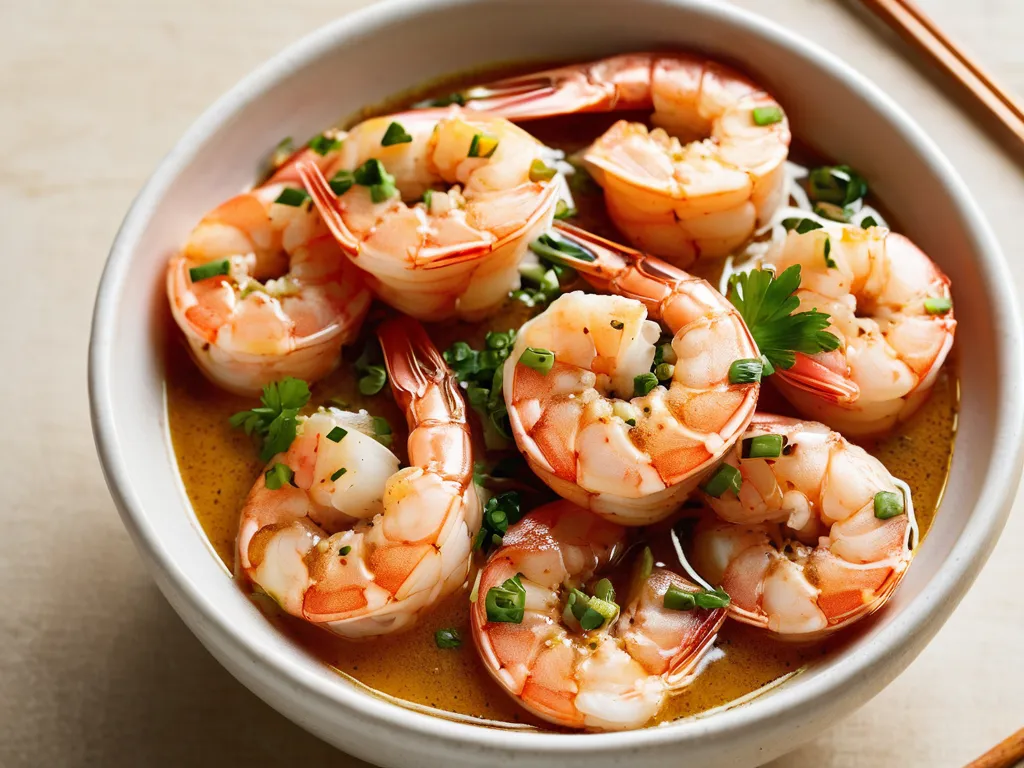
3. Hibachi Shrimp Appetizer — 3 large shrimp cooked tableside in garlic butter as the chef begins the teppanyaki show. The same garlic-butter-soy technique that goes into every protein dish.
4. Hibachi Vegetables — zucchini, mushrooms, and onion in garlic butter, cooked fast on the flat top. The char on the zucchini and the slight caramelization on the onion are the targets. Cook time: 4–5 minutes.
5. Main Protein — your choice of hibachi chicken breast, sirloin steak, garlic butter shrimp (full portion), scallops, or combination plates. The restaurant entrée goes for $26 (chicken) to $38+ (filet mignon and combos) depending on the protein.
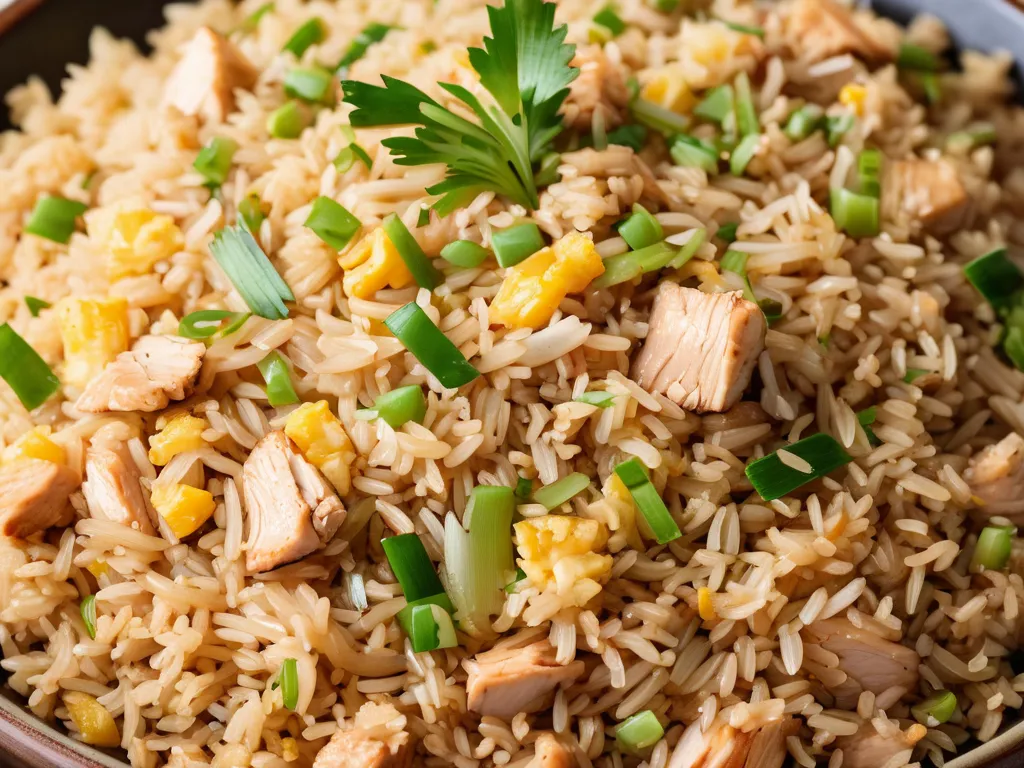
6. Hibachi Fried Rice — the dish most people come for. Butter, garlic, day-old rice, egg well, soy deglaze. At the restaurant it’s a small upgrade over the steamed rice that comes with every entrée; at home it costs the same as plain rice, so there’s no reason not to make it.
7. Dipping Sauces — yum yum sauce (the pink-orange creamy one) and ginger dipping sauce (thin, savory, no oil). Served in small bowls tableside. Sometimes a Japanese mustard sauce as well.
Equipment: What You Actually Need
Cast iron skillet (12-inch minimum): The essential tool. Cast iron holds heat through thermal mass — adding cold ingredients doesn’t drop the surface temperature the way thin stainless pans do. Preheat it on your highest burner for 4–5 minutes before any food goes in. When you hold your hand 2 inches above the surface and feel intense radiant heat, it’s ready. A light haze of smoke from the seasoning is the other signal.
Flat griddle / Blackstone: If you want to cook the full meal at once without doing everything in batches, a propane flat-top griddle is the right tool. You can cook the fried rice on one side and the proteins on the other simultaneously. Outdoors only — the smoke output is significant.
Wide metal spatula: The flat, flexible metal spatula (a bench scraper works in a pinch) is how Benihana chefs chop, toss, and press food on the flat surface. A fish spatula or thin-bladed metal pancake turner handles the same job on cast iron.
Everything prepped before you start: This is not optional. Once the cast iron is screaming hot, the cook goes quickly. Have all proteins cut, all vegetables sliced, rice out of the fridge and clumps broken up, eggs cracked into a bowl, sauces made. Once you start, there’s no pausing.
The 10 Copycat Recipes
Each dish below has its own dedicated recipe with the full technique, measurements, and accuracy research. Start from the top of the list (sauces and the soup first, since they are hands-off once simmering) and work down.
Benihana Ginger Salad Dressing
The orange carrot-ginger dressing that comes with the opening salad. The key ingredient most recipes omit: celery. The technique: blend everything smooth, refrigerate at least 30 minutes before serving. Celery adds a green freshness that distinguishes the real Benihana dressing from generic ginger vinaigrette. Make this first — it holds in the fridge for a week.
Benihana Japanese Onion Soup
The clear broth soup served as the second course. The secret: a combination of chicken broth and beef consomme (not pure chicken broth) simmered with carrot, celery, onion, and garlic, then strained completely clear before serving with thinly sliced mushrooms. The defining element most home cooks skip: crispy French’s fried onion rings placed on top at the last second. Official Benihana nutrition: 30 calories per bowl. Start it while the ginger dressing sits in the fridge — both are ready at the same time.
Benihana Ginger Dipping Sauce
The thin, oil-free sauce served in a small ramekin tableside — not the salad dressing. Five ingredients: fresh ginger, yellow onion, lemon juice, rice vinegar, and low-sodium soy sauce. No oil, no garlic, no sugar. Make it at least a day ahead — the flavor changes significantly overnight as the raw onion sharpness mellows. Freezes perfectly in ice cube trays for up to 4 months.
Benihana Yum Yum Sauce
The creamy pink-orange dipping sauce served with every protein and fried rice. Base is mayonnaise with tomato paste, garlic powder, paprika, melted butter, and rice vinegar. The sauce needs 30 minutes in the fridge after mixing for the flavors to meld and the texture to improve. Make this second — it’s a 5-minute job and then it sits.
Benihana Hibachi Vegetables
Zucchini, cremini mushrooms, and yellow onion cooked on a screaming-hot cast iron surface in garlic butter and soy sauce. The technique is the same as the proteins: high heat, garlic added after the sear, soy poured directly on the exposed pan surface to concentrate before the vegetables go through it. Cook time: 5–7 minutes total. Onion goes in first (takes longest), mushrooms second (need a dry pan to sear, not steam), zucchini last (2 minutes to color without going soft). Ginger dipping sauce is the traditional pairing for vegetables per Todd Wilbur’s research.
Benihana Fried Rice
The dish most people specifically go to Benihana for. Three things make or break it: butter instead of oil, cold day-old rice (fresh rice will clump and steam), and the soy sauce technique — pour it onto the hot surface, not over the rice, so it sizzles and concentrates before the rice goes through it. The guide covers all protein variations (chicken, shrimp, steak) and the egg well method.
Benihana Hibachi Chicken
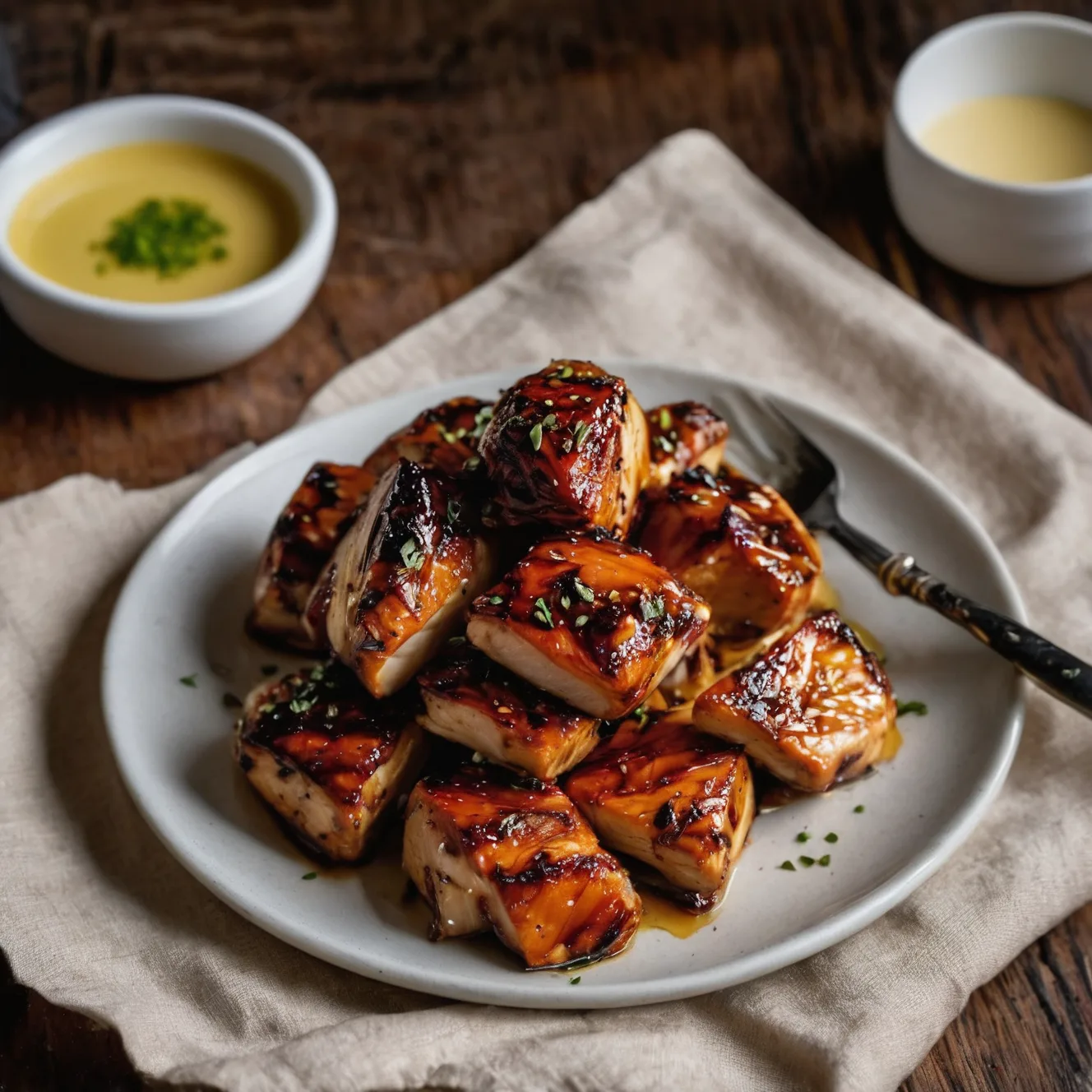
Boneless chicken breast, whole-seared until golden on the hot cast iron, then diced on the surface so the pieces have both a seared exterior and just-done interior. Served with both ginger dipping sauce and yum yum sauce. This is Benihana’s most ordered entrée — the recipe nails the soy-garlic butter technique and the two-sauce presentation.
Benihana Hibachi Steak
Sirloin cut into 1-inch cubes, seared without touching for 90 seconds per side, then tossed through garlic butter and finished with a soy deglaze. The no-movement rule is non-negotiable — constant stirring prevents the Maillard crust that makes the steak taste like the restaurant rather than a home sauté.
Benihana Garlic Butter Shrimp
Jumbo shrimp seared 90 seconds per side, then tossed through garlic that’s been cooking in the residual butter. Deglazes with soy sauce. Finished with sesame oil and lemon. Works as both the opener (3-shrimp tableside appetizer portion) and a full entrée. The tail-on presentation is authentic; cook time is under 8 minutes total.
Benihana Chicken Fried Rice
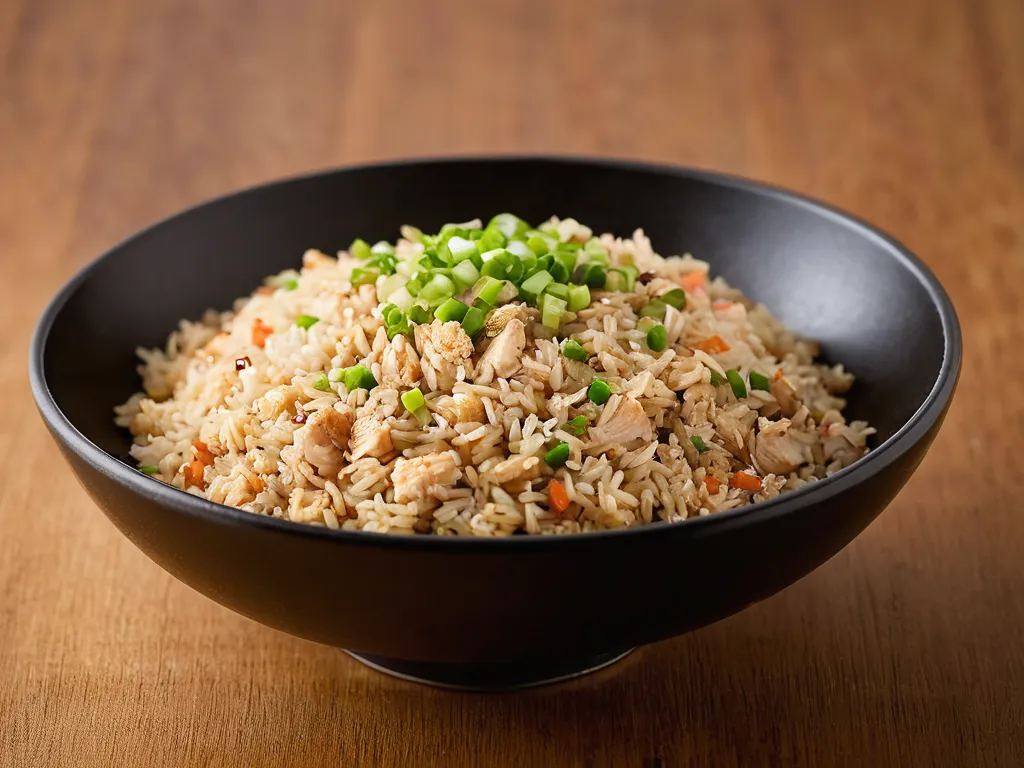
The chicken-forward version of the fried rice with diced chicken thigh built in alongside the egg and vegetables. Follows the same butter-garlic-day-old-rice technique as the main fried rice guide, with the chicken seared in the same pan first so it contributes browned bits to the rice.
Cooking Order and Timeline
For a smooth hibachi night at home, work in this sequence:
Day before:
- Cook the rice (plain, unseasoned, any amount). Spread in a thin layer on a sheet pan and refrigerate uncovered overnight. The exposed surface dries, and the starch retrogrades into individual fry-ready grains.
1–2 hours before:
- Make the yum yum sauce. Cover and refrigerate.
- Make the ginger salad dressing. Cover and refrigerate.
- Start the onion soup: combine broth, beef consomme, and aromatics; simmer 20 minutes; strain; add mushrooms. Leave on very low heat — it holds without issue.
- Prep all proteins: cut steak into cubes, pat shrimp dry, slice chicken.
- Prep vegetables: thick half-moon zucchini, mushroom halves, onion wedges.
- Take the rice out of the fridge 15 minutes before cooking to take off the chill.
At the table:
- Serve the salad with ginger dressing and ladle the onion soup (add fried onion rings at the last second) while you cook the main courses.
- Bring cast iron to full heat. Cook vegetables (5 min). Remove, cover loosely.
- Cook fried rice (15–20 min). Remove, cover loosely.
- Cook proteins in order: shrimp first (8 min), then chicken or steak (10 min).
- Bring everything out at once with the dipping sauces.
The whole active cook after the salad and soup is 30–35 minutes.
The Technique Details That Actually Matter
Heat. Benihana’s teppan grill runs at roughly 700°F. Your home cast iron preheated for 5 minutes over the highest burner gets to approximately 500–600°F — close enough for the same reactions. The smoke you see when the oil hits the pan is the signal that you’re in the right range. Anything below this temperature produces steamed, not seared, food.
Butter, not oil. Garlic butter is the throughline of every Benihana dish — the fried rice, the proteins, the vegetables all start with butter in the pan. Oil cannot replicate this. Butter’s milk solids brown when they hit hot metal, adding a nutty, caramel depth that saturates the rice and coats the proteins. Use 2–3 tablespoons per dish; Benihana’s chefs use more than most home cooks are comfortable with.
Don’t crowd the pan. Proteins need empty space around each piece for the heat to drive off surface moisture before the piece sears. Pack the pan and you get steamed, grey protein instead of a golden sear. Cook in batches if your pan is too small, or use the largest surface you have.
Sear whole, then dice. Benihana chefs sear the chicken breast whole on the flat top, then chop it into pieces on the surface. This technique maximizes crust-to-interior ratio and keeps the inside moist while the outside gets color. Home cooks who pre-cut proteins into small pieces before cooking are working against themselves — cut after searing.
Day-old rice is not optional. Fresh cooked rice has too much surface moisture. It will clump and steam rather than fry. If you don’t have day-old rice, the fastest workaround is to spread fresh cooked rice on a sheet pan and microwave in 30-second bursts until the surface looks matte and dry, then cool completely before using. Acceptable in a pinch; plan ahead if possible.
Cost Comparison
| Dish | At Benihana (per person) | At Home (for 4 people) |
|---|---|---|
| Hibachi Chicken Dinner | ~$26 | ~$18 total (chicken, rice, veg, eggs) |
| Hibachi Steak Dinner | ~$32 | ~$28 total (sirloin) |
| Garlic Butter Shrimp | ~$30 | ~$22 total (jumbo shrimp) |
| Combo (Steak + Chicken) | ~$42 | ~$38 total |
| Yum Yum Sauce | included | ~$1 per batch |
| Ginger Salad Dressing | included | ~$1.50 per batch |
| Full dinner for 4 | $160–240 + tip | $60–80 total |
The savings come almost entirely from the fact that Benihana’s pricing bundles soup, salad, shrimp appetizer, steamed rice, vegetables, and protein into a single entrée ticket. At home, those components are individually cheap; combined, the savings per dinner are $80–160 for a table of 4.
The one thing you cannot replicate at home: the theatrical tableside preparation, the onion volcano, and the chef’s knife tricks. Everything else — the flavor, the texture, the sauce combinations — is fully reproducible.