The easiest way to ruin a vegetarian dinner is to design it around absence — no meat, so now what? The viral TikTok vegetarian dinners that actually work are built differently: they’re built around a specific ingredient (lentils, chickpeas, eggs, a block of cheese) that does the structural work the protein would have done. The sauce doesn’t know you removed the chicken.
TL;DR: The best viral TikTok vegetarian dinners are organized below by category — pasta, legume dinners, bowls, soups, and egg-based dishes. Each link goes to the full recipe with technique notes and verified quantities. Start with marry me lentils, smashed lentil tacos, or shakshuka; all three are fast enough for a weeknight and filling enough to count as dinner.
The 9 Best Viral TikTok Vegetarian Dinners at a Glance
| Recipe | Category | Why it works |
|---|---|---|
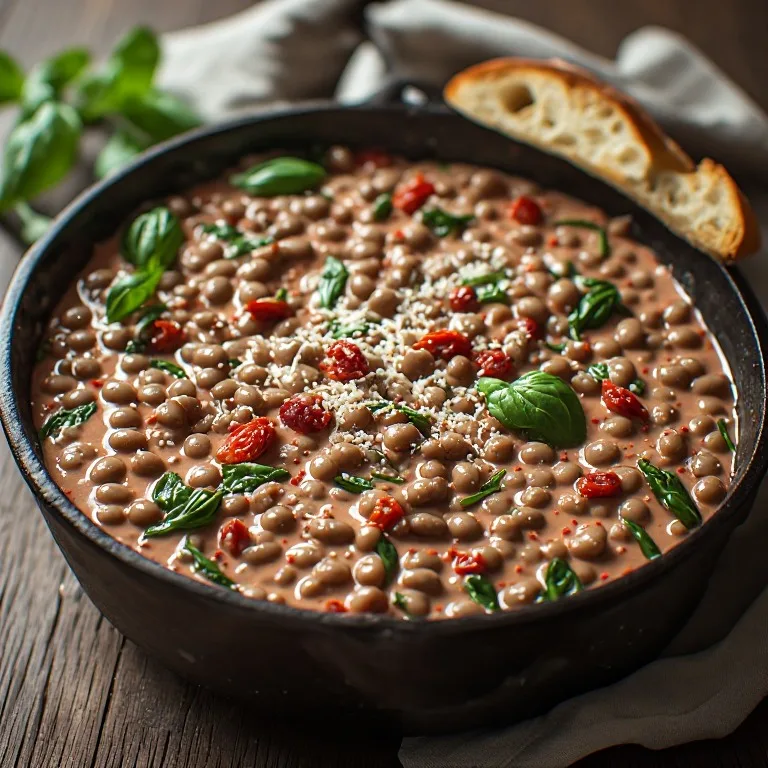
| Marry Me Lentils | Legumes | The same creamy sun-dried tomato sauce as marry me chicken; converts skeptics regularly |
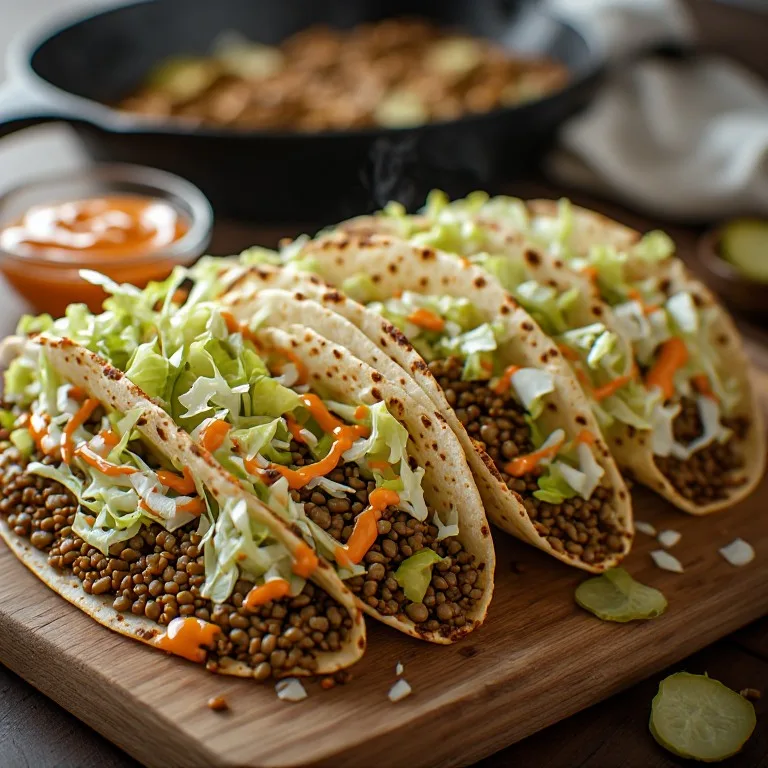
| Smashed Lentil Tacos | Legumes | Chipotle char gives them real texture — not soft taco-filler texture |
| Baked Feta Pasta | Pasta | The recipe that started the baked-cheese-in-pasta genre; still the best version |
| Shakshuka | Eggs | One pan, 20 minutes, 3–4 eggs poached in spiced tomato sauce |
| Chickpeas alla Vodka | Legumes | The vodka sauce with no modifications; chickpeas replace sausage without faking it |
| Pumpkin Brie Pasta | Pasta | Blended pumpkin + melted brie — richer and more complex than plain pumpkin sauce |
| Harvest Bowl | Bowl | Sweetgreen copycat; roasted sweet potato and Brussels sprouts over wild rice |
| Tuscan White Bean Soup | Soup | The parmesan rind makes a complex broth out of a 5-ingredient dish |
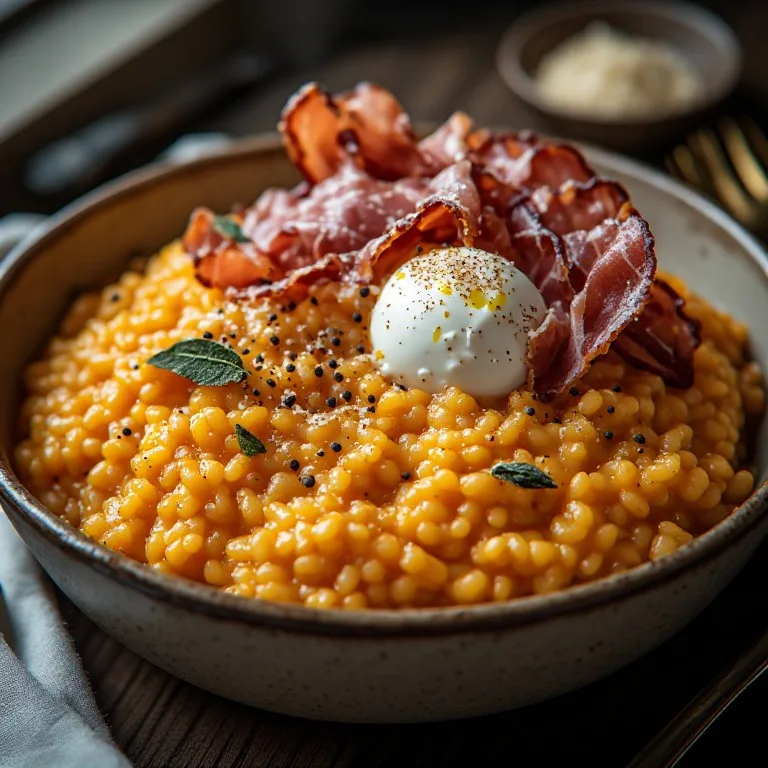
| Pumpkin Risotto | Risotto | The fall vegetarian main course that actually impresses at a dinner party |
Pasta and Noodles
TikTok’s pasta era coincided with one discovery: you can bake or blend a soft cheese directly into a sauce, and it produces something far better than boxed pasta sauce. These are the vegetarian pasta recipes that established that principle and the ones that followed:
Baked Feta Pasta — the recipe that started everything. A full block of feta cheese surrounded by cherry tomatoes in a baking dish, roasted in olive oil at 400°F for 35 minutes. You mash the feta and tomatoes together into a creamy, tangy sauce and toss it with rigatoni. This went viral in 2021 and has been reproduced so many times that it’s now just “a pasta dish people make.” The block of feta is essential — pre-crumbled feta doesn’t melt the same way.
Baked Feta Butternut Squash Pasta — the fall version: butternut squash cubed and roasted alongside the feta, adding sweetness and body to the sauce. A bridge between the original and the pumpkin pasta family.
Pumpkin Pasta — canned pumpkin puree cooked with butter, sage, garlic, parmesan, and pasta water into a sauce. The starchy pasta water is the technique: it emulsifies the pumpkin into a smooth, clingy sauce instead of a thick paste. Under 30 minutes.
Pumpkin Brie Pasta — the elevated version: cubed brie melted into the pumpkin sauce, adding fat and creaminess. Better than the plain pumpkin pasta because the brie brings a mild, buttery richness the pumpkin alone doesn’t have. Serve with extra cracked black pepper.
Green Goddess Pasta — the blended herb sauce from the green goddess salad applied to pasta: fresh basil, parsley, chives, lemon, and a fat base (cream cheese or tahini) blended and tossed with pasta. Bright, herby, and tastes expensive for a weeknight.
Creamy Mushroom Pasta — mushrooms sautéed until deeply browned, deglazed with white wine, finished with cream and parmesan. The deglazing step is what separates this from a mediocre mushroom pasta: the wine picks up the fond from the pan and becomes part of the sauce.
Tuscan White Bean Pasta — cannellini beans, sun-dried tomatoes, garlic, and kale in a light cream sauce. The beans break down slightly and thicken the sauce. Hearty enough that it’s dinner, not a side.
Butternut Squash Mac and Cheese — roasted butternut squash blended with pasta water, butter, and parmesan into a cheese sauce. The squash replaces some of the cheese (not all of it — it still has real cheese). Better than it sounds: the squash sweetness balances the sharpness of aged cheddar.
French Onion Soup Pasta — caramelized onions deglazed with broth and a splash of white wine, then tossed with pasta and gruyère. The caramelization takes 25–30 minutes and cannot be rushed; the pasta is 10 minutes. This is the dish for when you want a vegetarian pasta that tastes like it took more effort than it did.
Gochujang Butter Noodles — gochujang paste thinned with soy sauce and tossed with noodles and butter until glossy. Spicy, umami-forward, and done in 15 minutes. The ratio matters: too much gochujang and it’s just hot, too little and it’s just salty. Start with 1 tablespoon per serving.
Pasta e Fagioli Hack — the TikTok shortcut: canned white beans, canned tomatoes, ditalini pasta, and parmesan rind, cooked together in one pot. The pasta starch thickens the broth from the inside. About 18g protein per bowl from the beans alone.
Legume-Based Dinners
Legumes — lentils, chickpeas, white beans, butter beans — are the structural backbone of the best TikTok vegetarian dinners. They absorb sauces, build texture, and deliver 15–25g protein per cup cooked. These are the recipes where the legume is the star, not a backup ingredient:
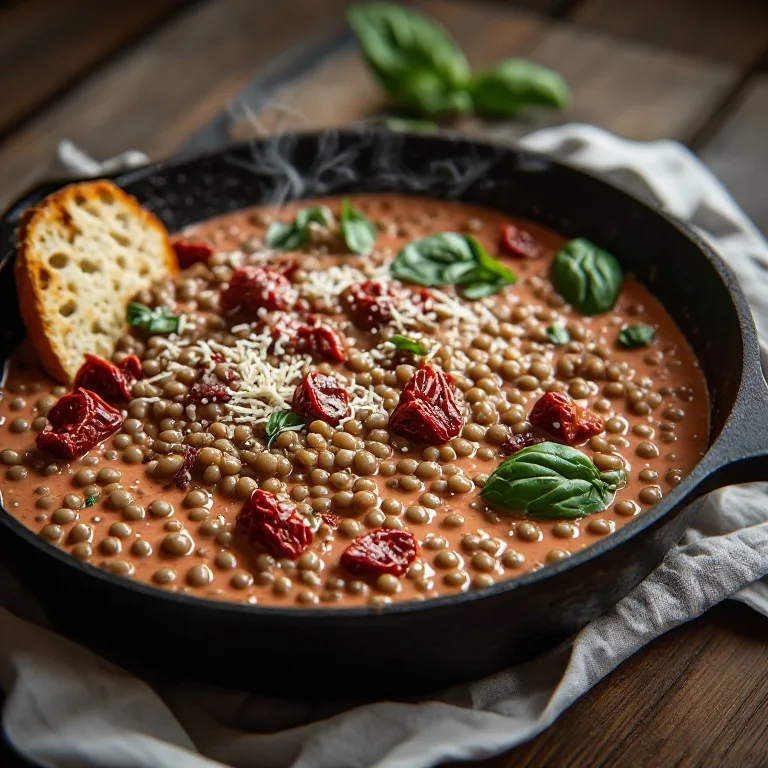
Marry Me Lentils — the marry me chicken format (sun-dried tomatoes, cream, garlic, red pepper, parmesan) applied to green or brown lentils. The sauce is identical; the lentils absorb it and become silky and rich. About 25g protein per serving from the lentils. This is the one vegetarian dinner that consistently converts people who say they don’t like vegetarian food.
Smashed Lentil Tacos — lentils cooked until tender, then smashed against a hot dry pan with chipotle and cumin until they get some char. The smashing creates a dense, slightly crispy filling that holds together in a taco the way whole lentils don’t. Serve in charred corn tortillas with pickled onion and avocado.
Marry Me Butter Beans — the same marry me sauce format with large, creamy butter beans (also called gigante beans or corona beans). The beans stay whole and pillowy; the sauce clings to them. Serve over crusty bread for an Italian-inspired dinner.
Lentil Bolognese — a slow-simmered red sauce built with finely diced vegetables (onion, carrot, celery) and green or French lentils instead of beef. The lentils need 30–40 minutes to break down and thicken the sauce. This isn’t a quick weeknight dinner; it’s a Sunday sauce that’s better the next day. Serve over tagliatelle or pappardelle — a pasta wide enough to carry the sauce.
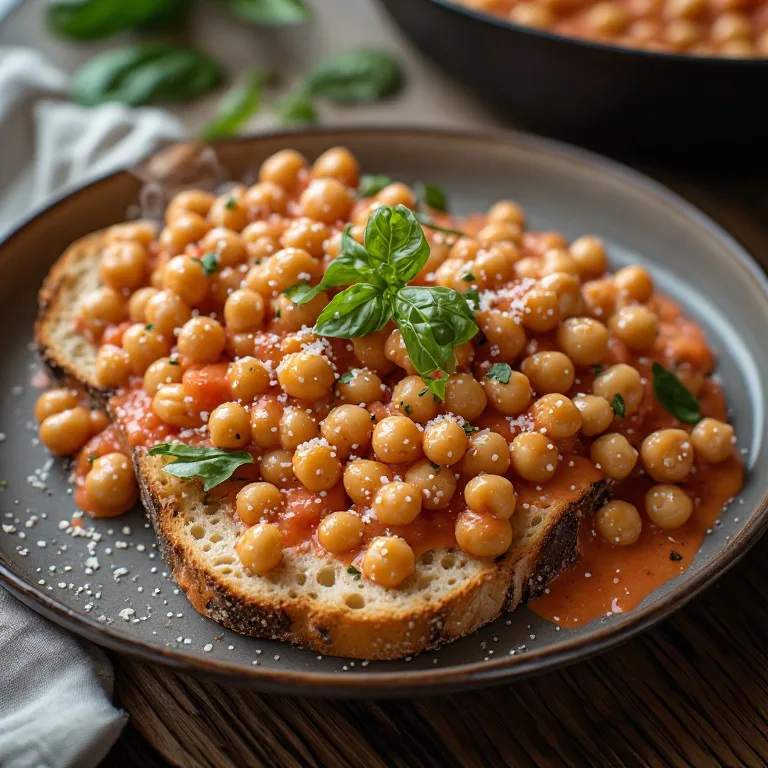
Chickpeas alla Vodka — the vodka sauce (crushed tomatoes, cream, vodka, onion, garlic, red pepper) with canned chickpeas instead of sausage or pasta. The vodka sauce makes chickpeas taste expensive. No modification to the sauce is needed; the chickpeas absorb it the way the protein would have.
Brothy White Beans — cannellini beans cooked in olive oil, garlic, rosemary, and broth until the beans are creamy and the broth is slightly thickened. A minimalist dish: four ingredients, thirty minutes. Better with good olive oil (use the best one you have — it’s the flavor base). Serve with bread to soak up the broth; this is a complete dinner, not a side.
Marry Me Orzo — the marry me sauce format with orzo pasta (it cooks directly in the sauce, absorbing the broth as it goes). Add spinach in the last 2 minutes. No draining required; the orzo starch thickens the sauce from the inside.
Tuscan White Bean Soup — cannellini beans, kale, garlic, and a parmesan rind simmered in broth. The parmesan rind is the technique: it dissolves slowly over 30–40 minutes and creates a savory, complex broth that plain bean soup doesn’t produce. Don’t skip it.
Bowls
The bowl format — grain base, roasted vegetable, protein, sauce — became dominant on TikTok because it actually works. The components are prepped separately and assembled; each part can stand alone; the whole is more filling than any individual piece:
Harvest Bowl — the Sweetgreen-style fall bowl: roasted sweet potato and Brussels sprouts over warm wild rice, with apple slices, candied pecans, goat cheese, and apple cider vinaigrette. The combination of warm roasted vegetables, cool fresh apple, sweet pecans, and creamy cheese is genuinely balanced in a way that most salads aren’t. Under 500 calories for a full-size serving.
Sweet Potato Tahini Bowl — roasted sweet potato wedges with chickpeas and kale over a grain base, with a lemon-garlic tahini dressing. The dressing is the recipe: use cold water (not warm) to thin the tahini — counterintuitively, cold water makes it creamy and light rather than thick and bitter.
Mediterranean Bowl — farro or quinoa with hummus, roasted red peppers, chickpeas, cucumber, tomato, kalamata olives, feta, and lemon-tahini dressing. No single technique required. Components work cold or warm; good for meal prep.
Crunchy Chickpea Bowl — greens, crispy roasted chickpeas (425°F with cumin and paprika), cucumber, tomato, red onion, and tahini dressing. The simplest bowl format; the roasted chickpeas do the work of a crouton and a protein at once.
Green Goddess Salad — not a dinner salad by default, but it works as one with the right protein addition. The cashew-herb dressing (blended raw cashews, fresh herbs, lemon, and nutritional yeast or parmesan) is disproportionately flavorful for what’s in it. Add chickpeas or white beans to make it a complete dinner.
Dense Bean Salad — three or four types of canned beans, chopped cucumber, red onion, and bell pepper with a lemon-herb vinaigrette. No cooking. Gets better after 24 hours in the fridge as the acid softens the beans slightly. 15–18g protein per serving from the beans alone.
Fall and Winter Soups and Risotto
Pumpkin Risotto — arborio rice cooked in broth with canned pumpkin, white wine, parmesan, and sage. Risotto requires 25 minutes of stirring; it is not difficult, it just requires presence. The result is silky, creamy, and genuinely impressive for a dinner party. The pumpkin adds subtle sweetness that the parmesan balances. Make this in October.
Turkish Red Lentil Soup — red lentils cooked with tomato paste, cumin, smoked paprika, and onion, then blended smooth. Finished with a swirl of butter and more paprika. About 280 calories per bowl, 18g protein. This is the soup that makes you understand why red lentils exist: they break down completely in 20 minutes and produce a thick, velvety soup without cream.
Tuscan White Bean Soup — covered above in legume dinners, but worth mentioning again for fall: this is the soup you serve with a good bread and a glass of red wine. It gets better on day two.
Eggs and Quick Weeknight Dinners
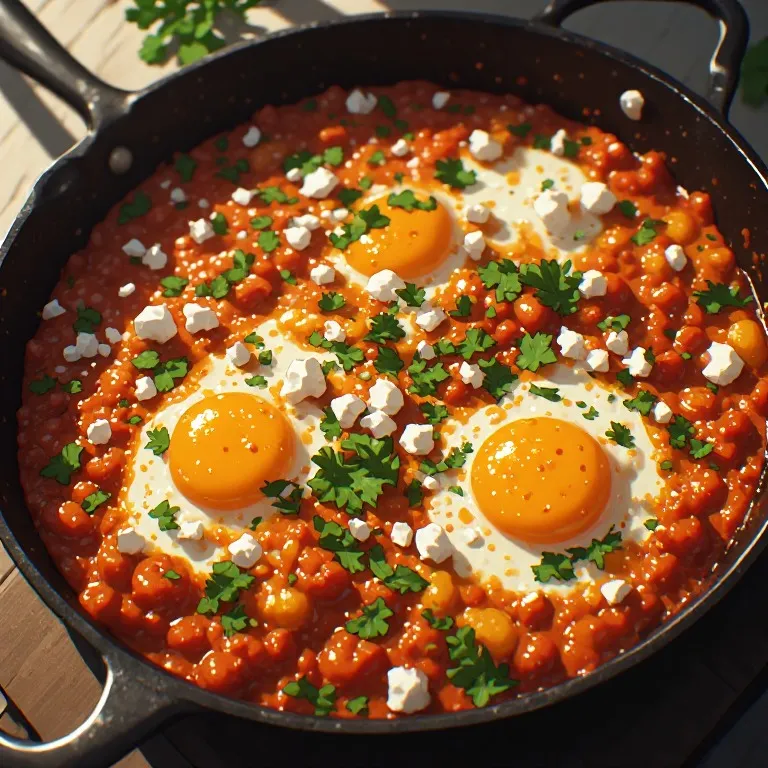
Shakshuka — the fastest legitimate dinner: canned tomatoes with onion, garlic, cumin, and paprika, simmered until thickened, with 3–4 eggs poached directly in the sauce. Cover the pan until the whites are set but the yolks are still runny. About 20 minutes from start to finish. Serve with pita or crusty bread. The spice balance matters: cumin and paprika are load-bearing; skip the cumin and it tastes flat.
Egg Fried Rice — day-old cold rice stir-fried with eggs in a very hot wok or heavy pan. The cold rice is the technique: fresh rice steams and clumps; cold rice separates and crisps. Scramble the egg separately (push the rice to the side, add the egg, scramble it, then combine). Use high heat the whole time — this is the most temperature-sensitive recipe in this list.
One-Pan Gnocchi — shelf-stable gnocchi, cherry tomatoes, and spinach roasted together on one pan at 425°F for 25 minutes. The gnocchi doesn’t need to be boiled first — it cooks directly in the oven and gets crispy edges instead of the soft-everywhere texture of boiled gnocchi. This is the fastest complete vegetarian dinner in this list.
Sheet Pan Gnocchi — the full version: gnocchi roasted with whatever seasonal vegetable is best right now (zucchini in summer, butternut squash in fall, broccoli in winter) and a sauce (marinara or pesto) added in the last 5 minutes to warm through. The sheet pan roasting is the technique that makes gnocchi genuinely interesting.
What Makes a TikTok Vegetarian Dinner Actually Work
The vegetarian TikTok dishes that keep circulating — marry me lentils, smashed lentil tacos, baked feta pasta, shakshuka — have one thing in common: they were designed for flavor first, not designed to substitute for something else.
Marry me lentils doesn’t simulate chicken. It applies the same sauce to lentils and the sauce happens to be excellent. The lentils carry it because lentils absorb sauces the same way any braise does. The dish doesn’t ask you to pretend you’re eating chicken; it asks you to eat an exceptional creamy lentil dinner.
Smashed lentil tacos don’t simulate beef. The smashing technique creates a specific texture — dense, slightly crispy, holding together in a taco — that works for its own reasons. You’d make it the same way even if beef were available.
This is the pattern worth knowing: the best vegetarian TikTok dinners win on their own terms. Pick the legume or egg that wants to be cooked this way, apply a technique that develops flavor specifically for it, and use a sauce that happens to work well with that ingredient. That’s the whole framework.
If you’re cooking vegetarian partly to eat better, many of these overlap with our roundup of viral TikTok healthy recipes that are actually good — the marry me lentils, smashed lentil tacos, dense bean salad, and the grain bowls all appear on both lists for the same reason: they’re built around protein and fiber, not around what’s missing.